Frame damage is one of the easiest problems to miss and one of the most expensive to ignore. A car can look mostly fine after a crash, a curb strike, or a hard pothole hit while the structure underneath has shifted, bent, or rusted through. That structure is what keeps the vehicle tracking straight, protects you in the next accident, and holds the car's value at resale.
This guide covers how to spot frame damage, what causes it, the difference between impact damage and the rust we fight every winter here in Nebraska, and what repair, insurance, and resale look like once damage shows up. Some signs are visible from the outside. Others show up as pulling, vibration, uneven tire wear, or doors that stop closing right.
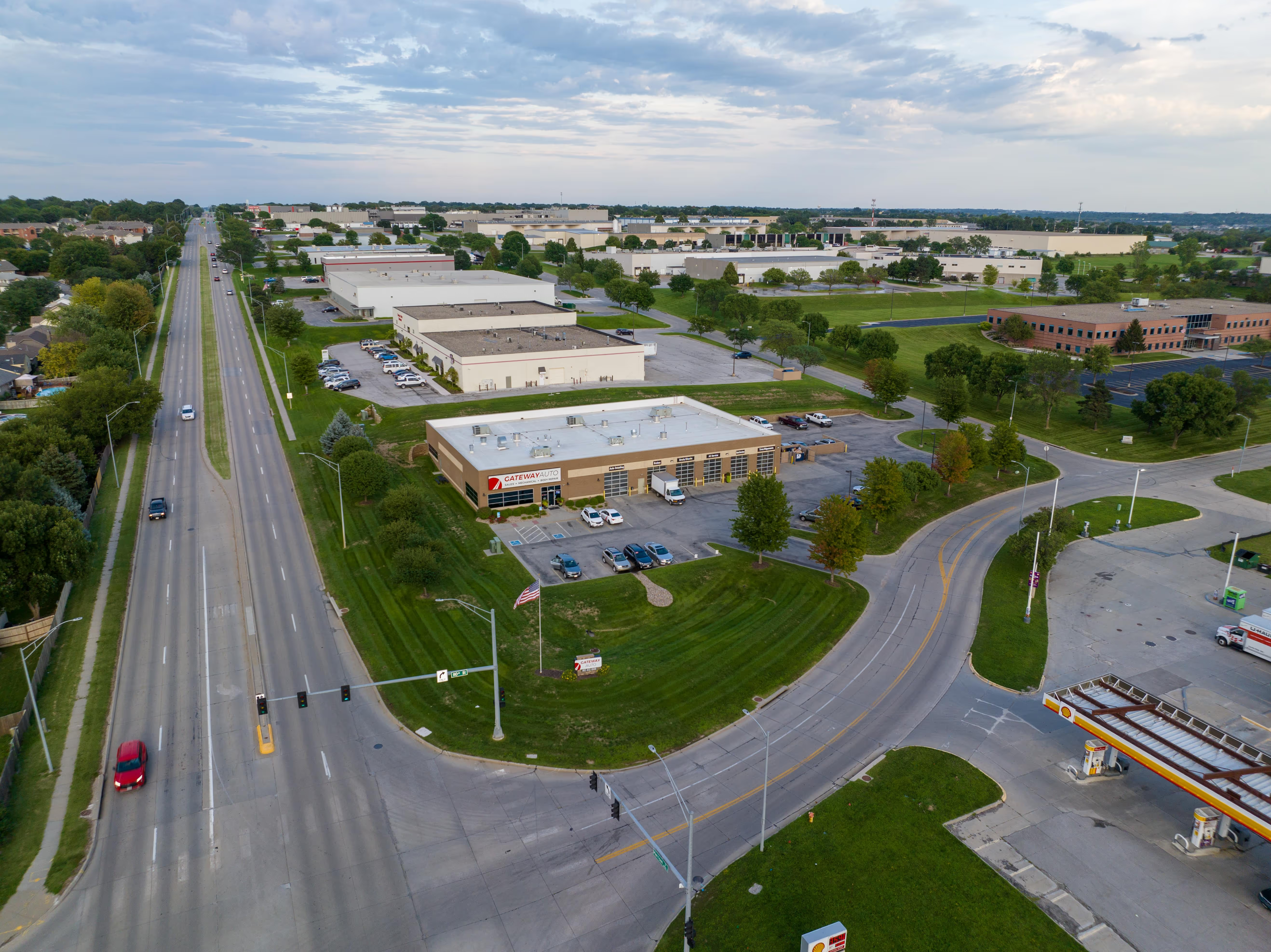
Gateway Auto helps Omaha drivers get clear answers after accidents and suspected structural damage. Our collision and auto body team inspects the frame, finds the visible and hidden concerns, explains your repair options, and handles insurance documentation when a claim is involved.
Why Frame Damage Matters
The frame is the structural foundation of the vehicle. Older trucks and some larger vehicles use a separate ladder-style frame. Most modern cars and SUVs build the body and frame together in a unibody design. Either way, the structure supports the vehicle, keeps the panels lined up, holds the major components in place, and does a lot of the work in a crash.
Frames are engineered to manage energy during a collision. Certain areas are built to bend, crush, or absorb force so the passenger area stays protected. If the structure has already been bent or weakened, the car may not respond the same way the next time it gets hit.
Damage also affects normal driving. A bent or twisted frame can throw off alignment, pull the car to one side, create vibration, or make the steering feel unstable. The body may stop sitting square, which leads to uneven gaps, water leaks, wind noise, tire wear, and doors or windows that fight you.
Then there is resale. Buyers, dealers, and insurance companies look hard at accident history. When frame repair is done correctly and documented well, it is far easier to show the vehicle was handled the right way. The takeaway is simple: if you suspect a structural issue, get it checked by a qualified auto body tech before you assume the car is fine.
Common Causes of Frame Damage
A major crash is the obvious one, but a vehicle does not need to be totaled to have frame damage. Low-speed impacts, hidden underbody hits, and repeated stress all add up.
A rear-end hit can bend the rear rails, trunk floor, bumper reinforcement, or mounting areas. A front-end collision can affect the radiator support, frame rails, aprons, bumper structure, or suspension mounting points. A side impact can damage rocker panels, door pillars, floor sections, or unibody reinforcements.
Road conditions matter too. Omaha drivers deal with potholes, winter ruts, curbs, and road debris. A hard hit to a curb or a deep pothole can damage suspension parts and shift or stress the structure nearby.
Used cars deserve extra attention. A seller can fix visible dents and paint without fully addressing hidden structural damage. Fresh paint, new undercoating, or uneven panel gaps can point to past collision work worth a closer look.
- Front, rear, or side collision damage
- Parking lot impacts and low-speed crashes
- Curb strikes and pothole impacts
- Towing or lifting done wrong
- Previous repairs completed without proper measuring
- Rust, corrosion, and long-term moisture exposure
- Off-road or underbody hits
- Hail, falling objects, or severe weather that affects panels and structure
Not every dent means the frame is bent. But if the impact was strong enough to shift panels, change how the car drives, or affect the doors, hood, trunk, wheels, or suspension, a frame inspection is the smart next step.
Types of Frame and Chassis Damage
Impact damage to the chassis usually falls into three buckets. Knowing which one you are dealing with helps you understand whether it is a straightforward pull-and-measure job or a bigger structural repair.

Corner or sway damage
This happens when a corner of the vehicle takes an impact and the frame shifts out of line. You may notice the car pulling to one side, an off-center cabin, vibration, or unusual noises. Caught early, a collision center can use frame-pulling equipment to bring the structure back to spec before it causes more wear.
Mash damage
Mash damage usually comes from a front or rear collision that crushes the frame inward. Modern frames are designed to fold on impact and soak up energy to protect the people inside. Repairing it often means cutting out and replacing sections of the frame, which makes it a more involved and costly fix in severe cases.
Twisted or sagging damage
Twisting builds up over time from stress or minor accidents. Sagging tends to come from long-term wear or earlier repairs that were not measured correctly. This type is harder to catch without a professional inspection. The tells are visible gaps between body panels and a stance that looks uneven from the side.
Frame Rust and the Nebraska Salt Problem
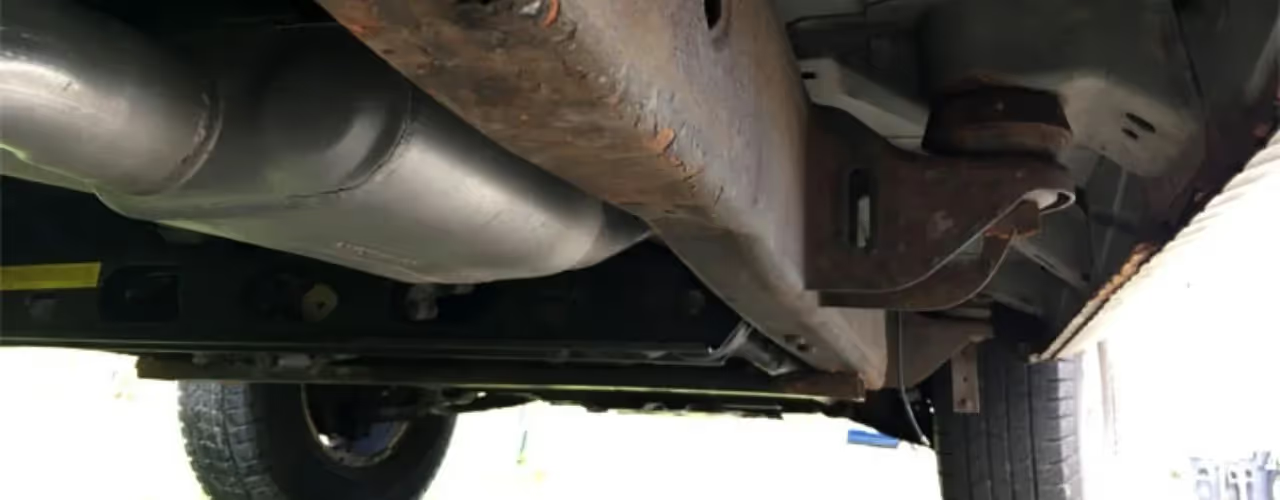
Not all frame damage comes from a crash. One of the most destructive and expensive types around here is rust. You will hear it called frame rot, a rusted undercarriage, or car cancer, and it is a real problem for vehicles that live through Midwest winters.

Omaha and the surrounding area get harsh winters with heavy road salt and brine. Those de-icing agents speed up corrosion and eat at the chassis faster than most people expect, especially on the undercarriage where you never look.
A few habits slow it down:
- Undercoating: a protective undercoating shields the underbody from salt and moisture. Gateway Auto's collision center can apply it.
- Frequent washes: rinsing the undercarriage after snow and salt exposure keeps buildup from sitting on the metal.
- Routine inspections: have a tech check the frame periodically so rust gets caught while it is still surface-level.
You can do a quick check yourself. Get under the vehicle when it is safe and look at the frame rails (or the rockers and pinch welds on a unibody), the front and rear sections, and the wheel wells. Surface rust is minor corrosion you can treat. Frame rot is the serious version that eats into structural metal. A simple test: scrape a rusted area with a screwdriver. If large flakes break off or the tool punches through, that is a structural problem, not a cosmetic one.
Rust does not stay where you can see it. It spreads into critical areas, weakens suspension mounts, and in bad cases compromises the structure enough to make the vehicle unsafe. Minor rust can often be cut out and replaced with welded steel. Severe rot may not be worth repairing once it reaches a large section of the frame. Gateway Auto's collision center offers free rust repair assessments so you know where you actually stand before spending money.
How to Spot Frame Damage: Visual Inspection
You do not need to be a technician to notice that something looks bent or out of place. The goal of a visual check is not to diagnose the full repair. It is to know when the vehicle needs a professional look.
Start with the body lines. Check the gaps between the hood and fenders, the doors and quarter panels, the trunk and rear body, and the bumper and the panels around it. If one side has a tight gap and the other side is wide, the structure or its mounting points may have moved.
Then work the doors, hood, trunk, and windows. They should open and close smoothly without rubbing, sticking, popping, or needing extra muscle. Windows that bind or whistle can point to body alignment problems. Underneath, look for fresh paint, new undercoating, odd welds, rust around repaired areas, or frame rails that do not look straight. Tires are another clue: if they wear unevenly soon after an alignment, the issue may be more than the tires.
Quick reference for what to look at and why:
- Body panels: uneven gaps, crooked panels, or poor fit can show body or structural movement.
- Doors and trunk: hard closing, rubbing, popping, or leaks can mean a shifted frame or unibody.
- Undercarriage: kinks, bends, odd welds, or fresh undercoating can suggest hidden repair or damage.
- Tires: uneven wear, a tilted stance, or alignments that will not hold can signal suspension or frame movement.
- Steering: pulling, vibration, or an off-center wheel can point to alignment or structural issues.
- Windows: binding, wind noise, or uneven fit can show a distorted body opening.
Take photos of anything that looks off. They help when you talk to a repair shop, an insurance company, or a seller.
Driving Symptoms of a Twisted Frame
Some frame problems are easier to feel than to see. A twisted frame changes how the car tracks, turns, stops, and handles bumps. If the vehicle feels different after an accident, do not write it off.
Pulling is common. If the car drifts left or right after you have corrected tire pressure, the alignment is off. If alignment will not hold or the pull comes right back, there may be structural damage affecting suspension geometry. Vibration can come from a bent wheel or a worn suspension part, but it can also come from structural movement keeping components from sitting right. New clunks, pops, creaks, or scraping after a collision can mean parts are shifting under load.
What does frame damage feel like? Usually like the car is not tracking straight, the steering wheel sits off-center, the ride feels unstable, or the vehicle pulls on a flat road. Watch for these:
- The steering wheel sits crooked when you are driving straight.
- The vehicle pulls to one side on level roads.
- The car feels unstable through turns or braking.
- Tires squeal, rub, or wear unevenly.
- New clunking, popping, or creaking shows up after a crash.
- The vehicle sits lower on one corner.
- Alignment problems come back soon after service.
If the car feels unsafe, stay off the highway and get it inspected. If there are warning lights, leaking fluids, airbag deployment, or severe pulling, towing is safer than driving it.
Buying a Used Car: How to Check for Frame Issues
Frame damage matters most when you are buying, because a clean exterior does not mean a clean structure. Paint, trim, and panels can be repaired while hidden damage stays.
Start with a slow walkaround and compare the left and right sides. Look at headlight fit, bumper alignment, door gaps, rocker panels, wheel position, and trunk spacing. If one wheel looks pushed forward or back compared to the other side, that is a warning sign. Check the paint for mismatched color, overspray, paint lines, or panels that look newer than the rest. That does not automatically mean the car is unsafe, but the repair history is worth reviewing.
Look underneath if it is safe to do so. Watch for fresh undercoating, wrinkled metal, uneven seams, bent brackets, or frame rails that look wavy. On a unibody, check the rocker panels, pinch welds, strut towers, and trunk floor for signs of repair or crumpling. Ask for documentation. If the history report shows an accident, have the car inspected by an auto body pro before you buy. A DIY check helps you decide whether to keep looking, but it does not replace a professional inspection, and Gateway Auto can handle that for Omaha-area buyers before they commit.
Frame Repair, Insurance, and Vehicle Value
Can a damaged frame be fixed? In a lot of cases, yes. It depends on the type of damage, the location, the material, the severity, the vehicle's value, and whether proper repair procedures exist. Some jobs involve measuring and straightening. Others need part replacement, welding, or sectioning along with body repair. The plan should be based on accurate measurement, not a guess. Auto body techs use specialized equipment to compare the structure against manufacturer specs and decide whether a repair is safe and worth the cost.
Insurance usually comes into play when the damage is from an accident. The insurer reviews the estimate, repair cost, vehicle value, and your policy before approving repairs. If the repair costs too much next to the vehicle's value, the car may be called a total loss. You will hear people mention a 3,000 dollar rule, but there is no single number that applies to every vehicle. Three thousand in repairs can be reasonable on a newer car and too much on an older one. The real call comes from weighing repair cost, safety, resale value, and coverage together.
Frame damage can lower value even after a clean repair, so documentation helps. Keep estimates, photos, repair invoices, alignment reports, and any warranty details. Done right and documented well, those records show a future buyer exactly what was repaired and who did it. Gateway Auto works with all insurance companies and writes clear estimates using manufacturer-based repair information, so you understand what was found and what the repair involves.
Schedule a Professional Frame Inspection in Omaha
A professional inspection is the only way to confirm frame damage for sure. Visual clues and driving symptoms point you in the right direction, but they do not show the full picture. A trained tech can measure the structure, check the related parts, and find hidden damage behind bumpers, panels, trim, and underbody covers.
Gateway Auto handles collision repair, auto body repair, frame inspections, free body repair estimates, paint work, mechanical service, and insurance coordination for Omaha, La Vista, Millard, Papillion, and the nearby communities. Whether you were just in a crash, think an older repair was done wrong, or want peace of mind before buying a used car, our team can check it. Body labor is backed by a lifetime warranty for as long as you own the vehicle.
Do not wait if the car pulls, vibrates, has uneven gaps, shows visible damage, or just feels different after an accident.
.avif)