Cooling Fan Repair Shop Guide: Costs, Services, and Reviews
Why Your Cooling Fan Deserves Immediate Attention
If you're looking for a cooling fan repair shop, here's what to know upfront:
What to look for in a cooling fan repair shop:
- ASE-certified technicians
- Warranty on parts and labor (look for at least 12 months or 12,000 miles)
- Transparent, upfront pricing
- Experience diagnosing both electric and mechanical fan systems
- Honest repair vs. replacement guidance
Common signs you need cooling fan service:
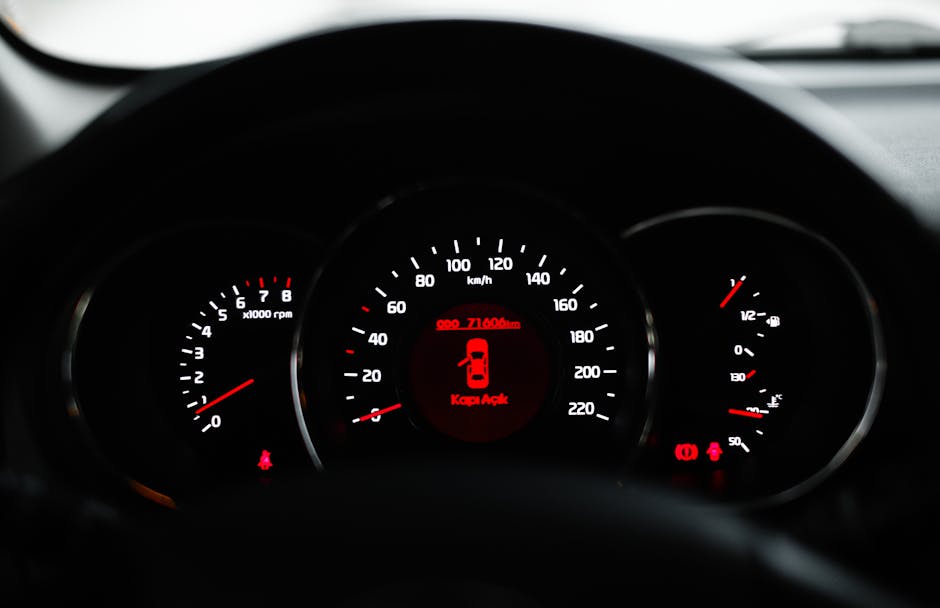
- Engine temperature gauge rising, especially at idle or in traffic
- Check engine light on
- Fan not engaging when the engine is hot
- Unusual grinding or whirring noise from the engine bay
- Poor A/C performance
A failing cooling fan is one of those problems that can go from minor to catastrophic quickly. When your fan stops working, your engine loses its main defense against overheating — and overheating can warp cylinder heads, damage pistons, and in the worst cases, seize the engine entirely. We've seen it happen, and the repair bill is never a small one.
The good news is that catching a cooling fan problem early usually means a straightforward, affordable fix. Knowing what to look for — and where to take your vehicle — makes all the difference.
I'm Ben Toscano, co-founder of Gateway Auto, a family-owned shop serving the Omaha area for over 20 years, and our ASE-certified team handles cooling fan repair and diagnostics on a regular basis. Finding a cooling fan repair shop you can actually trust starts with knowing the right questions to ask — and that's exactly what this guide covers.
Finding a Reliable Cooling Fan Repair Shop
When your temperature gauge starts climbing while you’re sitting in traffic on Dodge Street, you need a solution that addresses the root cause. Reliable cooling fan repair shop services should offer more than just a part swap; diagnostic accuracy is essential.
Modern cooling systems are complex. The fan isn't just a blade on a motor anymore; it’s a component controlled by the Engine Control Module (ECM) based on data from various sensors. Jumping straight to a fan replacement without testing the relays or the coolant temperature sensor can lead to unnecessary costs.
At Gateway Auto, we prioritize Auto Repair built on trust. We look for ASE certification in our technicians because it ensures they understand the electrical side of the cooling system. We also believe in warranty transparency. A solid warranty—like the 12-month/12,000-mile or better industry standard—is a hallmark of professional service. Neighborhood trust is earned over decades, not days, which is why we’ve focused on serving the Omaha and La Vista communities for over 20 years.
Warning Signs That Require a Cooling Fan Repair Shop
Your car usually tries to tell you when the fan is failing before the engine starts smoking. One of the most common "hidden" signs is why is my car's air conditioning blowing warm air?. Because the A/C condenser sits right in front of the radiator, it relies on that fan to pull air through and cool the refrigerant. If the fan fails, your A/C might blow cold while you're driving at highway speeds but turn lukewarm the moment you stop at a red light.
Other signs include:
- The Temperature Gauge Creep: If the needle stays in the middle while driving but starts moving toward "Hot" when you're idling, the fan likely isn't pulling enough air through the radiator.
- Loud Grinding or Whirring: This often indicates the bearings in the fan motor are failing or the fan blade is off-balance.
- The Check Engine Light: Modern cars monitor fan speed and electrical resistance. If the ECM detects the fan isn't spinning at the commanded speed, it will trigger a code.
Services Offered at a Professional Cooling Fan Repair Shop
A comprehensive Cooling System Service & Repair involves much more than just looking at the fan. A professional service should include a range of specific diagnostics to pin down the issue:
- Electrical Diagnostics: Testing the fan motor, fuses, and relays to ensure power is actually reaching the unit.
- Sensor Calibration and Testing: Ensuring the coolant temperature sensor is sending the correct signal to the computer to turn the fan on.
- Motor Replacement: Swapping out a burnt-out electric motor with a high-quality OEM or equivalent aftermarket part.
- Blade Balancing and Inspection: Checking for cracks in the plastic blades or debris that might be causing an imbalance.
Repair vs. Replacement: Making the Best Decision
We often get asked if a fan can be repaired or if it must be replaced entirely. The answer depends on what part failed. In some specialized cases, such as the Cooling Fan Replacement vs Repair discussions found in enthusiast forums, owners have successfully cleaned motor brushes to extend the life of an expensive unit.
However, for most modern daily drivers, replacing the fan assembly is the more reliable route. If the internal windings of the motor are burnt or the plastic shroud is cracked, a "patch job" might only last a few weeks. When you consider the cost of Engine Repair resulting from a failed repair attempt, a full replacement often provides the best long-term value and peace of mind.
Maintaining Your Cooling System to Prevent Major Repairs
Preventative maintenance is the best way to avoid an emergency trip to a cooling fan repair shop. Most radiators are designed to last between 8 and 10 years, but their lifespan is heavily dictated by how well you maintain the fluid inside them.
We recommend a coolant flush every 30,000 miles or every 3 to 5 years, depending on your vehicle manufacturer's guidelines. Fresh coolant contains corrosion inhibitors that protect the radiator, water pump, and the seals within the system. In Omaha, our extreme temperature swings—from sub-zero winters to 90-degree humid summers—put extra stress on these plastic and metal components. Regular inspections during your oil changes can catch small leaks or fraying wires before they leave you stranded.
The Role of the Electronic Cooling Fan
The electronic cooling fan is a marvel of efficiency. Unlike old-school mechanical fans that ran off the engine's belt and wasted fuel, electronic fans only run when needed. They are controlled by the ECM, which monitors the engine's temperature and the A/C system's pressure.
The fan shroud is also a critical component often overlooked. It’s designed to funnel air through the entire surface of the radiator. If the shroud is broken or missing, the fan will only pull air through a small portion of the radiator, significantly reducing its ability to dissipate heat. Detailed guides on Cooling System and Radiator Fan Install highlight how precise these clearances need to be for maximum airflow.
Consequences of Neglecting a Faulty Fan
Neglecting a fan issue is a gamble where the stakes are your entire engine. When an engine overheats, the metal components expand beyond their design limits. This leads to:
- Warped Cylinder Heads: The head can pull away from the engine block, blowing the head gasket.
- Engine Seizure: In extreme cases, the pistons can literally weld themselves to the cylinder walls.
- Safety Hazards: An overheating engine can stall in the middle of traffic or even catch fire if the pressure causes a hose to burst and spray hot coolant onto exhaust components.
The cost of a cooling fan motor replacement typically ranges from $365 to $780. Compare that to the thousands of dollars required for a full engine replacement, and the choice becomes clear.
Why Omaha Drivers Trust Gateway Auto
At Gateway Auto, we understand that your vehicle is the foundation of your family's daily life. Whether you're commuting to work in downtown Omaha or dropping the kids off in La Vista, you need a cooling system you can rely on.
As a family-owned business for over 20 years, we’ve built our reputation on being an all-in-one shop. From ASE-certified mechanical repairs to I-CAR Gold Class collision work, we handle it all under one roof. We don't just want to fix your car today; we want to be the shop you trust for the next decade.
If you’ve noticed your temperature gauge climbing or your A/C isn't as cold as it used to be, don't wait for the steam to start rising from your hood. Schedule your Cooling System Service & Repair with us today, and let our team ensure your vehicle stays cool, no matter how hot the Nebraska summer gets.