Fleet Car Maintenance 101: Why Your Business Vehicles Need a Professional Touch
Why Fleet Car Maintenance Decides Whether Your Business Keeps Moving
Fleet car maintenance is the regular upkeep of all vehicles your business depends on — and getting it right is one of the most important things you can do to protect your operations, your drivers, and your bottom line.
Here's what effective fleet maintenance covers:
- Daily checks: Lights, tire pressure, fluid levels, fuel
- Weekly tasks: Brakes, battery, windshield wipers, transmission fluid
- Monthly service: Oil changes, filters, exhaust, suspension
- Quarterly: Tire rotation, spark plugs, wheel alignment
- Annually: Full brake service, coolant flush, emissions system, frame inspection
Skipping any of these isn't just a small oversight. A single missed oil change can cascade into thousands of dollars in engine damage — or worse, a driver stranded on the side of the road in the middle of a job.
For Omaha businesses that rely on vehicles every day, that kind of downtime isn't just inconvenient. It's costly.
I'm Ben Toscano, co-founder of Gateway Auto, and after more than 20 years helping businesses and families keep their vehicles on the road, I've seen what separates fleets that run smoothly from those that don't — and it almost always comes down to consistent, professional fleet car maintenance. In the sections ahead, we'll walk through exactly what that looks like in practice.
The Strategic Value of Proactive fleet car maintenance
In business, it’s easy to view vehicle upkeep as a "cost center"—an annoying line item that eats into your monthly profits. But after two decades in the Omaha auto repair industry, we see it differently. Professional maintenance is a strategic investment. When you move from reactive repairs (fixing things after they break) to proactive management, you aren't just spending money; you're protecting your most mobile assets.
The math for fleet car maintenance is actually quite simple. Consider the return on investment (ROI) versus the cost of inaction (COI). A proactive approach ensures your vehicles are fuel-efficient, safe, and reliable. Ignoring a small leak or a worn belt might save you an hour in the shop today, but it often leads to catastrophic failures that can sideline a vehicle for weeks.
Beyond the mechanical health of the vehicle, preventive auto maintenance directly impacts your brand’s reputation. A delivery van stranded on I-80 with your logo on the side doesn't just represent a missed deadline; it sends a message to every passing potential customer about how you manage your business.
How Regular Service Reduces Long-Term Operational Costs
We often tell our customers that a $50 oil change can save you from a $40,000 engine replacement. While that might sound like an exaggeration, for heavy-duty fleet vehicles, it is a stark reality. Engines are the heart of your fleet, and oil changes are the most basic, yet most critical, way to keep that heart beating.
Fuel typically represents about 60% of a total fleet budget. When vehicles are neglected, fuel efficiency plummets. Dirty air filters, misaligned wheels, and under-inflated tires all force the engine to work harder, burning more fuel to cover the same distance. By staying on top of factory scheduled maintenance, you ensure every gallon of gas takes your drivers as far as possible.
Furthermore, a well-documented service history preserves the resale value of your vehicles. When it comes time to cycle out your older cars or trucks, having a complete professional maintenance log allows you to command a higher price on the secondary market.
Improving Safety and Compliance Through fleet car maintenance
Safety is the non-negotiable side of fleet management. If you operate commercial vehicles, you are likely subject to strict regulations from the Federal Motor Carrier Safety Administration. These FMCSA regulations are designed to keep the public safe, and they mandate that vehicles be in top working order.
Regular maintenance helps you stay ahead of DOT requirements and annual inspections. There is no room for "corrective action" during a roadside inspection; your vehicles need to be compliant before they ever leave the lot. This includes everything from ensuring brake pads meet minimum thickness to verifying that all lights and signals function perfectly.
More importantly, proper maintenance protects your most valuable asset: your drivers. Transporting employees in vehicles with faulty wipers, worn tires, or soft brakes is a massive liability risk. A robust maintenance program reduces the likelihood of accidents caused by mechanical failure, keeping your team safe and your insurance premiums stable.
A Comprehensive fleet car maintenance Checklist
To keep a fleet running smoothly, you need a system. We recommend breaking down your maintenance into specific frequencies so nothing slips through the cracks.
Daily Walk-Arounds: Drivers should spend 5–10 minutes every morning performing a "pre-trip" inspection. This includes checking for visible leaks, testing all lights and signals, and checking tire pressure and tread depth. It’s the first line of defense against roadside breakdowns.
Weekly/Bi-Weekly Checks: At this stage, we look "under the hood." Check the engine oil level, coolant, and power steering fluid. It’s also a good time to top off screenwash and inspect the condition of the battery terminals for any signs of corrosion.
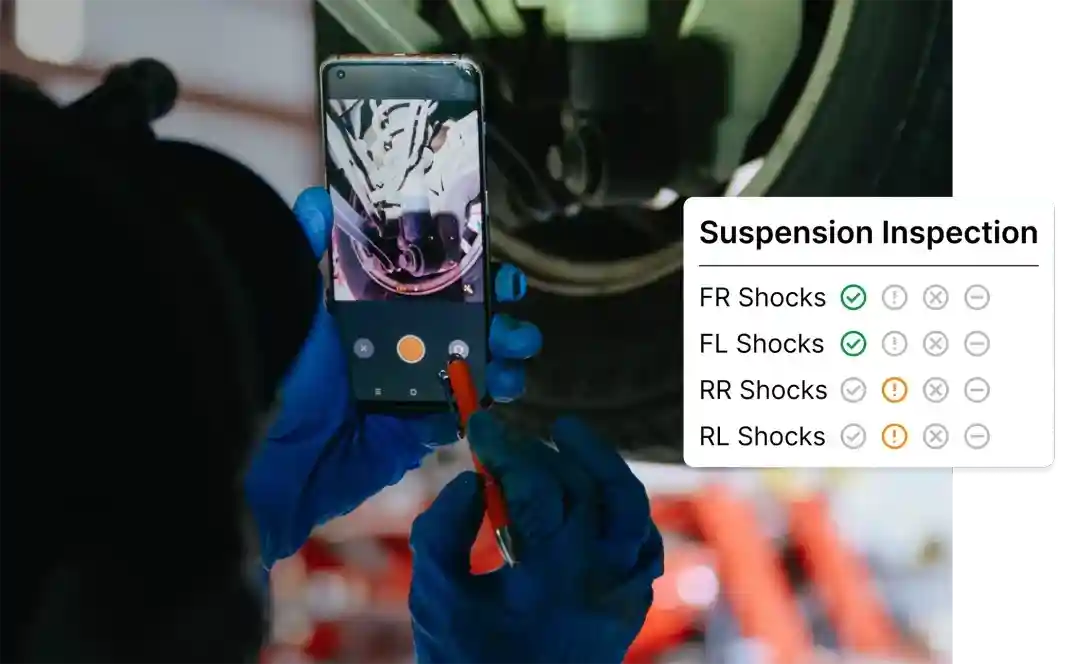
Monthly/Mileage-Based Service: Depending on how much your fleet drives, monthly or mileage-based intervals (usually every 3,000 to 5,000 miles) are when the "heavy lifting" happens. This includes oil changes, replacing air filters, and a thorough inspection of the exhaust system and suspension components. This is also when we perform a tire rotation to ensure even wear across the set.
Quarterly and Annual Inspections: Every three to six months, we recommend more in-depth services like wheel alignments, spark plug checks, and fuel injector cleaning. Once a year, every vehicle should undergo a comprehensive "top-to-bottom" review, including a full brake service and a coolant system flush to prevent internal engine corrosion.
The Role of Drivers and Technology in Vehicle Upkeep
While we handle the professional repairs, your drivers are your "eyes and ears" on the road. They are the first to notice a new vibration, a strange smell, or a dashboard warning light. Encouraging a culture where drivers feel comfortable reporting these issues immediately—rather than waiting for the next scheduled service—is vital.
Modern technology has also changed the game. Many businesses now use telematics and fleet management software to track vehicle health in real-time. These systems provide diagnostic reminders and predictive analytics, allowing us to see a problem developing before the driver even notices a change in performance.
Adhering to the Department of Transportation’s minimum requirements for daily diagnosis and reporting isn't just about following the law; it's about creating a communication loop between the driver, the fleet manager, and the mechanic.
Managing Different Vehicle Types from Trucks to EVs
Every vehicle in your fleet has unique needs. A light-duty delivery van has a different service schedule than a heavy-duty work truck or a new electric vehicle (EV).
- Heavy-Duty Trucks: These require frequent inspections of air brake systems, fifth-wheel lubrication, and heavy-duty suspension components.
- Electric Vehicles (EVs): While they don't need oil changes, EVs require specialized care for battery cooling systems, high-voltage electrical components, and specific tire maintenance due to the increased weight of the battery packs.
- Light Commercial Vehicles: These are the workhorses of Omaha, often requiring frequent brake inspections and suspension checks due to the "stop-and-go" nature of city driving.
At Gateway Auto, our fleet services are designed to handle this variety. We use specialized diagnostics to ensure that whether you're running a fleet of hybrids or diesel trucks, each vehicle receives the specific care it requires.
Partnering with Gateway Auto for Your Fleet Needs
Managing a fleet is a full-time job, and you already have a business to run. That’s where we come in. Gateway Auto is Omaha’s trusted, family-owned automotive center, and we’ve been serving the metro area for over 20 years.
We understand that for a business, "time is money." That’s why we offer an all-in-one shop experience. Whether your vehicles need ASE-certified mechanical repair or I-CAR Gold Class collision and body repair, you can get it all done under one roof. We even handle pre-purchase inspections if you're looking to add a used vehicle to your lineup.
Our fleet services are built on the same trust and transparency that has kept our average customer coming back for over a decade. We don't just fix cars; we partner with you to make the decisions that are right for your business's longevity. Plus, with a lifetime warranty on all collision work, you can rest easy knowing your fleet is in professional hands.
If you're ready to take the "chaos" out of your vehicle maintenance and move toward a streamlined, professional program, we’re here to help.
Ready to keep your business moving? Schedule your fleet service online or visit us at our Omaha or La Vista locations to discuss a customized maintenance plan for your vehicles.