A – Z Guide to Auto Body Repair
What Is Auto Body Repair — and Do You Actually Need It?
Auto body repair covers any work done to restore a vehicle's exterior, structure, or finish after damage from a collision, hail, rust, or everyday wear.
Here's a quick breakdown of what it typically includes:
- Collision repair — fixing damage from accidents, from minor fender benders to major impacts
- Dent and scratch removal — restoring panels and paint to their original condition
- Frame straightening — correcting structural damage to keep your vehicle safe and handling correctly
- Bumper repair or replacement — repairing cracks, scuffs, or broken mounts
- Paint matching and refinishing — blending new paint seamlessly with your existing finish
- ADAS calibration — recalibrating safety sensors (like lane assist and emergency braking) after repairs
- Paintless dent repair (PDR) — removing minor dents without disturbing the original paint
Over 30 million vehicles are involved in collisions every year in the United States, and the average repair runs between $4,000 and $5,000. Even smaller jobs — a parking lot ding or a winter scrape — can cost $200 to $1,500 depending on the damage. More importantly, damage that looks minor on the surface can hide structural or safety issues underneath.
Getting it fixed properly isn't just about how your car looks. It's about keeping your family safe.
I'm Ben Toscano, founder of Gateway Auto — a family-owned shop I built from the ground up in Omaha over 20 years ago on the belief that honest auto body repair and straight talk go hand in hand. In this guide, we'll walk you through everything you need to know — from understanding your damage to navigating insurance and choosing a shop you can trust.
Similar topics to auto body repair:
The Essentials of Modern Auto Body Repair
Automotive technology has changed more in the last decade than in the previous fifty years combined. While the goal of auto body repair is still to make your car look like new, the "how" behind that process has become highly technical. It’s no longer just about hammers and putty; it’s about precision engineering and digital calibration.
Common Types of Auto Body Repair Damage
Most drivers in the Omaha and La Vista area come to see us for a few specific types of damage. Understanding what you're dealing with helps you understand the repair plan.
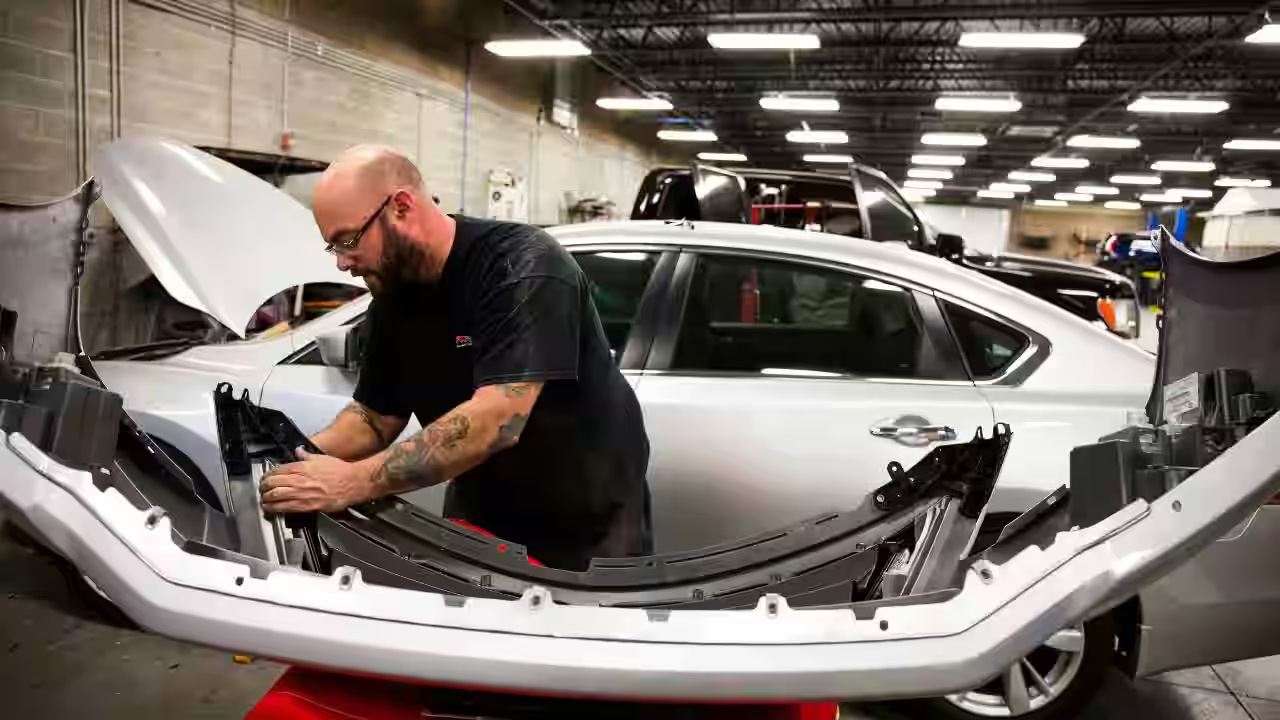
- Bumper Scuffs and Cracks: Modern bumpers are often plastic. We can sometimes use plastic welding to save a bumper, but if the internal safety tabs are broken, a full replacement is usually necessary to ensure the bumper performs correctly in a future impact.
- Fender Benders: These often involve damage to the quarter panels or hood. Even a low-speed impact can shift panels, leading to uneven gaps.
- Paint Scratches: In our Nebraska climate, road salt is a major enemy. If a scratch reaches bare metal, it becomes a "gateway" for oxidation and rust. We use Auto Body Painting techniques and computerized color matching to ensure the new finish is invisible.
- Minor Dents: Whether it’s a shopping cart mishap or a stray baseball, small dings are often candidates for our Minor Collision Repair Guide protocols.
Structural Integrity and ADAS Calibration
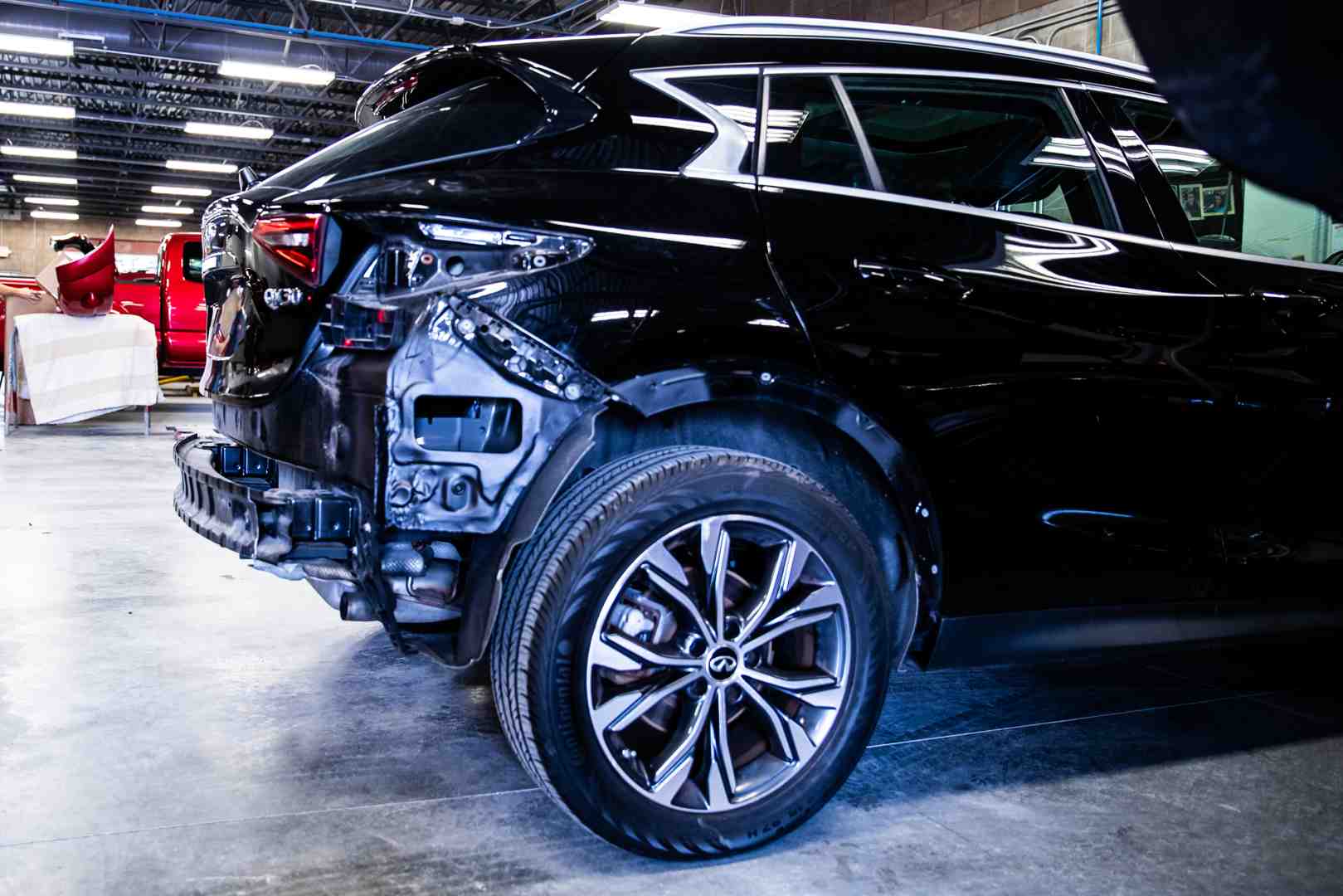
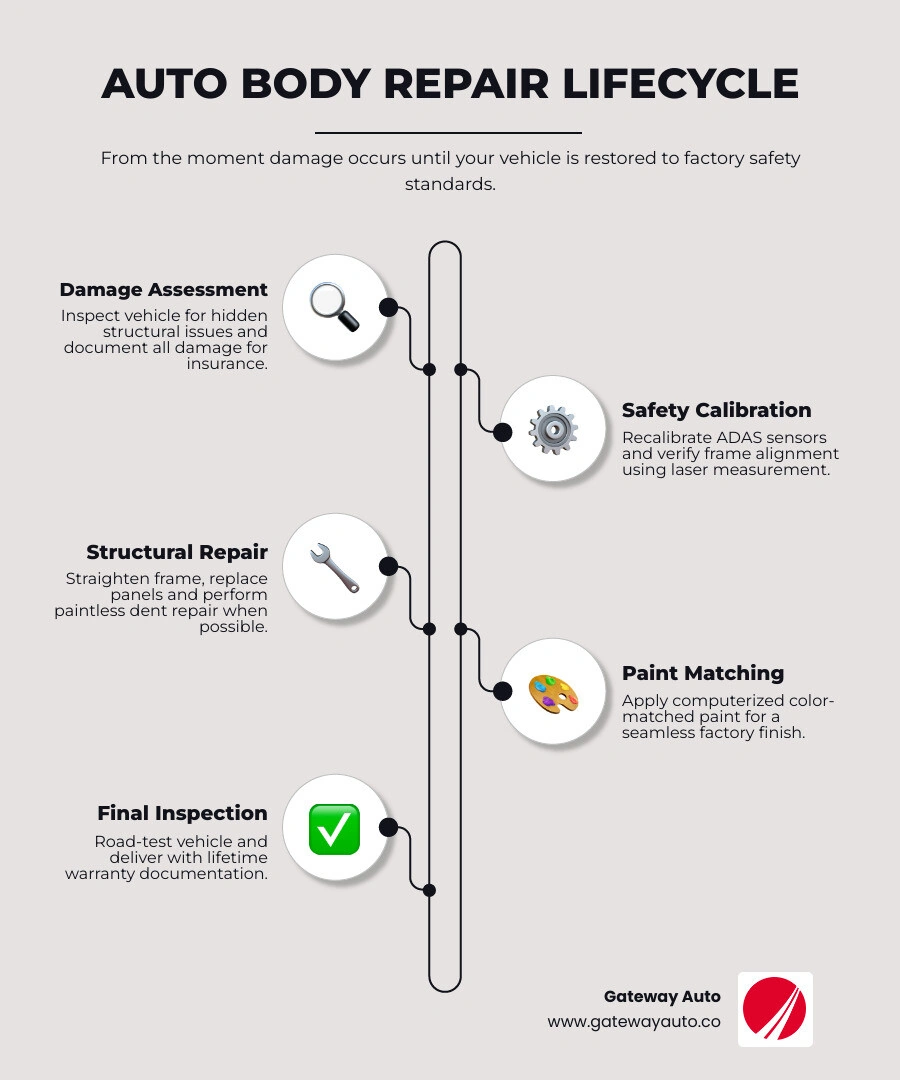
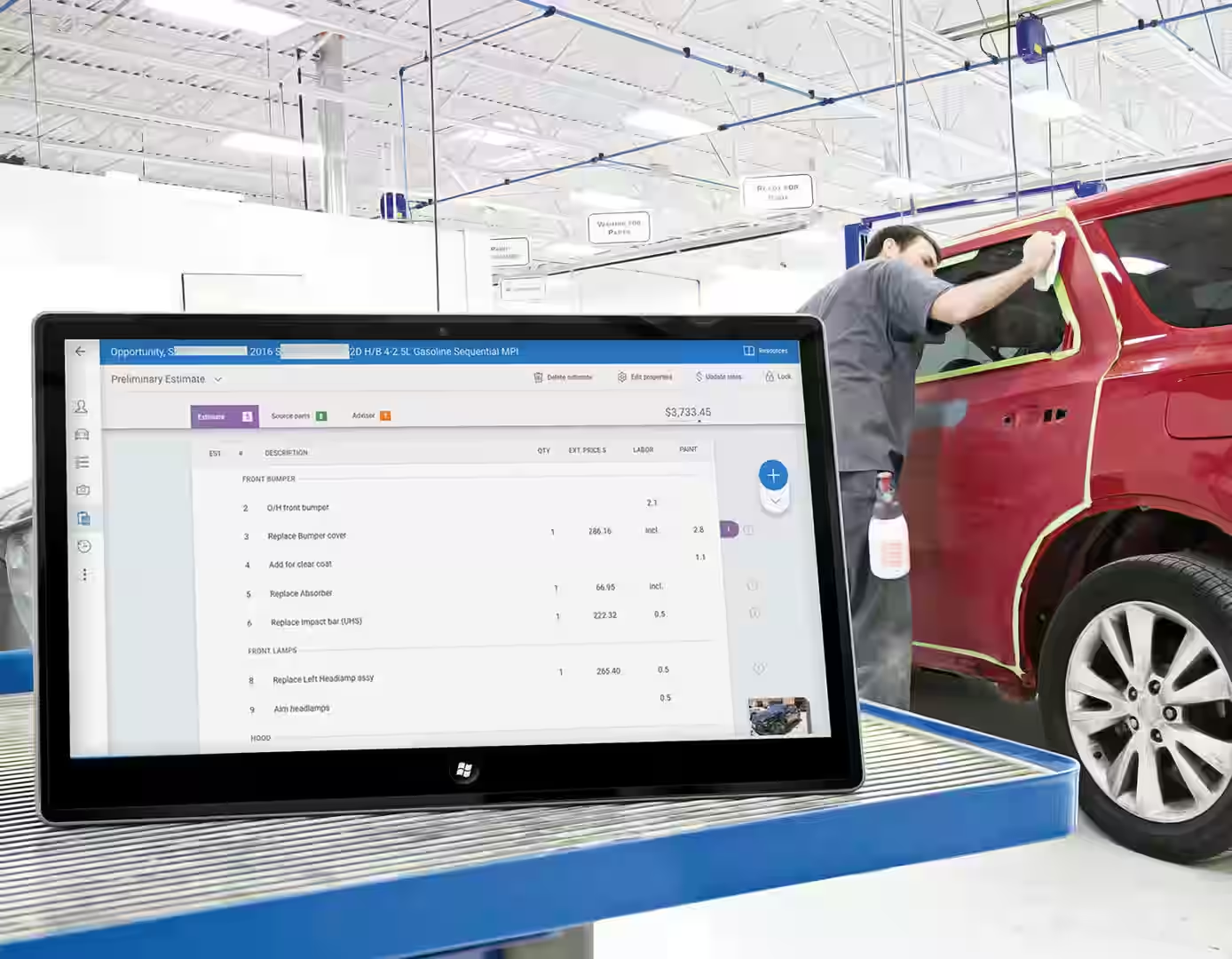
When a car is in a significant accident, the damage often goes deeper than the "skin" of the vehicle. This is where structural restoration comes in. If the frame is even slightly misaligned, your car won’t handle correctly, your tires will wear prematurely, and—most importantly—it won’t protect you properly in another accident.
We use laser measurement systems and computerized frame straightening to return your vehicle to exact factory specifications. This is a critical part of our Quality Collision Repair Ultimate Guide.
Furthermore, modern cars are covered in safety sensors. These are part of the Advanced Driver-Assistance Systems (ADAS), controlling things like lane keep assist and emergency braking. If a bumper is replaced or a frame is straightened, these sensors must be recalibrated. If they are off by even a fraction of a degree, they might not "see" an obstacle in time.
Paintless Dent Repair for Minor Damage
Not every dent requires a trip to the paint booth. If the paint hasn't been cracked or stretched, we often recommend Paintless Dent Repair (PDR).
PDR involves using specialized tools to gently "massage" the metal back into its original shape from behind the panel. This method is incredibly popular for Hail Damage Repair because it preserves the vehicle's original factory finish and can reduce repair costs by 50% to 75% compared to traditional methods. It’s faster, cheaper, and keeps your car’s resale value high.
Choosing a Reputable Shop and Managing Your Claim
Choosing where to take your car after an accident is a big decision. In Nebraska, you have the legal right to choose any repair shop you want—your insurance company cannot force you to use a specific "preferred" facility.
What to Look for in an Auto Body Repair Shop
When you're looking for an Auto Body Shop in La Vista or Omaha, look for these gold standards:
- I-CAR Gold Class Certification: This is the highest level of training recognized in the collision industry. It means the technicians are regularly updated on the latest repair technologies.
- ASE Certification: This ensures the team has the mechanical expertise to handle the parts of your car that aren't just "body work."
- Lifetime Warranty: A shop that stands by its work will offer a lifetime warranty on collision repairs. At Gateway Auto, we provide this because we believe a repair should last as long as you own the vehicle.
- All-in-One Service: We handle both mechanical and body repairs under one roof. This speeds up the process and ensures better quality control, particularly when a collision involves mechanical damage like a cracked radiator or bent suspension.
Red Flags to Avoid:
- Estimates that are unusually low (they may be cutting corners on safety).
- Shops that aren't willing to explain the repair process in plain English.
- A lack of modern equipment like computerized frame aligners.
You can see how we measure up by checking our profile on Gateway Auto - Service & Collision Center in La Vista, NE.
Navigating the Insurance Claim Process
Dealing with insurance is often the most stressful part of auto body repair. We try to make it as simple as possible.
Once you've made sure everyone is safe and you've exchanged information (see our guide on What to Do After a Car Accident), give us a call. We work directly with all major insurance companies to handle the Collision Repair Insurance Claim for you.
We help with:
- Initial Estimates: We can provide Online Estimates to get the ball rolling.
- Supplementals: Often, once we take the car apart, we find "hidden" damage. We document this and send it to your insurance company to ensure the entire repair is covered.
- Rental Coordination: We know being without a car is a huge disruption. We help coordinate with rental agencies to get you back on the road while we work.
For a deeper dive into this, check out our Insurance Collision Repair Guide.
Restoring Your Vehicle to Factory Standards
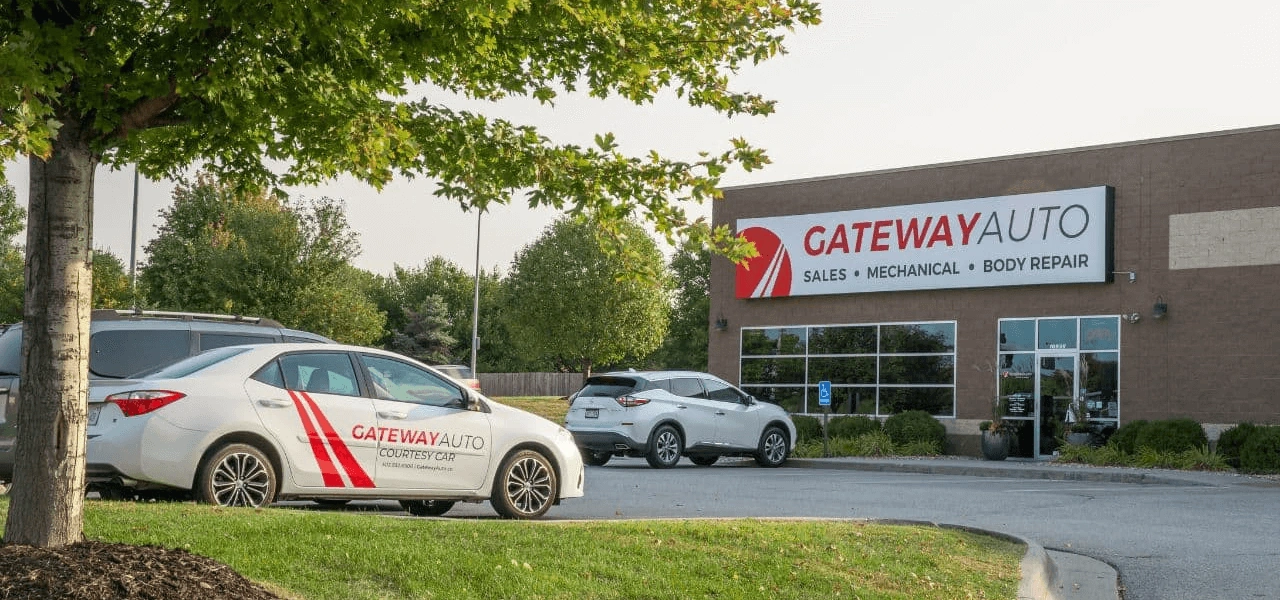
At Gateway Auto, we’ve spent over 20 years serving the Omaha community. We’re a family-owned business where the person who greets you at the front desk likely knows your name.
Our goal isn't just to fix your car—it's to give you peace of mind. Whether you need major Collision repair or just a quick Dent Repair in Omaha, we use the same high standards to ensure your vehicle is safe, beautiful, and reliable.
Frequently Asked Questions
How long does auto body repair usually take?For minor repairs like a bumper scuff, it might take 2 to 4 business days. For major collision work, the average turnaround is typically 2 to 3 weeks, depending on parts availability and the extent of the structural damage.
Will my insurance premiums go up?Generally, if you are not at fault (comprehensive claims like hail or a hit-and-run while parked), your premiums shouldn't increase. If you are found to be more than 49% at fault in a collision, your rates might be affected.
Is it worth fixing minor scratches?Yes. Beyond the look of the car, fixing scratches prevents rust and helps Enhance Your Car's Value After an Accident. If you plan to sell or trade your car in the future, a clean body is one of the biggest factors in the price you’ll get.
If you have questions about a recent "oops" or an accident, don't hesitate to reach out. We take care of people by taking care of their cars. Contact our Accident Collision Repair team today for an honest assessment.