
Collision Repair Omaha NE |
Auto Body Repair at Gateway Auto
Gateway Auto is a Best of Omaha body shop in Omaha. Get your car repaired right the first time. Located at 10939 Harrison St. La Vista, NE 68128
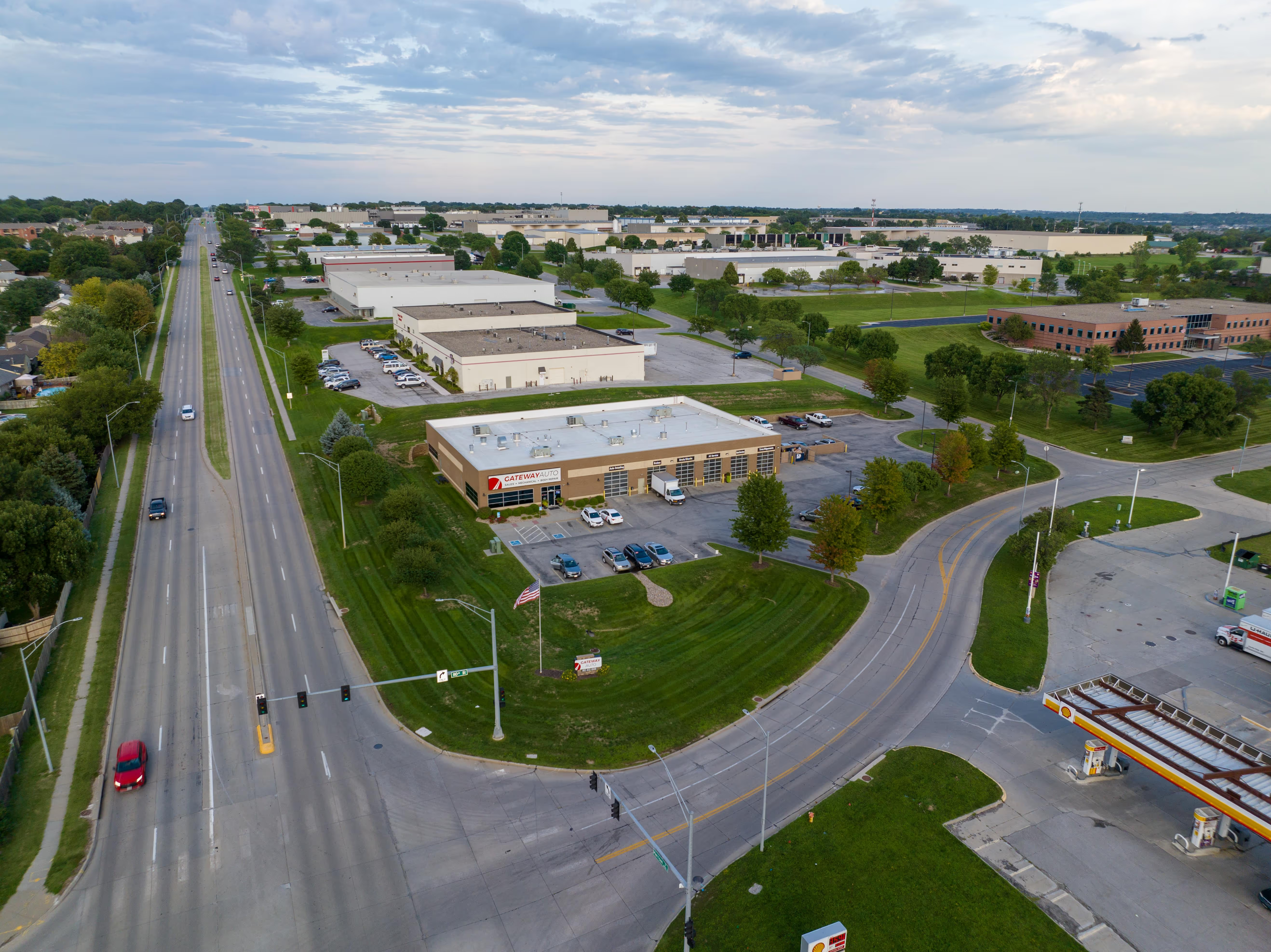

Best of Omaha Body Shop
A collision can disrupt your day, your schedule, and your confidence in your vehicle. Whether you are dealing with a dented bumper, hail damage, paint scratches, or structural body damage, Gateway Auto is here to make the repair process easier to manage.

I-CAR Certified
For trusted collision repair Omaha NE, drivers can turn to Gateway Auto, which provides collision and auto body repair throughout Omaha and the surrounding metro area. Our team helps restore your vehicle’s appearance, safety, and drivability through clear communication, accurate estimates, and repair services tailored to your needs.
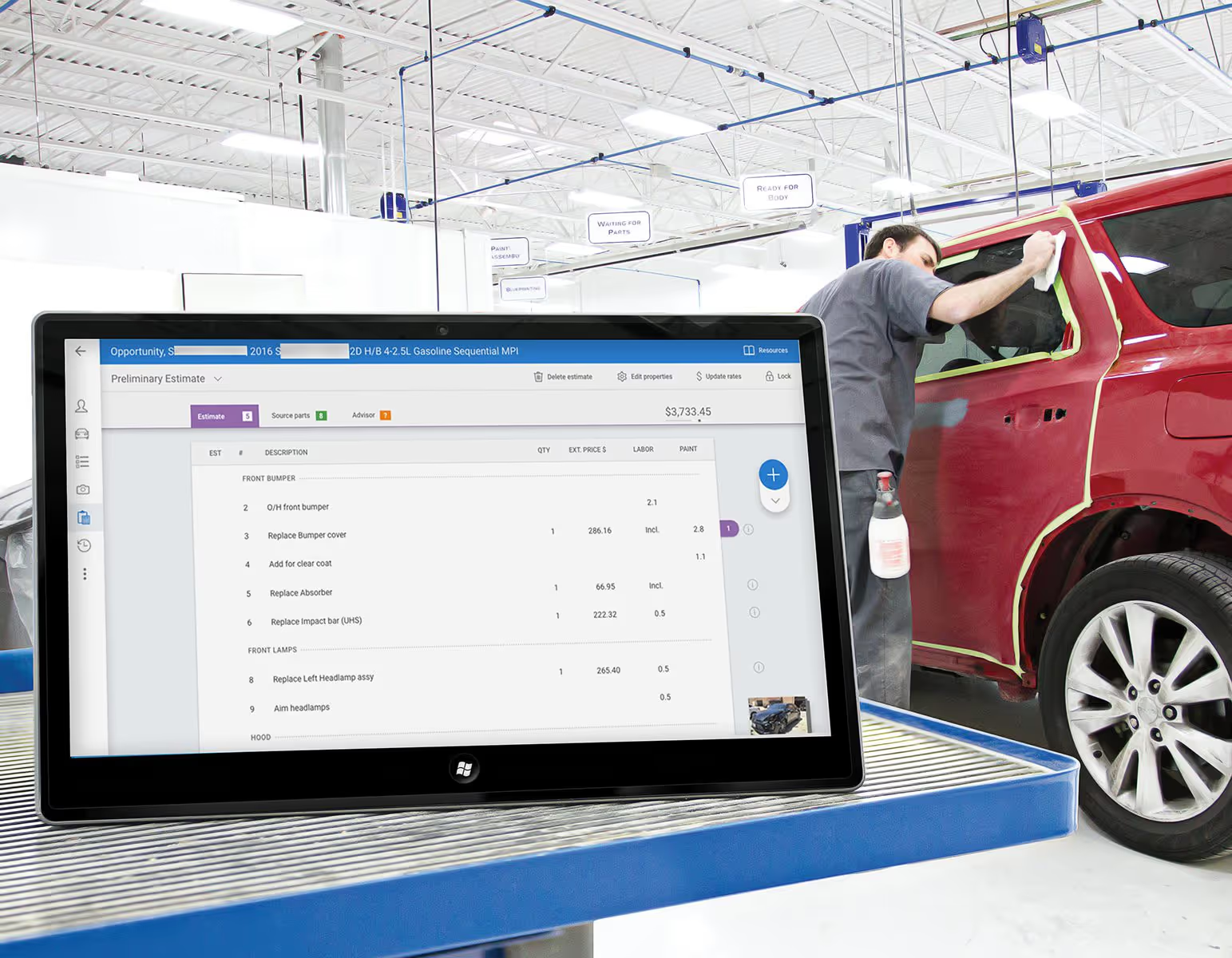
Free Repair Estimates
You can stop by for a free body repair estimate with no appointment needed, start an online estimate, or call our team to talk through the next step. From the first look at the damage to the final quality check, our goal is simple: repair your vehicle correctly and help you stay in motion. Located at 10939 Harrison St. La Vista, NE 68128
Collision Repair for Accidents, Dents, Hail, and Body Damage
Collision damage is not always obvious from the outside. A bumper, quarter panel, door, or hood may look like the main issue, but impact damage can also affectalignment, mounting points, frame areas, sensors, paint layers, and safety systems. Gateway Auto’s body shop evaluates the visible and hidden damage so your estimate reflects the repair work your vehicle actually needs.
Our collision services may include:
- Accident and collision repair
- Auto body painting
- Body repair estimates
- Paintless dent repair
- Auto hail damage repair
- Bumper, panel, and fender repair
- Frame and structural repair
- Electric vehicle body repair
- Insurance-approved body repair
Work With Local Experts
Some vehicles need light cosmetic auto body repairs. Others need major auto body work after a serious accident. In either case, you deserve a shop that explains the damage, reviews the repair plan, and keeps you updated while the work is underway.
We Repair All Makes & Models
Gateway Auto repairs a wide range of makes and models, including daily drivers, family vehicles, work trucks, and fleet vehicles. If you are not sure whether your vehicle can be safely driven after a collision, contact our team before getting back on the road.

.avif)
Free Body Repair Estimates with No Appointment Needed
After an accident, many drivers have the same first question: “How much will the repair cost?” A clear estimate helps you understand the damage, prepare for the claim process, and make a confident decision about your repair.
Gateway Auto offers free collision and body repair estimates with no appointment needed. During the estimate, our body repair team reviews the damaged areas, documents the visible issues, and uses repair information to build an accurate starting point for the work.
Your estimate may include labor, paint, parts, materials, and recommended repair procedures. If additional hidden damage is found after teardown, we will communicate with you and your insurance company so the repair plan can be adjusted properly.
We do not expect you to know "Body Shop terminology. Our team explains the estimate in plain language, answers your questions, and helps you understand what is needed to restore your vehicle.

Insurance Claim Help Without the Extra Stress
Dealing with an insurance claim can feel overwhelming, especially when you are already trying to arrange transportation and manage your schedule. Gateway Auto works with all insurance companies and helps make the process easier from the start.
You can choose where your vehicle is repaired. In Nebraska, the vehicle owner has the right to select the repair facility. Your insurance company may suggest a shop, but the final choice is yours.
Gateway Auto helps with claim-related steps such as estimate documentation, insurer communication, repair updates, and supplemental damage review when needed. If your insurance estimate does not include all required repairs, our team can help document the additional work and communicate with the insurer.
We also help reduce logistical headaches. Gateway Collision Center works with Enterprise Rent-A-Car for on-site rental pickup and drop-off, making it easier to stay on schedule while your vehicle is in the shop.
What the Gateway Auto Collision Repair Process Looks Like
A good repair experience starts with knowing what to expect. Gateway Auto keeps the process organized so you are not left guessing about your vehicle, timeline, or next step.
.avif)
1. Start with a free estimate
Bring your vehicle in for a drive-in estimate, begin an online estimate, or call Gateway Auto to discuss your situation. Our team reviews the damage and explains the recommended repair path.

2. Review the repair plan
Once the damage is assessed, we walk you through the estimate and answer your questions. If insurance is involved, we help coordinate the information needed for your claim.
3. Schedule the repair
When the estimate and claim details are ready, we schedule your repair. If you need rental support, our team can help coordinate on-site rental pickup and drop-off.
4. Complete the body repair
Depending on the damage, repair work may involve panel repair, replacement parts, paint matching, refinishing, frame straightening, welding, or paintless dent repair. Our technicians use modern repair methods and manufacturer repair information to support a proper result.

5. Stay updated during the repair
Gateway Auto sends updates as your vehicle moves through the repair process. You should not have to chase down basic information about your car.

6. Final check and vehicle return
Before your vehicle is returned, it goes through a final review. Gateway also includes a complimentary car wash and interior clean from the quality assurance team, so your vehicle comes back repaired, checked, and ready for the road.
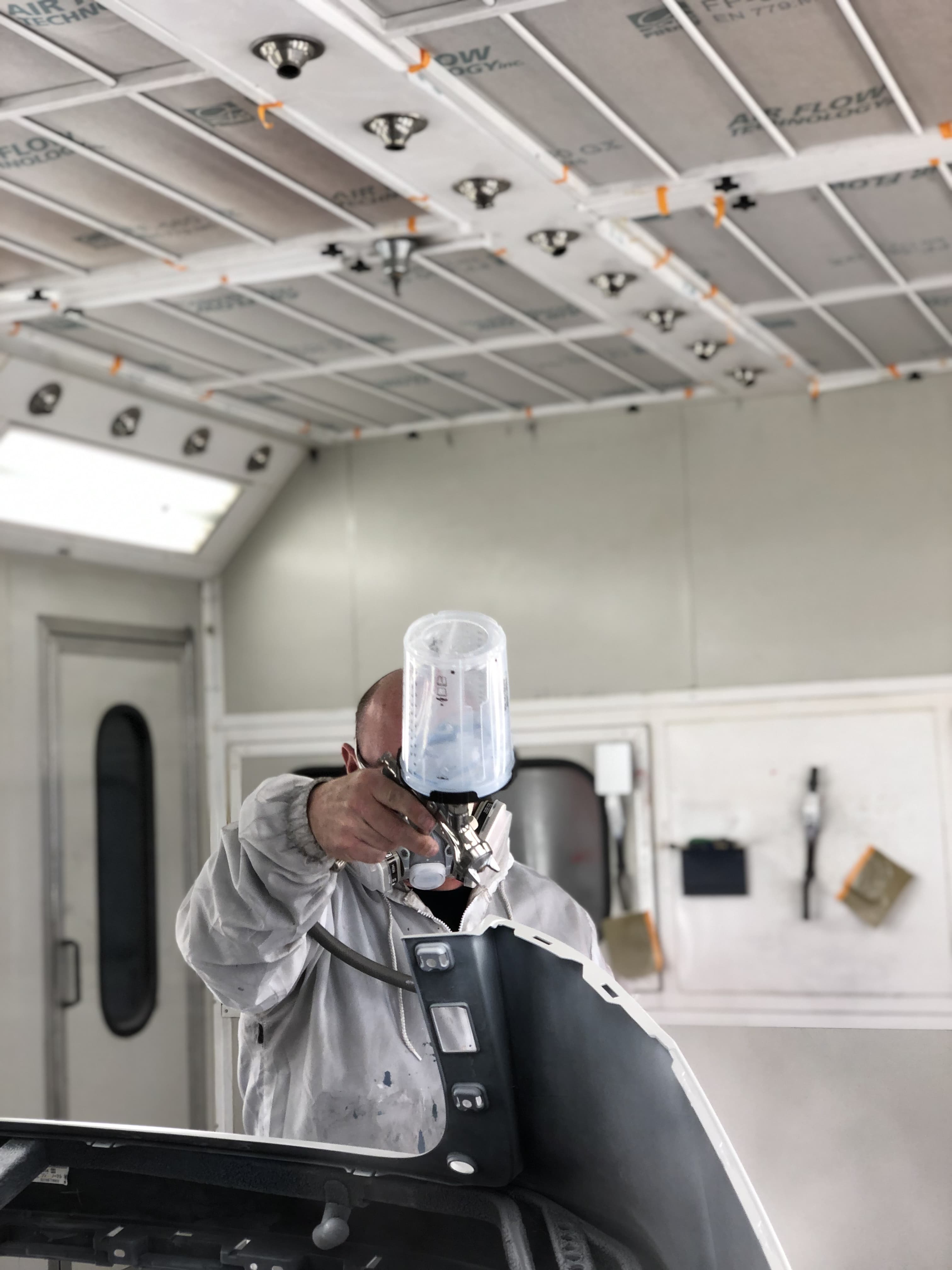
Auto Body Painting and Paint Matching
A quality collision repair should look clean, consistent, and well-blended. Paintwork is a major part of that result. Gateway Auto provides auto body painting and refinishing for vehicles with collision damage, scratches, panel repairs, hail damage, and paint defects caused by impact.
Modern paint matching requires the right process, materials, and attention to detail. Our team works to match your vehicle’s color and finish so repaired areas blend with the surrounding panels. This may involve surface preparation, primer, color application, clear coat, curing, and final inspection.
If your vehicle has metallic, pearl, or custom paint characteristics, the refinishing process may require additional blending to help the repaired area match under different lighting conditions. We explain what your repair requires before work begins.
Additional Body Repair Services & Information
Gateway Auto handles collision damage on every make and model. From foreign imports to domestic trucks, we know the work.
Paintless Dent Repair and Hail Dent Repair
Not every dent requires paint or part replacement. Paintless dent repair can be a strong option when the paint surface is still intact, and the damage can be accessed safely. This method allows trained technicians to massage dents back into shape without sanding, filling, or repainting the panel.
Gateway Auto offers paintless dent repair for qualifying door dings, small dents, and hail damage. It can often help preserve the factory finish while reducing repair time and cost compared with traditional body repair.
Hail dent repair is common for Omaha drivers after spring and summer storms. Even small hail dents can affect the look and resale value of your vehicle. If your car has hail damage, Gateway Auto can inspect it, explain whether paintless dent repair is an option, and help with insurance claim documentation.
Body Repair for Safety, Value, and Daily Use
Auto body repair is not only about appearance. Collision damage can affect how doors close, how panels align, how safety features function, and how your vehicle responds in another impact.
That is why Gateway Auto looks beyond surface damage. Proper body repair may involve structural measuring, frame straightening, panel replacement, welding, refinishing, calibration-related planning, and quality checks. The right repair plan depends on the vehicle, the damage, and the manufacturer's repair procedures.
A poorly completed repair can lead to uneven gaps, mismatched paint, water leaks, wind noise, tire wear, warning lights, or reduced resale value. Choosing a trusted body shop helps protect your investment and gives you more confidence when you return to daily driving.
Fleet and Commercial Collision Repair in Omaha
When a company vehicle is down, it affects scheduling, customer service, and productivity. Gateway Auto supports businesses that rely on cars, vans, trucks, and fleet vehicles to keep work moving across Omaha.
Our fleet and commercial auto body services are built for practical needs: clear estimates, timely updates, flexible scheduling, insurance coordination, and repair planning that helps reduce downtime. Whether you manage a few service vehicles or a larger commercial fleet, Gateway Auto can help with collision repair, body repair, hail damage, paint work, and ongoing vehicle care.
Because Gateway Auto offers collision, mechanical repair, fleet support, and vehicle sales under one trusted brand, business owners can keep many automotive needs in one place. That saves time and keeps communication simpler.
Why Omaha Drivers Choose Gateway Auto
Gateway Auto has served the Omaha area for over 20 years with a family-owned approach to automotive care. The brand was built around helping people protect their freedom of mobility, not treating customers like numbers.
Drivers choose Gateway Auto for collision repair because the experience is designed to be clear, convenient, and supportive. You get free estimates, insurance company coordination, repair updates, on-site rental support, and a team that understands how much your vehicle matters to daily life.
Gateway Auto is also known for offering several automotive services under one roof. If you need collision repair now and mechanical service later, you can work with the same trusted family of automotive professionals.
Body labor services performed by Gateway Auto are backed by a lifetime service warranty for as long as you own the vehicle. That warranty support reflects the shop’s commitment to workmanship and customer confidence.
Do You Have to Go to a Dealership for Collision Repair?
Many drivers assume a dealership is the only place that can perform proper collision repair. In many cases, an independent collision repair facility can access the same parts and repair information needed to complete the work properly.
The right choice depends on the shop’s training, equipment, repair procedures, communication, and commitment to doing the work correctly. Gateway Auto uses modern repair tools and methods, works with insurance companies, and repairs many makes and models.
If your insurance company suggests a repair facility, remember that you still have the right to choose where your vehicle is repaired. Choose a body shop that gives you clear answers, documents the damage, explains the estimate, and stands behind the work.
How Much Does Collision Repair Cost?
Collision repair cost depends on the type of damage, the vehicle, the parts required, paint work, labor time, hidden damage, and insurance requirements. A small dent may cost far less than structural damage, paint blending, or repairs involving sensors and advanced vehicle systems.
The best way to get accurate pricing is to have the vehicle inspected. Gateway Auto provides free estimates so you can understand the scope of work before making repair decisions.
If you are trying to save money on collision repair, start with an accurate estimate and ask which repairs are required for safety, which are cosmetic, and how insurance applies. Avoid choosing a repair only because it is the cheapest option. Poor body work can create bigger problems later.

Schedule Collision Repair in Omaha, NE
If your vehicle has collision damage, dents, hail damage, scratches, or body damage, Gateway Auto is ready to help. Start with a free estimate, ask about insurance claim support, or schedule your repair with a local team that keeps the process clear from start to finish.
Call Gateway Auto, schedule online, or stop by for a drive-in estimate at our 10939 Harrison St. La Vista, NE 68128 location. Meet our team and learn why Omaha drivers choose Gateway Auto. Call us at (402) 932- 0500 or email us at bodyshop@gatewayauto.co
Our Omaha auto body team will inspect the damage, explain your options, and help you get back on the road with confidence.
Frequently asked questions
If it's a car, we'll fix it. If it's a question, we'll answer it.
What are signs of poor body work?
A finished repair should restore appearance and support safe vehicle use. Watch for warning signs such as uneven panel gaps, doors or hoods that do not close smoothly, paint that does not match, overspray, rough texture, water leaks, rattles, warning lights, or alignment issues.
If something does not look or feel right after a repair, ask the shop to review it. Gateway Auto completes final checks before returning your vehicle and communicates throughout the process so concerns can be addressed early.
Do I need an appointment for a body repair estimate?
No. Gateway Auto offers free walk-in estimates for collision and body damage. You can stop by the shop, start an online estimate, or call for help with the next step.
Will Gateway Auto work with my insurance company?
Yes. Gateway Auto works with all insurance companies and helps with claim communication, estimate documentation, and supplemental repair needs when hidden damage is found.
Can I choose Gateway Auto even if my insurance company recommends another body shop?
Yes. In Nebraska, the vehicle owner has the right to choose where the vehicle is repaired. Your insurance company may recommend a shop, but you can select the repair facility you trust.
What types of auto body repairs does Gateway Auto provide?
Gateway Auto provides accident and collision repair, auto body painting, paintless dent repair, hail damage repair, body repair estimates, structural repair, and related collision services for many makes and models.
Does Gateway Auto offer a warranty on body repair?
Yes. Body labor services performed by Gateway Auto are backed by a lifetime service warranty for as long as you own the vehicle.
Can Gateway Auto help if my vehicle cannot be driven?
Yes. Gateway Auto works with Arrow Towing in Omaha to help transport vehicles that cannot be safely driven to the shop. Call Gateway Auto or Arrow Towing for help arranging the tow.
Do I need to take my vehicle to the dealership for repair?
We receive this question quite often. Simply put, Independent Collision Repair facilities have access to and use the same parts as the dealership in the repair process.
Collision Repair Testimonials for Gateway Auto
Don't just take our word for it, check out our reviews and see what our customers have to say about the Gateway Auto experience.
Diane Stanton
Collision Center
Sydney Meier
Collision Center
Edwin Iraheta-Retana
Collision Center
Darren Powell
Collision Center