How to File a Car Insurance Claim in 5 Easy-to-Follow Steps
What to Expect From the Car Insurance Claim Process
Understanding the car insurance claim process can make a genuinely stressful situation a lot more manageable. After an accident, most people feel overwhelmed — and the last thing you want is to make a costly mistake while you're still shaken up.
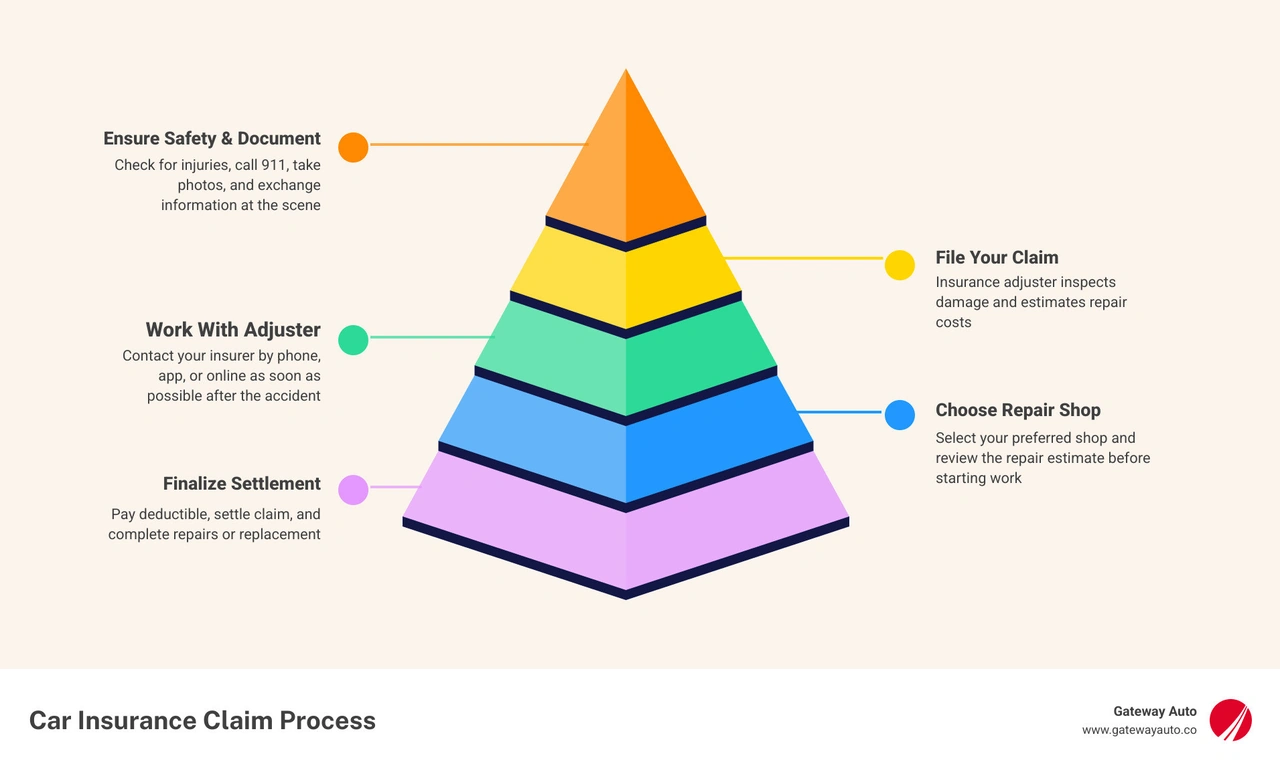
Here's a quick overview of the 5 steps so you know exactly what's ahead:
- Ensure safety and document the scene — check for injuries, call 911, take photos, and exchange information
- File your claim — contact your insurer by phone, app, or online as soon as possible
- Work with the insurance adjuster — they'll inspect the damage and estimate repair costs
- Choose a repair shop and review the estimate — you have the right to choose your own shop
- Finalize your settlement and pay your deductible — then get your car repaired or replaced
Timelines vary, but adjusters typically reach out within 1 to 3 days of filing. Most claims are resolved within a few weeks, though complex cases involving injury or liability disputes can take longer.
Filing promptly matters. Evidence fades, memories blur, and some states have strict deadlines — New York's no-fault claims, for example, must be filed within 30 calendar days of the accident.
I'm Ben Toscano, co-founder of Gateway Auto, and after more than 20 years working alongside Omaha families navigating collision repairs and insurance, I've seen how confusing the car insurance claim process can be. This guide walks you through it step by step so nothing catches you off guard.
Navigating the Car Insurance Claim Process After an Accident
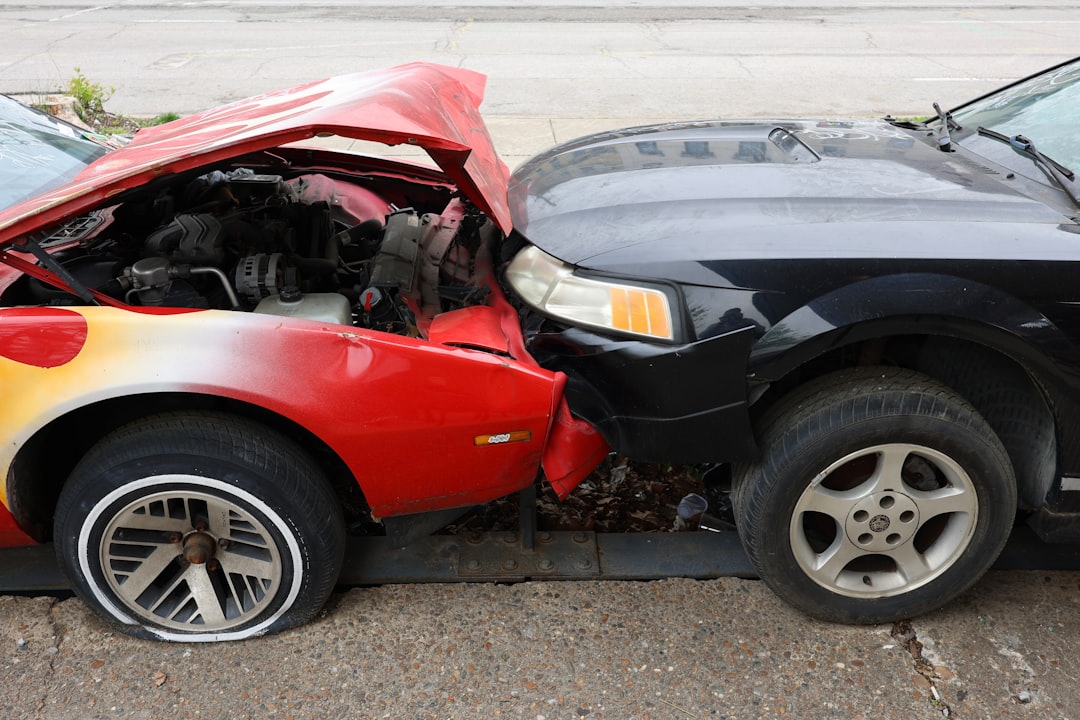
The moments immediately following an accident are often the most critical for your claim. While it's natural to feel frazzled, staying calm and methodical helps ensure you have the evidence needed to support your case. Whether it was a major collision on I-80 or a minor fender bender in a parking lot, the way you document the scene dictates how smoothly the rest of the process goes.
Step 1: Immediate Actions and Documentation
Your first priority is always safety. Check yourself and your passengers for injuries. If anyone is hurt, call 911 immediately. If the vehicles are drivable and in a dangerous spot, move them to the shoulder or a nearby parking lot to avoid further accidents. Turn on your hazard lights to stay visible to other drivers.
Even for minor accidents, we always recommend calling the police. An official police report provides an unbiased record of the incident, which is incredibly helpful if the other driver later disputes what happened. While waiting for the authorities, start gathering evidence.
Take clear photos of the damage to all vehicles involved, the surrounding scene, and any relevant road signs or weather conditions. You should also exchange information with the other driver, including their name, contact details, and insurance policy number. If there were witnesses, try to get their contact information as well. For a more detailed breakdown of these first moments, check out our guide on What to Do After a Car Accident.

Step 2: Filing the Car Insurance Claim Process with Your Insurer
Once you are safe and have gathered your documentation, it’s time to notify the insurance company. Most major insurers like State Farm, Progressive, and GEICO allow you to file 24/7 via their mobile apps, website, or over the phone. Filing a claim usually takes about 5 to 10 minutes if you have your information ready.
You’ll need to provide:
- Your policy number
- The date, time, and location of the incident
- A detailed description of how the accident happened
- Contact and insurance information for the other driver
- The police report number (if available)
Even if you weren't at fault, it is often a good idea to notify your own insurer. This protects you in case the other driver is uninsured or denies liability. If you're filing against another driver's policy, be aware that their insurer will investigate before agreeing to pay. For more specifics on the filing side, GEICO and Progressive offer helpful overviews of their specific digital filing tools.
Step 3: Working with the Insurance Adjuster
After you file, the insurance company will assign an adjuster (sometimes called a claim examiner) to your case. Their job is to investigate the accident, determine who was at fault, and assess the extent of the damage. They are the primary liaison between you and the insurance company.
The adjuster may ask for the photos you took at the scene or schedule a time to inspect your vehicle in person. In May 2026, many companies also use "virtual estimation," where you upload photos via an app, and they generate a preliminary estimate based on those images.
Be aware that initial estimates often only cover visible damage. Once a professional shop begins the teardown, they may find "hidden" damage. For example, a bumper might look fine on the outside while the underlying frame is compromised. Understanding the difference between surface issues and structural problems is vital—learn more in our article on Everything You Need to Know About Car Frame Damage.
Finalizing Your Repairs and Settlement
Once the damage is assessed, the focus shifts to getting your car back on the road and settling the financial side of the claim. This is where you have the most influence over the quality of the work performed on your vehicle.
Step 4: Choosing a Repair Shop and Managing Estimates
One of the most important things to know about the car insurance claim process is that you have the legal right to choose your own repair shop. An insurance company might "suggest" or "direct" you toward one of their preferred network shops, but the final decision is yours.
When choosing a shop in the Omaha area, look for credentials like I-CAR Gold Class and ASE certification. These designations ensure the technicians have the training to handle modern vehicle safety systems and complex structural repairs. At Gateway Auto, we provide a lifetime warranty on all collision work, which gives our customers peace of mind that the job was done right.
The shop will work directly with the adjuster to ensure the repair estimate is accurate. If the shop finds more damage than the adjuster originally noted, they will submit a "supplement" to the insurance company to cover the additional costs. You can find more tips on navigating this in our Insurance Collision Repair Guide. Some high-end insurers, like Chubb, aim to issue payments within 48 hours of agreeing on an amount, but timelines can vary.
Step 5: Understanding Your Settlement and Deductible
If your car is repairable, the insurance company will pay the shop (or you) for the cost of repairs, minus your deductible. Your deductible is the out-of-pocket amount you agreed to pay when you bought your policy. If the accident wasn't your fault and you're filing against the other driver's insurance, you typically won't have to pay a deductible at all.
What if your car is a "total loss"? This happens when the cost of repairs exceeds a certain percentage of the car's actual cash value (ACV). In this case, the insurer will pay you the ACV of the car. If you still owe more on your loan than the car is worth, "Gap Insurance" can help cover that difference.
Once the settlement is reached and repairs are finished, you’ll likely sign a release form. Be sure you are satisfied with the repairs and the settlement amount before signing, as this usually closes the claim. For more on the financial side, read about the Collision Repair Insurance Claim process.
Frequently Asked Questions About the Car Insurance Claim Process
What should I do if my claim is denied?If your claim is denied, ask for a written explanation. You have the right to appeal the decision or seek a second opinion. Sometimes denials happen due to simple documentation errors that can be corrected.
Will my premium increase if I file a claim?It depends. If you aren't at fault, many insurers won't raise your rates. However, factors like your driving history and the severity of the accident play a role. Some policies also include "accident forgiveness."
How can I maintain my car's value after an accident?Using high-quality parts and a certified repair shop is key. Keeping detailed records of the professional repairs performed can help maintain resale value. We’ve put together a guide on how to Enhance Your Car's Value After an Accident to help you navigate this.
Conclusion
The car insurance claim process doesn't have to be a nightmare. By following these five steps—documenting carefully, filing promptly, and choosing a repair shop you trust—you can protect both your vehicle and your wallet.
At Gateway Auto, we’ve spent over 20 years helping our Omaha and La Vista neighbors through the aftermath of accidents. As a family-owned, all-in-one center, we handle everything from the initial collision estimate to the final mechanical safety checks. We pride ourselves on transparency and the fact that our average customer relationship spans over a decade.
If you’ve been in an accident and need an honest assessment of the damage, we’re here to help. Our I-CAR Gold Class collision team will work with your insurance to ensure your car is returned to factory standards, backed by our lifetime warranty.