
Navigating the Direct Repair Program Omaha Maze
Why a Collision Repair Insurance Claim Feels So Complicated — And How to Cut Through It
A collision repair insurance claim is the process of working with your insurance company to get your vehicle repaired after an accident — but between adjusters, estimates, deductible payments, and repair shop choices, it can feel like a second job.
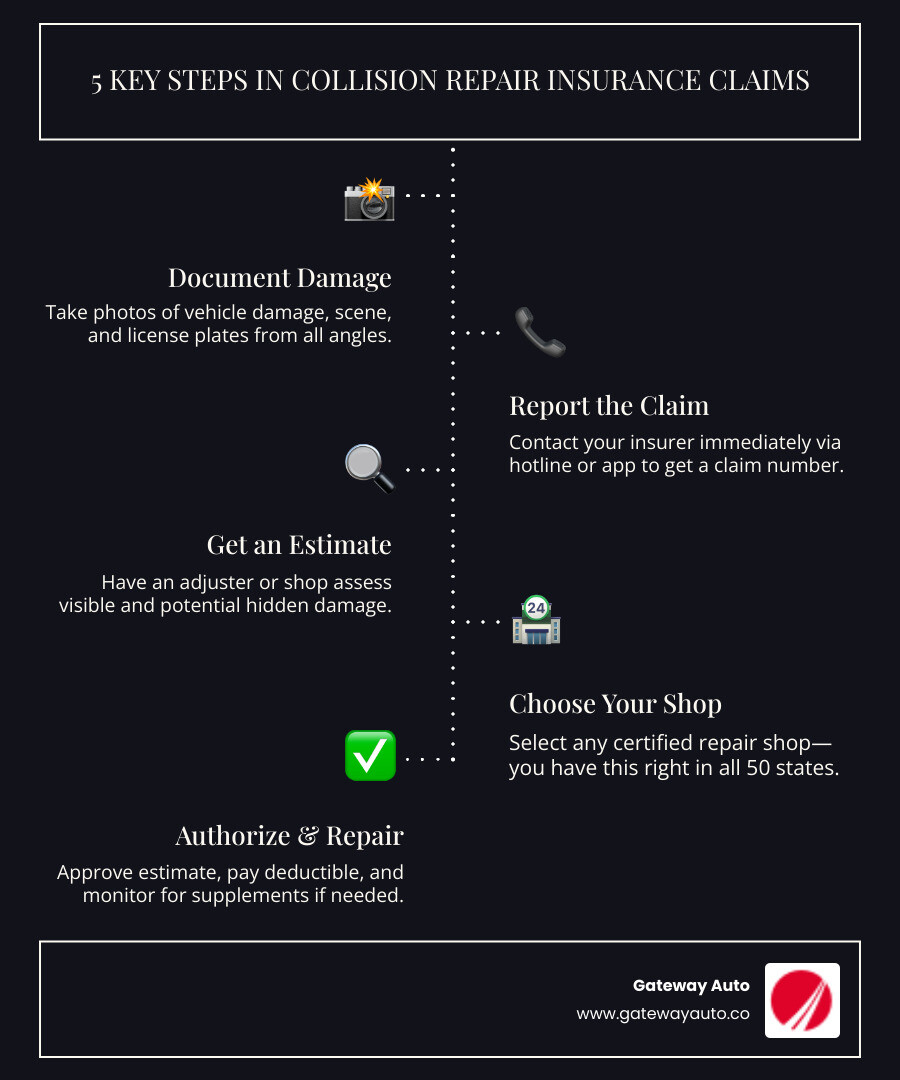
Here's the short version of how it works:
- Document the accident — photos, police report, other driver's info
- Report the claim to your insurance company and get a claim number
- Get a damage estimate — from an adjuster or a repair shop
- Choose a repair shop (you have the right to choose your own in all 50 states)
- Authorize repairs after reviewing and approving the estimate
- Pay your deductible directly to the repair shop
- Handle supplements if hidden damage is found during the repair
- Arrange a rental vehicle if your policy includes rental reimbursement
- Inspect the finished repairs before accepting the vehicle back
- Close the claim once all repairs are confirmed complete and correct
Most people only go through this process once or twice in their lives — which means they're navigating unfamiliar territory at one of the most stressful moments they'll have as a driver.
I'm Ben Toscano, and over the past 20+ years building Gateway Auto into one of Omaha's most trusted family-owned shops, I've walked hundreds of families through the collision repair insurance claim process. Understanding what to expect — and what to watch out for — makes all the difference, and that's exactly what this guide is for.
Immediate Steps to Protect Your collision repair insurance claim
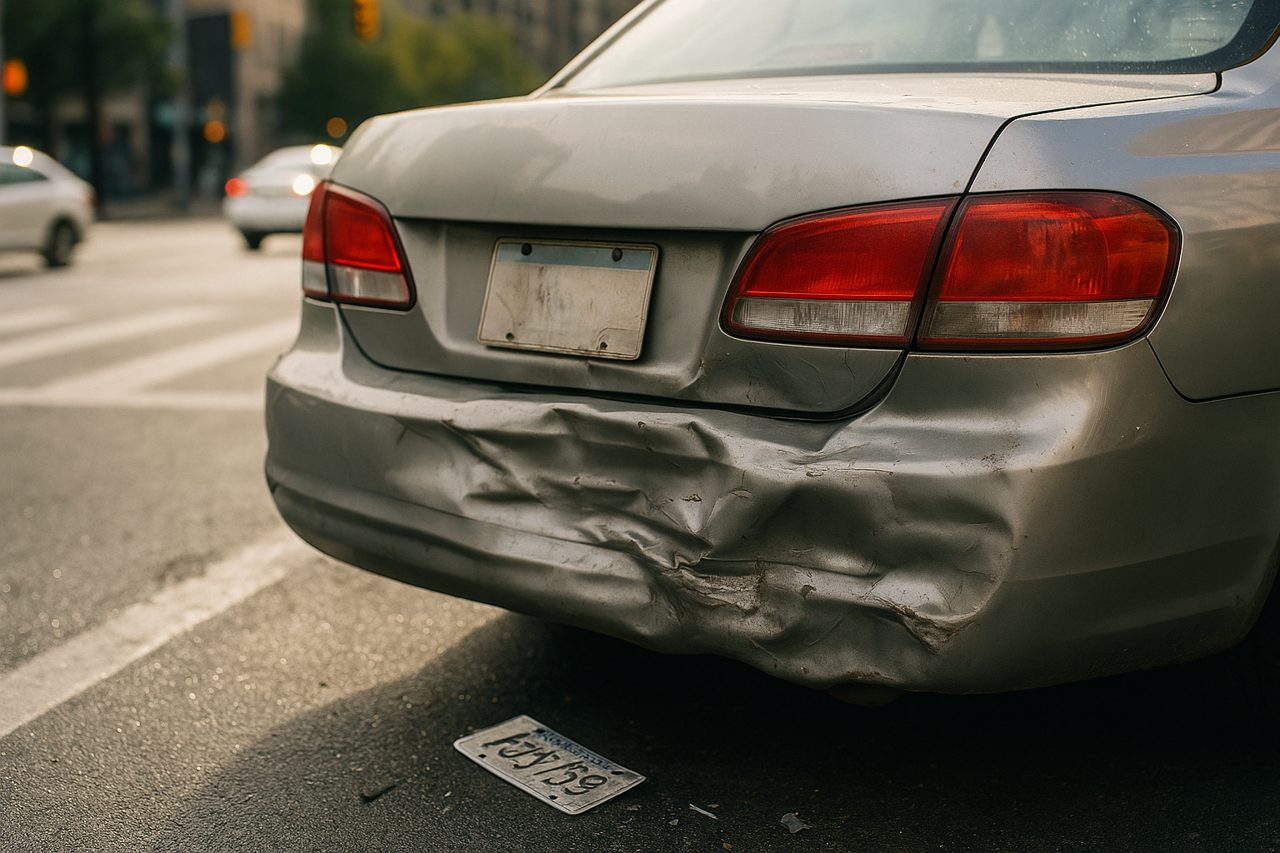
The moments following an accident are chaotic, but what you do in those first thirty minutes sets the foundation for your entire claim. Your priority is safety, but your second priority is documentation. Insurance companies rely on objective facts, and the more you provide, the smoother your accident and collision repair services will go.
First, ensure everyone is safe and move vehicles out of traffic if possible. Call the police to file a report; even in minor "fender benders," a police report provides an unbiased third-party account that prevents the other driver from changing their story later.
Next, use your smartphone. Take wide-angle shots of the entire scene and close-ups of the damage on all vehicles involved. Don't forget to photograph street signs, skid marks, or property damage. If there are witnesses, ask for their contact information. This evidence is vital when you follow the steps to file an insurance claim correctly.
Gathering Essential Information
Before leaving the scene, make sure you have a complete "info packet." You’ll need the other driver’s name, phone number, insurance company, and policy number. Note the exact date, time, and location (cross-streets are best).
We often see claims delayed simply because a driver forgot to note the license plate number or the make and model of the other car. Having these details ready when you call your agent prevents back-and-forth headaches. For a deeper dive into these early steps, check out our insurance collision repair guide.
Notifying Your Provider
Most insurers offer 24-hour hotlines or mobile apps to report a claim. When you call, stick to the facts. Describe what happened without speculating on fault or saying things like "I think I might have..." or "I didn't see..." Let the adjusters and the police report determine liability. Once you report the incident, you'll be assigned a claim number. Keep this number handy—it is the "key" to your entire repair process.
Understanding Coverage and the Filing Process
Insurance policies can read like a different language. To navigate a collision repair insurance claim, you need to know which part of your policy is "paying the bill."
- Collision Coverage: This pays for damage to your vehicle resulting from a collision with another car or object, regardless of who is at fault.
- Comprehensive Coverage: This handles "acts of God" or non-collision events like hail damage repair, theft, or fire.
- Liability: This only covers damage you cause to others. It won't pay for your own car's repairs.
Understanding what to look for when buying car insurance before an accident happens can save you thousands in unexpected costs. You can also learn more about how major carriers like Progressive handle the auto claims process to see how they typically interact with shops.
Determining Fault and Deductibles
If the accident wasn't your fault, you might file a third-party claim against the other driver's insurance. If it was your fault, or if the other driver is uninsured, you'll file a first-party claim under your own collision coverage.
In a first-party claim, you are responsible for your deductible. This is the out-of-pocket amount (often $500 or $1,000) you agreed to pay when you bought the policy. You pay this amount directly to the repair shop when the job is finished. If you're looking for ways to manage these costs, our affordable collision repair guide offers some practical tips.
The Role of the Insurance Adjuster
After the claim is filed, an insurance adjuster will assess the damage. They might come to your home, see the car at a shop, or ask you to upload photos via an app. Their job is to write a preliminary estimate of the visible damage. It is important to remember that this initial estimate is rarely the final word—it's just a starting point.
Your Right to Choose an Omaha Repair Shop
This is the most important thing you need to know: In Nebraska, you have the legal right to choose any repair shop you want.
Insurance companies often use "Direct Repair Programs" (DRPs) and may try to "steer" you toward their preferred shops. They might say things like, "We can't guarantee the work if you go elsewhere," or "It will take longer if you don't use our shop." This is a tactic to control costs.
At Gateway Auto, we maintain I-CAR Gold Class and ASE-certified standards, which are the highest industry benchmarks for safety and quality. Whether a shop is "preferred" by an insurer or not, their work should be judged by these certifications, their quality and their own warranty.
Benefits of Independent collision repair insurance claim Handling
When you choose an independent shop like ours, we work for you, not the insurance company. This means we are unbiased in our assessment. If a part needs to be replaced to ensure the structural integrity of your vehicle, we advocate for that repair even if the insurer wants to "repair" it to save money. We prioritize quality collision repair and your family's safety above the insurer's bottom line.
Comparing Insurance-Preferred vs. Independent Shops
Preferred shops have contractual obligations to the insurance company, which can sometimes lead to pressure to use cheaper parts or rush labor. Independent shops rely on their reputation in the community. As a family-owned business in Omaha for over 20 years, our goal is to keep you as a customer for the next decade, not just to close a single insurance file. You can read more about finding the best collision repair shop in Omaha to see what differentiates local experts from big-box chains.
The Step-by-Step Repair and Supplement Process
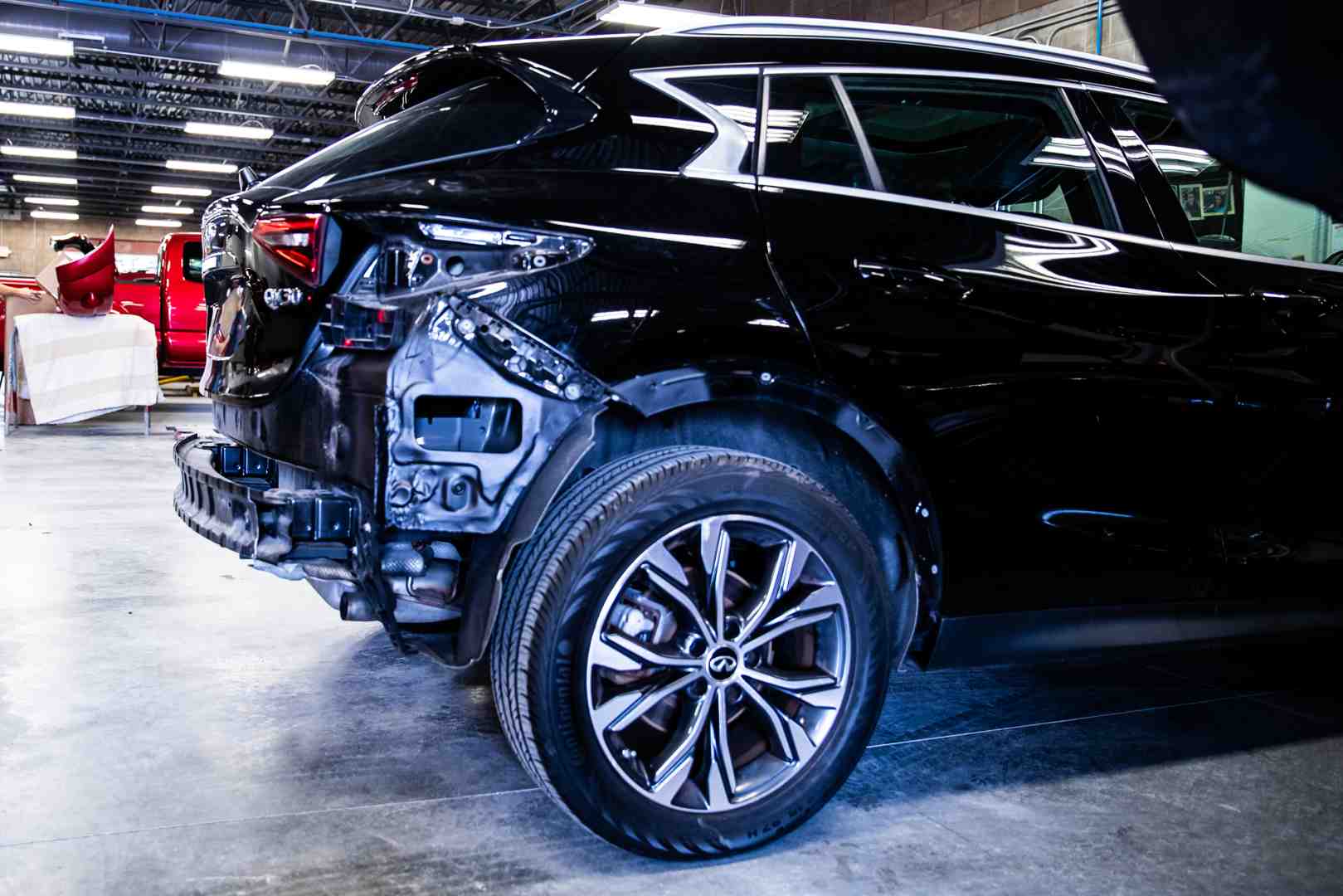
Once your car arrives at our shop, the real work begins. We don't just look at the outside; we perform a "teardown." This involves removing damaged panels to see what's happening underneath.
Modern cars are designed with crumple zones. While a bumper might only have a scratch, the reinforcement bar or sensors behind it could be shattered. This is why online estimates are helpful for a ballpark figure but can't replace an in-person inspection.
Navigating the Supplement Maze
When we find hidden damage during the teardown, we file a "supplement." This is an additional claim sent to the insurance company for the parts and labor not included in the original estimate. This is a standard part of the collision repair insurance claim process. We handle the negotiations, sending photos and documentation to the adjuster to get the extra work approved so you don't have to act as the middleman. This is especially common in minor collision repairs where structural issues aren't immediately obvious.
Parts Selection: OEM vs. Aftermarket
One of the biggest points of contention in a claim is the type of parts used.
- OEM (Original Equipment Manufacturer): Parts made by your car’s maker. They fit perfectly and meet all safety standards.
- Aftermarket: Parts made by a third party. They are cheaper, but the fit and finish can vary.
Insurers often push for aftermarket parts to save money. We advocate for OEM parts whenever possible, especially for truck collision repairs or high-tech vehicles where precision is non-negotiable.
Factors Affecting Your collision repair insurance claim Timeline
We know you want your car back yesterday. However, several factors can influence the timeline:
- Parts Availability: With current global supply chain issues, some parts can take weeks to arrive.
- Insurance Approval: Waiting for an adjuster to approve a supplement can add days to the process.
- Hidden Damage: Finding structural issues mid-repair requires extra time for safe correction.
While your car is being fixed, we focus on enhancing your car's value by ensuring the repair is invisible and the safety systems are perfectly recalibrated.
Managing Rental Car Logistics
If you have "Rental Reimbursement" on your policy, your insurer will pay for a rental car while yours is in the shop—up to a certain daily limit and total duration (usually 30 days). If repairs are delayed due to parts, we can often help you request an extension from your insurer. Programs like State Farm's Select Service have specific rules for rentals, so always check your policy limits early.
What Happens in a Total Loss Scenario
If the cost to repair your vehicle exceeds a certain percentage of its value (usually 70-80%), the insurer may declare it a "total loss." In this case, they pay you the Actual Cash Value of the car rather than fixing it. This can be a complex process involving loan payoffs and title transfers. You can find more technical details on total loss and collision claims to understand how valuations are reached.
Frequently Asked Questions about Collision Claims
Will filing a claim increase my insurance premiums?
It depends. If you are not at fault, your rates typically won't go up. However, if you are found more than 25-50% responsible, you might see an increase. Many modern policies offer "accident forgiveness" for your first claim, so it's worth asking your agent about your specific plan.
What should I do if the insurance estimate is too low?
Don't panic. This is why you bring the car to a professional shop. We provide a detailed, independent estimate that includes all necessary safety procedures and factory-required steps. We use this documentation to negotiate with the adjuster to ensure the settlement covers the actual cost of a safe repair.
Can I insist on OEM parts for my repair?
You can, but your policy might dictate that the insurer only pays for "like kind and quality" (aftermarket). If you insist on OEM and your policy doesn't cover it, you may have to pay the price difference out of pocket. We can help you weigh the safety and resale value benefits of OEM parts versus the cost.
Final Inspection and Closing Your Claim
Before you drive away, we perform a rigorous quality control check. This includes ensuring the auto body painting matches perfectly, the sensors are recalibrated, and the car has been test-driven.
At Gateway Auto, we stand behind our work with a lifetime warranty on all collision repairs. Once you're satisfied, you'll pay your deductible, and we'll finalize the paperwork with your insurer. Our goal is to make sure that when you leave our Collision Department, the only memory you have of the accident is how easy the repair process was.
If you've been in an accident in the Omaha or La Vista area, don't navigate the insurance maze alone. Give us a call or visit us at Gateway Auto—we’ll take care of the car, and we’ll take care of you.
Subscribe to Our Newsletter
Get maintenance tips, seasonal reminders, and Gateway Auto news straight to your inbox.
.avif)
%20(3).png)