Keeping up with routine care makes it easier to catch wear before it turns into an inconvenient breakdown. Omaha drivers also have to account for hot summers, freezing winters, potholes, road salt, short commutes, and highway miles.
A practical car maintenance checklist gives you a simple way to stay on top of routine care, follow the manufacturer’s maintenance schedule, and recognize when something needs professional attention. The goal isn’t to replace the recommendations in your owner’s manual. It’s to make those recommendations easier to follow while adding simple checks for real-world driving conditions.
Some maintenance can be handled at home, such as checking tire pressure or making sure your exterior lights work. Other items, including brake problems, fluid leaks, alignment concerns, and warning lights, should be evaluated by a qualified technician.
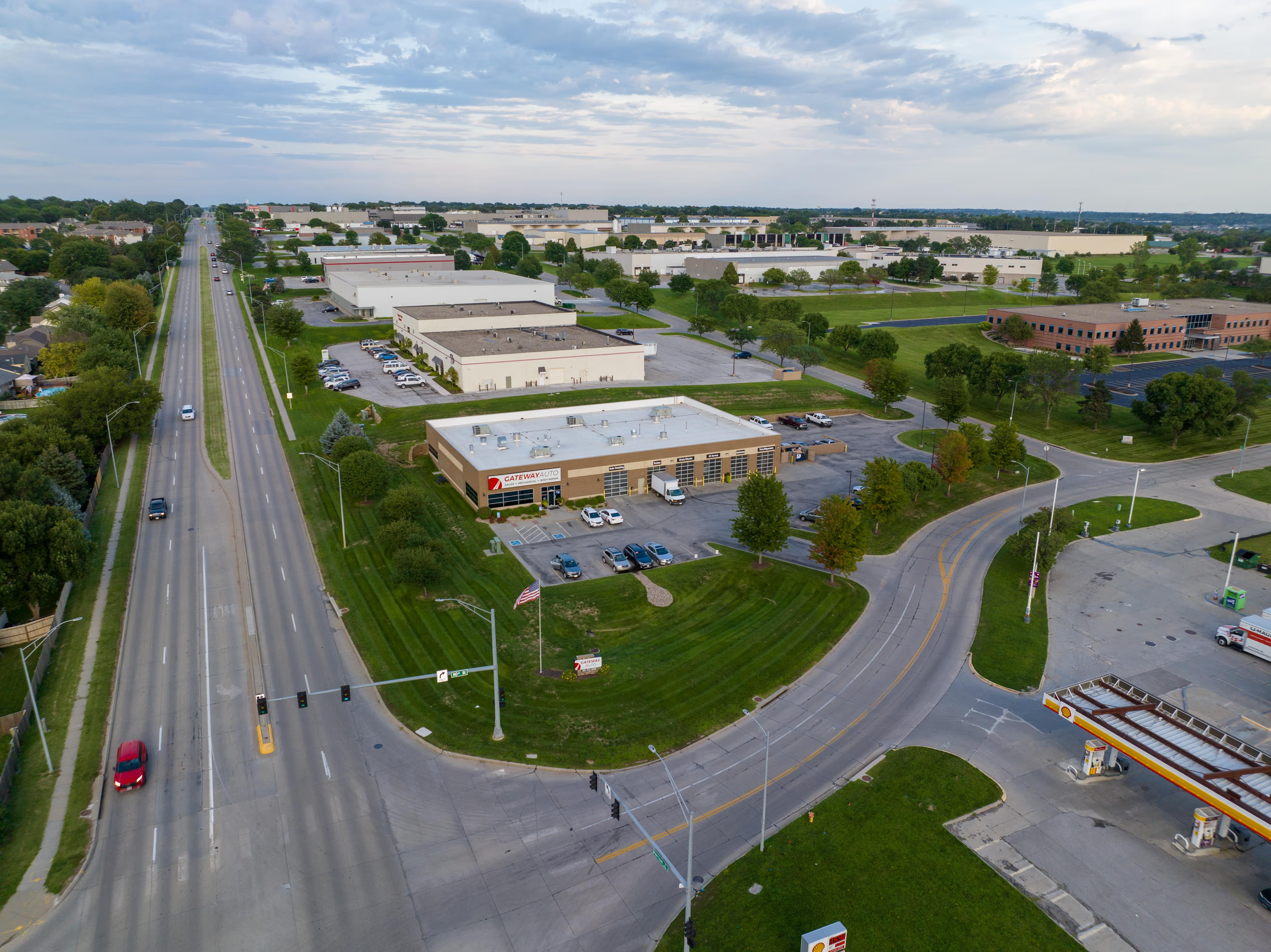
For busy Omaha families, commuters, and local businesses, having one trusted team handle routine service and unexpected repairs can reduce downtime. Gateway Auto provides maintenance and auto repair throughout the Omaha metro and can help drivers decide what needs attention now and what can be planned for later.
Build Your Routine Around the Maintenance Schedule
Every vehicle has its own service requirements, so start with the maintenance schedule in the owner’s manual. Manufacturers specify intervals based on the design of the engine, transmission, braking system, fluids, filters, and other components. Those recommendations are a better starting point than using the same timeline for every vehicle.
Some services are determined mainly by mileage. Others are affected by both mileage and time. A vehicle that travels relatively few miles can still need maintenance because fluids age, rubber parts deteriorate, batteries weaken, and tires lose pressure.
Keep a simple record that includes the date, mileage, service performed, and technician recommendations. If your vehicle is approaching 30,000, 60,000, or 90,000 miles, review the manufacturer’s schedule instead of assuming every vehicle follows the same 30-60-90 rule.
Different makes, models, engines, and model years can have different requirements.
Your driving habits matter too. The normal schedule may need to be adjusted when a vehicle regularly experiences:
- Frequent short trips that don’t allow the engine to fully warm up
- Heavy stop-and-go traffic or extended idling
- Towing or carrying heavy loads
- Dusty or unpaved roads
- Repeated very hot or very cold weather
- Long stretches of highway driving
- Frequent starts during cold Nebraska winters
These conditions can affect oil life, brakes, tires, batteries, filters, and other components. If you’re unsure which interval applies, a technician can review your mileage, age, driving habits, and service history and help you follow a schedule that fits how you use your vehicle. Scheduled maintenance should reflect those factors so you can understand what needs attention now and what can wait.
Keeping records also helps you notice patterns. If a fluid repeatedly needs topping off, tires wear unevenly, or the same warning light returns, the history gives your repair shop useful context. Families with several vehicles and businesses managing work vehicles can benefit from consistent records across the household or fleet.
Check Tires, Fluid Levels, Lights, and Wipers Each Month
A short monthly inspection can reveal problems between scheduled appointments. You don’t need specialized tools for most of these vehicle maintenance checks.
Start with the tires when they’re cold. Use a tire-pressure gauge and compare the reading with the recommended pressure shown on the driver’s-door placard. The maximum pressure printed on the tire sidewall isn’t the pressure you should automatically use.
Look across the tread for uneven wear and inspect the sidewalls for cuts, cracking, bulges, or other damage. A tire that continually loses pressure may have a puncture, damaged valve stem, wheel problem, or another issue that needs inspection.
Check the spare tire too if your vehicle carries one.
Next, look at accessible fluid levels according to the instructions in your owner’s manual. Depending on the vehicle, that may include engine oil, coolant, brake fluid, power steering fluid, transmission fluid, and windshield washer fluid. Not every modern vehicle allows every fluid to be checked by the owner.
A single low fluid level doesn’t identify the cause. Repeated fluid loss, stains where the vehicle is parked, unusual smells, or changes in operation deserve professional attention.
Walk around the vehicle and check lights, including the headlights, taillights, brake lights, turn signals, reverse lights, and license plate lights. Working lights become particularly important during Omaha’s shorter winter days, snow, heavy rain, and fog.
You should also check wipers for cracking, torn rubber, streaking, skipping, or chattering. Replace blades that no longer clear the windshield properly. During colder months, use washer fluid intended for freezing conditions.
A few minutes once a month can make routine maintenance easier to manage. If your schedule is packed or you’re responsible for several vehicles, routine professional inspections can help keep small issues from being overlooked.
Stay Ahead of Oil Changes, Filters, and Tire Rotation
A few recurring services account for much of normal vehicle upkeep. Keeping these appointments on schedule can help reduce wear and make it easier for technicians to spot developing concerns.
An oil change is one of the most familiar maintenance tasks, but the correct interval varies by vehicle. Follow the oil type and interval specified by the manufacturer rather than assuming every engine should use the same mileage rule. Oil-life monitoring systems, driving conditions, and oil specifications can all influence timing.
During oil changes, watch for leaks and changes in fluid consumption. If the engine regularly needs oil added between scheduled services, have the cause investigated instead of repeatedly topping it off.
The engine air filter prevents dirt and debris from entering the engine’s intake system. Replacement intervals vary, and vehicles driven on dusty roads may need closer inspection. Replace the filter when required rather than at every visit.
The cabin air filter serves a different purpose. It filters air entering the passenger compartment through the heating and air-conditioning system. A dirty cabin filter can reduce airflow and may contribute to dust or odors inside the vehicle.
Tire rotation helps spread tread wear across all four tires. The proper pattern and timing can depend on the vehicle, tire design, drivetrain, and manufacturer recommendation. Rotation also gives a technician another opportunity to inspect tread condition.
If you feel vibration through the steering wheel or seat, balancing may need to be checked. Uneven tire wear can also point toward alignment or suspension problems.
These routine maintenance tasks work best as part of one coordinated plan. Keeping oil service, tire care, inspections, and repair needs with one experienced team can also make records easier to track.
Know when Brakes, Batteries, and Other Parts Need Attention
Scheduled maintenance matters, but vehicles also communicate through changes in sound, feel, smell, and performance. Paying attention to those changes can help you arrange repair before a problem becomes harder to manage.
Brake pads and rotors wear at different rates depending on traffic, driving style, vehicle weight, road conditions, and component design. There isn’t one replacement mileage that applies to every car.
Have a technician check brakes when you notice squealing, grinding, pulling, vibration, longer stopping distances, or an unusual pedal feel. A brake warning light also deserves attention. Waiting too long can allow additional parts to become damaged.
Cold weather reduces battery performance, while summer heat can shorten battery life over time. Slow cranking, dimming lights, electrical problems, or repeated jump-starts are signs that testing may be worthwhile.
Other symptoms that should lead to a service appointment include:
- A check engine, temperature, oil pressure, charging, or brake warning light
- Fluid spots appearing repeatedly beneath the vehicle
- New rattling, grinding, knocking, or clunking sounds
- Overheating or an unusual rise in engine temperature
- Difficulty starting
- Steering that feels loose, heavy, or different than usual
- Vibration at certain speeds
- The vehicle pulling to one side
- Changes in acceleration or engine performance
Warning lights can appear for many reasons, so the light itself doesn’t always tell you which part needs attention. A proper diagnosis helps identify the cause before any repair is approved.
Gateway Auto uses digital inspections and modern diagnostic equipment so customers can review vehicle concerns and approve recommended work before repairs are performed. That approach can make it easier to understand what needs prompt attention, what can be monitored, and how to plan around your schedule and budget.
For a family relying on one vehicle or a business that depends on several, addressing symptoms early can help reduce unexpected downtime.
Adjust Vehicle Maintenance for Omaha Seasons
Omaha weather changes the demands placed on a vehicle throughout the year. Seasonal inspections can help you prepare before extreme temperatures arrive.
Before winter, pay particular attention to the battery, tires, coolant protection, heater, defroster, wiper blades, washer fluid, and exterior lights. Cold temperatures can expose a weak battery, and proper tire inflation becomes increasingly important as temperatures fall.
Tread condition matters when roads become wet, snowy, or icy. If you’re uncertain whether your current tires suit the conditions you regularly encounter, ask your auto shop to inspect them.
Salt and winter road treatments also leave residue on the vehicle. Washing the exterior and underbody when conditions allow can help remove accumulated grime and salt.
Spring brings different concerns. Potholes and rough roads can contribute to alignment and suspension problems. If the steering wheel sits off-center, the vehicle pulls, the ride develops a vibration, or tire wear becomes uneven, schedule an inspection.
Summer heat places additional strain on the cooling system, battery, tires, and air conditioning. If you notice the temperature gauge climbing or steam from under the hood, understanding common causes of engine overheating can help you recognize when the vehicle needs prompt attention. Check coolant according to manufacturer instructions and never open a pressurized cooling system while the engine is hot.
Fall is a useful time to prepare for colder weather again. Look over the tires, battery, lights, heater, wipers, and fluids before the first freeze.
Seasonal care doesn’t mean replacing parts because the calendar changes. It means inspecting the systems most affected by upcoming conditions and addressing wear when needed. Planning ahead can be especially useful for busy households and local businesses that depend on reliable transportation.
Keep Your Car Moving with Gateway Auto
Routine maintenance should give you a clear picture of your vehicle’s condition and make it easier to plan upcoming service with confidence.
If your vehicle is approaching a scheduled service interval, showing signs of wear, or overdue for an inspection, Gateway Auto can review its mileage, age, driving conditions, and service history with you. The team can explain what deserves attention now, what can be monitored, and what can be planned for a future visit.
Schedule service with Gateway Auto when you’re ready to keep your car, family vehicles, or business fleet prepared for everyday driving around Omaha.
.avif)