.avif)
A temperature warning can interrupt an ordinary drive in a hurry. If you’re wondering, “why is my car overheating,” the cause could be lost coolant, poor circulation, or a component that’s no longer removing heat properly. The first priority is getting safely off the road and shutting down the engine.
You don’t need to identify the failed part from the driver’s seat. A rising gauge, steam, or an overheating message is enough reason to stop. Waiting until you reach home or work can make the damage worse.
For people driving around Omaha and La Vista, this trouble can show up in summer traffic or during a winter commute. Outside temperatures affect how hard the system works, but an overheated vehicle needs attention in any season.
Here’s how to respond, what the symptoms might mean, and what to expect when you arrange service.
What to Do When Your Car Overheats
An overheating warning calls for a safe stop. Don’t wait for steam to appear or assume the warning will clear at the next intersection. Follow any specific instructions shown on your dashboard and in your owner’s manual.
Turn off the air conditioning while you find a safe place to pull over. Keep your attention on traffic.
Once stopped, put the transmission in Park, apply the parking brake, and switch off the engine.
Use your hazard lights and call roadside assistance. Explain your location and whether you’ve noticed steam, leaking fluid, or a warning message.
Leave the hood closed while steam is escaping. Never remove a radiator cap or pressurized reservoir cap while the system is hot.
Arrange a tow when the gauge reaches the hot zone, steam appears, or an overheating warning comes on. Don’t restart just to see whether you can finish the trip.
If the shoulder leaves you exposed to traffic, tell the assistance operator. Follow their guidance about where to wait. Your personal safety comes before looking under the hood.
There’s no fixed waiting time that makes every system safe to open. Cooling depends on the vehicle, weather, and severity of the problem. Don’t pour cold water over hot components or try to release pressure through a cap.
Turning on the cabin heater can sometimes draw away a little heat while you’re reaching a safe stopping place. It won’t fix the fault, and it shouldn’t delay stopping. Likewise, a gauge that drops after shutdown doesn’t mean the car is ready to drive again. The original problem may still be there.
Low Coolant Levels, a Leak, and Other Common Causes
The cooling system moves heat away from the engine. Coolant absorbs that heat, the water pump circulates it, and the radiator releases it into passing air. A thermostat regulates flow as the engine warms up. Trouble in any part of that process can cause overheating.
Low coolant levels leave less fluid available to carry heat away. A split hose, loose connection, damaged seal, or cracked tank may be responsible. Sometimes the evidence is obvious, such as a puddle after parking. Other losses happen only under pressure or inside the engine, where you won’t see them on the driveway.
Several other faults can produce similar symptoms.
- A thermostat stuck closed can restrict circulation after warmup.
- A worn water pump or a problem with its drive can reduce flow.
- A blocked radiator can limit heat transfer, even when the reservoir looks full.
- A failed cooling fan can reduce airflow during stops and slow traffic.
- A faulty pressure cap can prevent the system from holding its intended pressure.
- Trapped air or an improper coolant/water mixture can interfere with reliable cooling.
These aren’t problems you can reliably separate by smell or color alone. A sweet odor may suggest coolant leaks, but it doesn’t identify the failed component. Clear water beneath a vehicle after using the air conditioning is often normal condensation.
Engine oil also helps control heat by reducing friction and carrying heat away from moving parts. Running seriously low on oil can damage the engine. Still, an oil change isn’t a general cure for overheating. The technician needs to establish why the temperature rose before recommending a repair.
Coolant selection matters, too. Different formulas aren’t automatically interchangeable, and color alone doesn’t prove compatibility. Use the specification in the owner’s manual. If someone recently topped up the system, tell the shop which product was used, if you know.
What Your Overheating Pattern Can Tell a Technician
The conditions surrounding a warning can help narrow the inspection. Think about what happened before you stopped, rather than running the car again to reproduce it. Did the temperature climb in traffic? Had you just left home? Was the heater blowing cold despite being switched on?
The table below shows how those details can guide diagnosis. None of these patterns confirms a failed part by itself.
A full reservoir doesn’t establish that the entire system is full or circulating correctly. Likewise, a temperature reading can be affected by a sensor or wiring fault. Treat the warning seriously until a technician checks the actual operating temperature.
Steam beneath the hood also differs from persistent white exhaust at the tailpipe. The first may come from escaping coolant contacting hot components. The second, especially alongside unexplained coolant loss or rough running, can warrant checks for an internal fault. Brief vapor on a cold morning can be normal.
If you can safely note a dashboard message after stopping, save the wording for the shop. Describe symptoms in everyday language. “The heater went cold at a stoplight” is more useful than deciding in advance that the thermostat must be broken.
How Cooling System Diagnosis Guides the Repair
A useful inspection starts with the history you provide. The shop needs to know when the warning appeared, how long the engine ran afterward, and whether the vehicle has needed repeated top-ups. Mention recent maintenance, accident damage, or cooling work, even if you’re unsure it’s related.
Testing then follows the symptoms. A pressure test can help locate an external leak that isn’t visible when the system is cold. Checks of fan operation, thermostat response, and circulation help distinguish an airflow problem from a flow restriction. The condition of the fluid and the presence of trapped air also matter.
Gateway Auto’s cooling system services include overheating diagnosis, pressure testing, fan checks, and inspection of the water pump. The team also offers radiator, thermostat, and hose replacement when those components need attention. These services give the technician several ways to investigate the cause before recommending parts.
If the symptoms suggest internal damage, further testing may be needed. Persistent coolant loss, contaminated oil, or rough running can justify checking for combustion gases in the coolant or other evidence of a head gasket problem. One symptom alone doesn’t establish that diagnosis.
Ask what the testing found and how the recommended work addresses it. A flush may be appropriate for certain maintenance needs, but it won’t repair a broken fan motor or cracked component. An estimate should make the proposed work clear enough for you to understand what you’re approving.
If testing reveals more than one concern, ask which work addresses the overheating and which items are separate maintenance recommendations. You can also ask whether the estimate includes replacement coolant and the checks needed after installation. That conversation helps you understand the scope before work begins. Keep a copy of the findings with your service records, especially if the symptoms have been intermittent. A written history can be useful if another warning appears later.
The cost depends on the failed part, access to it, and whether overheating caused additional damage. A hose replacement and major engine work involve very different labor. After repairs, confirming stable temperature and checking for remaining leaks helps establish that the original concern has been addressed.
Maintenance That Helps Prevent an Overheating Engine
Once the immediate fault is resolved, regular maintenance helps catch developing trouble. It can’t prevent every component failure, but it gives you a chance to address wear before another roadside stop.
Start with the manufacturer’s schedule rather than a single interval applied to every make and model. Coolant types, replacement schedules, and inspection procedures vary. Follow the specified oil grade and oil service interval as well.
- Have coolant level and condition checked according to the owner’s manual. Repeated top-ups need investigation.
- Ask for hoses, clamps, belts, and visible connections to be inspected during appropriate service visits.
- Keep records of coolant replacement and cooling repairs so the next technician knows what’s been done.
- Report a changing gauge reading, new odor, or loss of cabin heat before your next long drive.
- Stay within the vehicle’s towing and load limits, especially during hot weather or demanding driving.
Omaha’s seasonal changes make year-round care worthwhile. Antifreeze provides cold-weather protection, while the correct mixture also supports heat control and corrosion protection. More concentrate isn’t automatically better. Premixed products and concentrates have different preparation requirements, so leave uncertain fluid choices to the shop.
An oil change visit is a useful time to raise concerns, but don’t assume every inspection is automatically included. Tell the service advisor about any previous temperature warning and ask what checks suit your vehicle. That keeps the visit focused on the symptoms you’ve actually noticed.
If overheating returns after work has been completed, contact the shop promptly and provide the earlier repair details. Don’t keep topping up the reservoir and treating each warning as a separate inconvenience. The lasting solution comes from identifying what’s still allowing heat to build or coolant to escape.
Get Help With an Overheating Issue at Gateway Auto
A hot-running engine deserves a clear diagnosis. Stopping promptly, explaining the symptoms, and having the cause checked can help keep a cooling fault from turning into a larger repair.
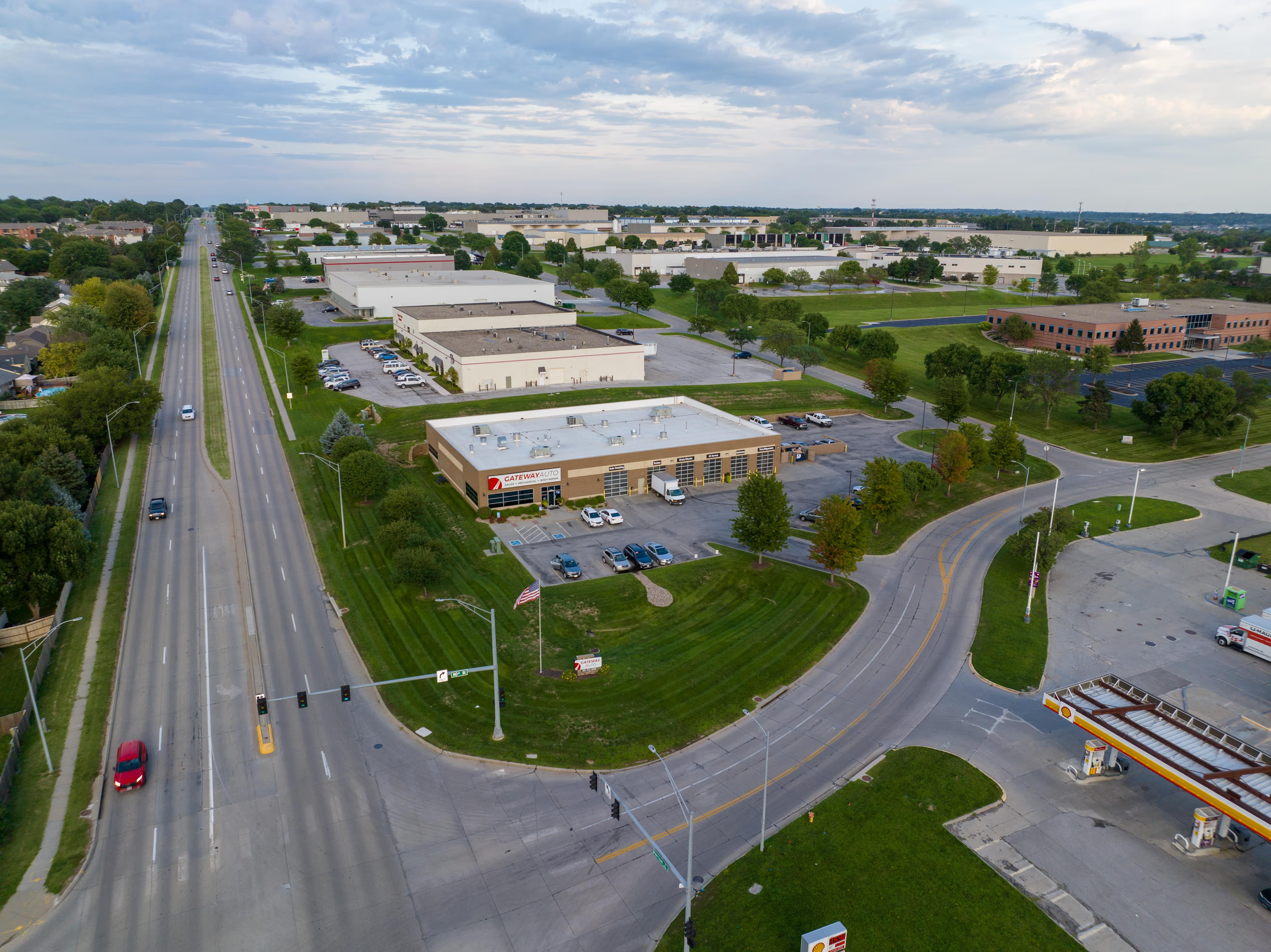
Gateway Auto Service & Collision Center at 110th & Harrison serves Omaha and La Vista from 10939 Harrison Street. The location offers cooling and heating system work, engine services, oil changes, and factory scheduled maintenance.
Call (402) 932-0500 or contact the team through the location page to discuss your symptoms and arrange service. If your vehicle has overheated, arrange safe transport instead of driving it to the shop. We’ll help you understand the recommended next steps so you can make an informed decision about your car’s care.
.avif)