


%2520(3).png)
How much does hail damage repair cost? A light job may run a few hundred dollars, while widespread dents can push the price into several thousand dollars. Severe cases involving cracked paint, broken glass, damaged trim, or panel replacement can cost even more.
There is no reliable flat rate because every storm leaves a different pattern. The number, size, depth, and location of the dents all matter. So do the vehicle's panel materials, access behind each panel, paint condition, and the repair method.
Paintless dent repair is often the lower-cost option when the factory finish is still intact and the metal can be worked back into shape. Conventional body work may be needed when the paint is cracked, the metal is sharply creased, or glass and trim also need attention.
Your out-of-pocket amount may be different from the full bill. If the loss is covered by your policy, the deductible, insurer figure, approved supplements, and final scope all affect what you pay. An in-person inspection is the best way to get a useful number for your car.
| Cost factor | Usually less involved | Usually more involved |
|---|---|---|
| Dent pattern | A few shallow marks on one accessible panel | Many deep or sharp marks across several panels |
| Paint and finish | Factory paint remains intact | Chips, cracks, stretching, or prior refinishing |
| Panel access | Open access behind the metal | Braces, edges, trim removal, or limited access |
| Related items | No glass, trim, or sensor concerns | Glass, moldings, cameras, or replacement pieces are involved |
A hands-on inspection is needed before a shop can confirm the method and price.
Paintless Dent Repair or Conventional Body Repair?
Paintless dent repair, commonly called PDR, reshapes qualifying metal panels without sanding, filler, or repainting. Specialized tools and lighting help the technician work each low spot from behind the panel or, in some cases, from the outside.
PDR is a strong fit when the paint remains sound, the metal has not been stretched too far, and the dent can be reached safely. It keeps the factory finish in place and can reduce labor, materials, and turnaround time compared with traditional refinishing. That often makes it the practical choice for hail work.
PDR is not right for every mark. A sharp crease near an edge, broken paint, a stretched panel, broken glass, or torn trim may call for conventional collision work. That process can include metal work, filler where appropriate, panel preparation, primer, color matching, clear coat, and replacement items.
Some vehicles need both methods. A roof and hood may qualify for PDR while one fender needs refinishing. A mixed plan can preserve sound factory paint where possible and still address areas that cannot be corrected with PDR techniques.
A trustworthy body shop should explain why each panel is assigned to a certain method. The decision should come from dent shape, paint condition, material, access, and the manufacturer's procedures, not from a one-size-fits-all package.
Turnaround depends on the whole plan, not only the number of marks. Removing a headliner, waiting for glass or molding, matching paint, and completing a calibration can extend the schedule. A shop should explain which steps are hands-on panel work and which depend on approvals or item availability.
Gateway Auto offers PDR for qualifying hail dents. Its collision team can also handle conventional work when a panel, finish, glass item, or trim piece needs a different approach.
What an Itemized Hail Estimate Should Show
A useful quote should identify the affected areas and the planned method for each one. It should also show labor, materials, replacement items, and work that may be needed after reassembly. A single total without that detail is hard to compare.
Lighting and cleanliness matter during the inspection. Fine dents can disappear in reflections, dust, or poor light. A trained estimator may use a striped reflection board or similar lighting to see the full pattern across the hood, roof, trunk, doors, rails, and fenders.
A clear quote may cover:
- The number and location of affected panels
- The PDR, refinishing, or replacement plan for each area
- Required removal and reinstallation of trim, liners, lights, or interior pieces
- Glass, molding, sensor, camera, and calibration work when applicable
- Labor, materials, taxes, and expected turnaround
- How newly documented damage or insurer supplements will be handled
An initial photo appraisal can be useful for starting an insurance claim, but it may not show every dent. Additional issues are sometimes found after cleaning, stronger lighting, or partial disassembly. A supplement is a documented change to the approved scope, not an automatic sign that the first assessment was careless.
Ask what could change the price before authorizing work. You should also know who will contact the insurer if the shop finds additional concerns and whether your approval is needed before the plan changes.
Insurance, Deductibles, and Total-Loss Decisions
Hail is commonly handled under optional coverage for weather and other non-collision losses. Coverage terms vary, so check the declarations page and talk with your carrier before assuming the claim will be paid. Liability-only policies generally do not pay for a hail loss to your own vehicle.
If the claim is covered, you usually pay the deductible listed for that coverage. The insurer then considers the approved amount above the deductible, subject to the policy. If the projected bill is lower than the deductible, filing may not result in a payment. Ask the carrier how your exact policy applies.
The initial insurer figure is not always the last number. A collision center may find dents under trim, damage that needs a different method, or items missing from the original scope. The shop can document those findings and request a supplement for review. The carrier decides whether the added work is covered.
A heavily affected car may be declared a total loss when the projected bill is too high compared with its value or when other state and policy rules apply. Exterior damage can add up quickly because hail often affects many panels at once. The insurer, not the collision center, makes the total-loss decision.
Paying without insurance can make sense when the bill is close to or below the deductible, but the choice depends on your budget and policy. Ask for a written quote before deciding. Also consider the vehicle's condition and resale plans, since leaving many dents in place can affect appearance and future value.
Keep the claim number, photographs, estimates, carrier messages, and receipts together. Review the deductible, rental coverage, facility choice, and any filing deadline. Gateway Auto can help document the condition and communicate about the work plan, but coverage questions still need to be confirmed with the insurer.
What to Do After an Omaha Hailstorm
Once the weather has passed and it is safe to go outside, look over the car in daylight. Do not rely on a quick glance from one angle. Hail marks can be hard to see on a dusty or reflective surface, especially along roof rails and panel contours.
A practical after-storm checklist:
- Photograph the full vehicle and each affected area before repairs begin
- Check the hood, roof, trunk, doors, rails, lights, mirrors, trim, and glass
- Avoid pressing dents out yourself because poor access or force can damage the finish
- Contact the insurer promptly and ask about deadlines, the deductible, and rental coverage
- Arrange an inspection with a qualified collision center and keep every document together
- Ask about scheduling early because local demand rises after a major Omaha storm
If glass is cracked or an opening is exposed, keep the interior dry and ask the shop or insurer about safe next steps. Do not climb onto the vehicle or work around broken glass to take extra photos.
The car may still drive normally even when the exterior has many dents. That does not mean every issue is purely cosmetic. Broken glass, sharp trim, broken lights, and some sensor concerns should be inspected before normal use continues.
Get a Hail Repair Quote From Gateway Auto
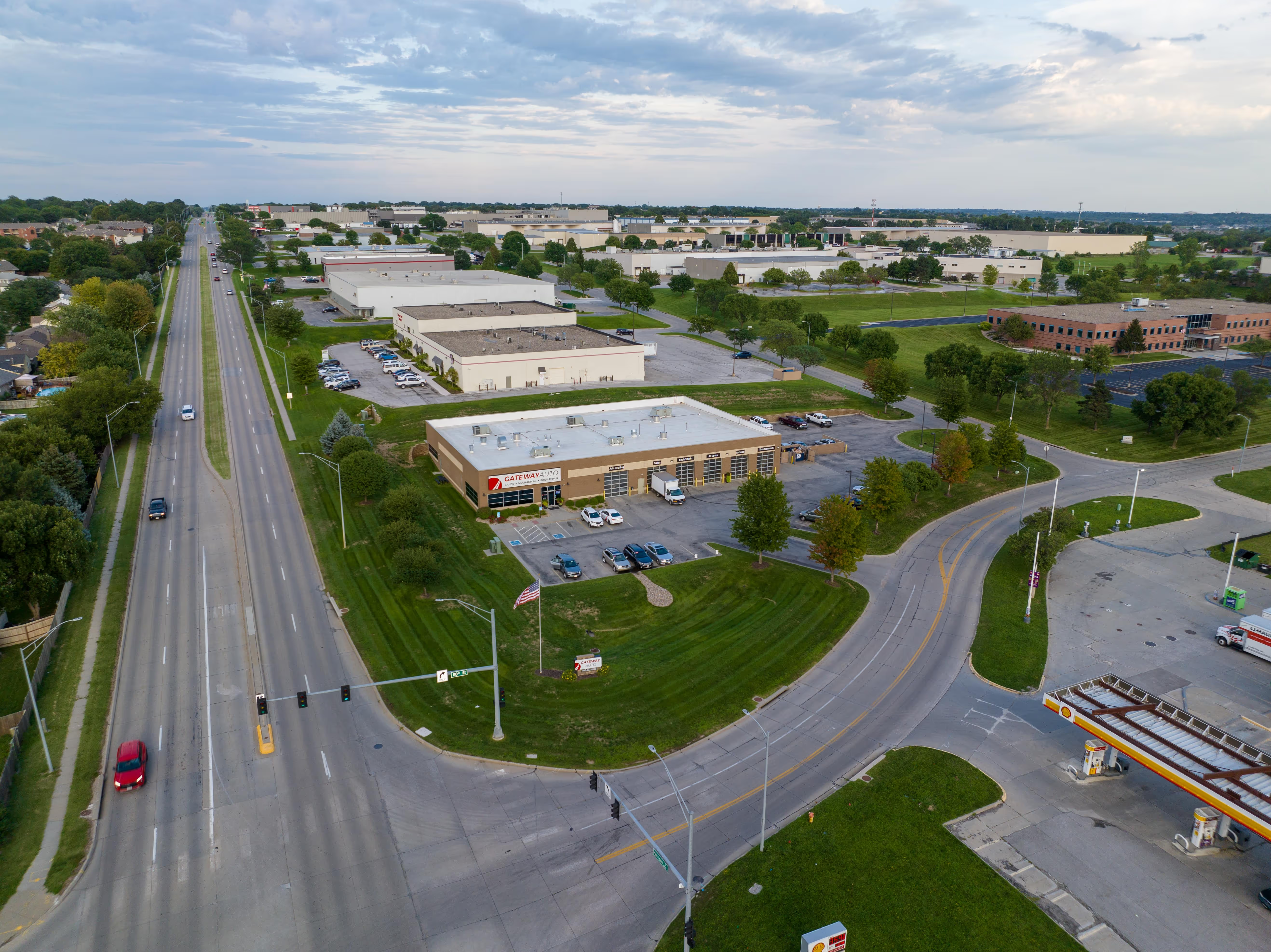
Gateway Auto has served Omaha-area drivers since 2002 and offers hail repair through its Service & Collision Center on Harrison Street in La Vista. The team can inspect the vehicle, explain whether PDR is a fit, and outline any conventional collision work that may be needed.
Gateway Auto is an I-CAR Gold Class collision center. That recognition reflects ongoing training across the collision team and gives customers a clear reason to choose a qualified local facility for hail and dent repair.
Schedule a free collision estimate online or call the Service & Collision Center at 402-932-0500. Bring the claim number and insurer paperwork if you have already reported the loss. If you have not filed, the team can still document the condition and explain the likely next steps.
You will receive a practical plan based on the actual dents, paint, panels, glass, and trim on your car. That is the best way to understand the likely final price and decide how to move forward.

.avif)
