If you hit a deer, the next steps are simple: get to a safe place, document the damage, report it if Nebraska law requires it, call your insurer, and get the car checked before you trust it on the roadway again. This guide walks through each step, including the Nebraska rules most guides leave out and what a body shop looks for after a deer strike.
1. Get to a safe place first
- Pull as far onto the shoulder as you safely can and turn on your hazard lights so other drivers can see you.
- Stay in your car until you know traffic is clear. An injured deer can kick and bite, so do not approach it or try to move it.
- If anyone has injuries, call 911.
- If the deer is lying in the roadway, call local law enforcement. Nebraska Game and Parks recommends this because a deer in a traffic lane puts the next driver at risk.
2. Document everything
Before you move the car, take photos of:
- Every damaged panel, close up and from a few steps back
- The road, the shoulder and any skid marks
- The deer, if you can photograph it safely from your car or the roadside
- The front of the car with the headlights on, so working or broken lights are on record
Note the time and the nearest mile marker or intersection. Your insurer will ask for both.
Even a minor incident is worth documenting. Damage behind a bumper cover often costs more than it looks from the outside.
3. Do you have to report hitting a deer in Nebraska?
Sometimes. Nebraska treats a deer strike like any other crash. It is reportable if someone is injured or killed, or if property damage reaches $2,000 or more to any one vehicle. (The threshold was $1,500 for crashes before July 18, 2026.)
If a reportable crash was not investigated by law enforcement, the driver must submit a Driver's Motor Vehicle Crash Report to the Nebraska Department of Transportation within 10 days. If an officer came to the scene and investigated, you do not need to file that report yourself.
A modern bumper, grille and headlight can pass $2,000 quickly, so assume a moderate deer hit is reportable unless an officer handled it.
4. Can you keep the deer?
In Nebraska, yes. The driver who hit the deer has first claim to it. If you take it, you must notify Nebraska Game and Parks within 24 hours, and the deer has to be tagged by a conservation officer within 48 hours of that notice. You can find a conservation officer at OutdoorNebraska.gov by searching "Officers."
5. Does car insurance cover hitting a deer?
Usually, if you carry comprehensive insurance. Most auto insurance policies treat deer collisions as a comprehensive claim, not a collision claim, and the same generally applies to collisions with other animals. A few things to know:
- Your comprehensive deductible applies. If the repair costs less than your deductible, the claim may not be worth filing.
- Swerving changes the claim. If you swerved to miss the deer and hit a guardrail, a tree or another car, that is usually a collision claim instead.
- Liability-only coverage won't fix your car. Liability pays for damage you cause to others. Without comprehensive coverage, the repair is out of pocket.
- Rate impact depends on your insurer. Ask yours how a comprehensive claim affects your premium.
Your insurer may suggest a shop, but in Nebraska you choose where your car is repaired.
6. Is it safe to drive after an animal collision?
Not always, and the damage is not always obvious. A deer usually hits the front of the car, where the lights, cooling system and safety sensors are packed together. Before you drive any distance, check:
- Headlights. Both need to work and point straight ahead. A cracked housing can let water in and fail later.
- Coolant. Look under the front of the car for green, orange or pink fluid. A cracked radiator can overheat the engine within a few miles.
- The hood. If it does not latch firmly, do not drive. A hood that flies up at highway speed blocks your view completely.
- Tires and wheels. Look for a fender pushed into the tire, rubbing sounds, or a pull in the steering.
- Warning lights. A new airbag, check engine or driver-assist warning is a reason to stop.
If any of these fail, wait at the roadside in a safe place and have the car towed. Gateway works with Arrow Towing in Omaha to bring cars that cannot be driven to our shop.
Sensor damage is easy to miss. Many newer cars have radar and cameras behind the grille, the bumper cover and the windshield for adaptive cruise, automatic braking and lane keeping. A deer can knock them out of position without leaving much visible damage.
After the repair, those sensors may need to be calibrated so the safety systems work as designed.
7. What deer collision repair looks like at Gateway
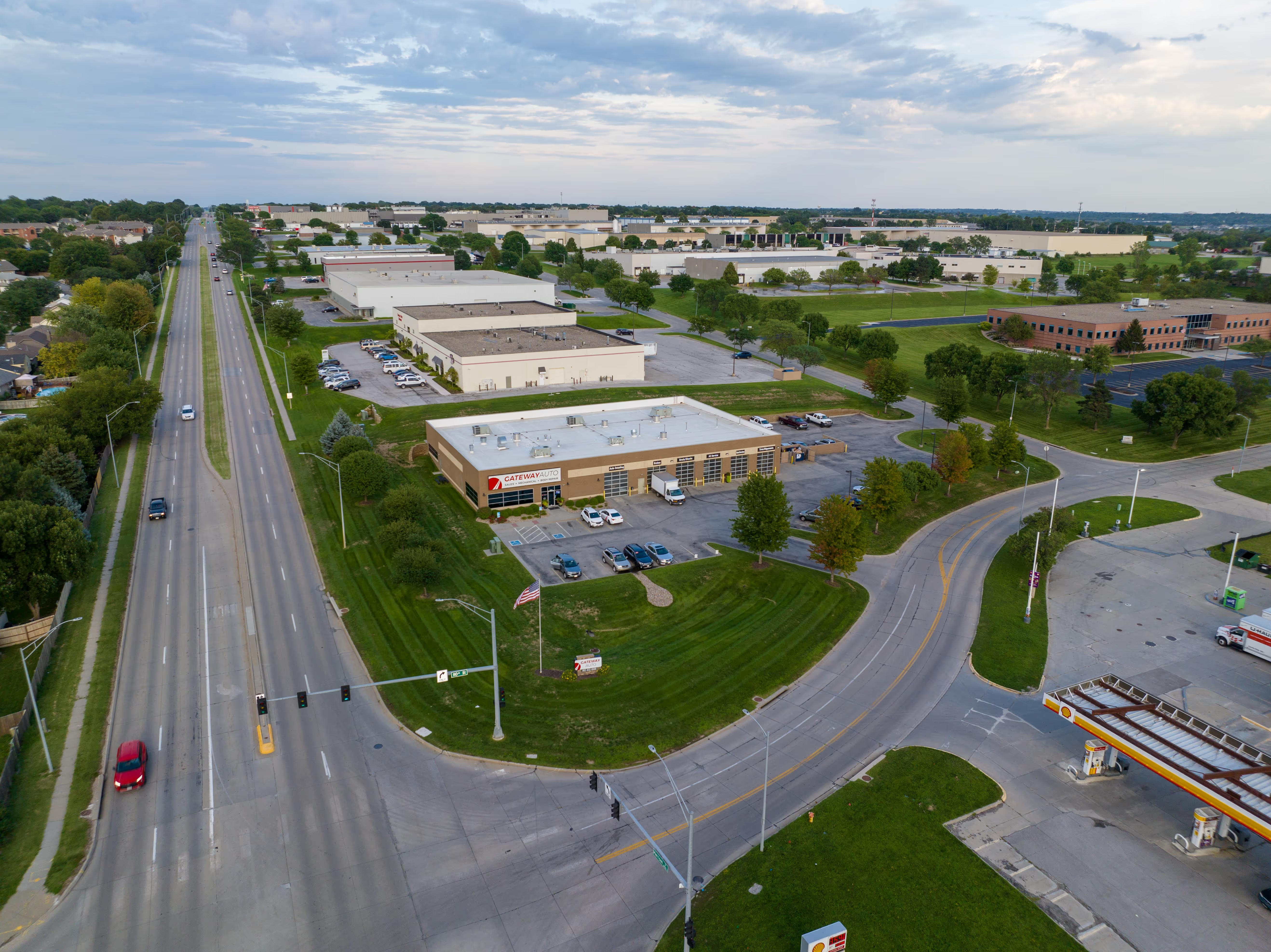
Our collision center at 110th and Harrison in La Vista repairs deer damage for drivers across Omaha. Here is what to expect:
- Free estimate, no appointment. Drive in during business hours, or start with photos online.
- We work with every insurance company and handle the claim paperwork with you.
- Rental on site. Enterprise rentals are picked up and dropped off at our shop.
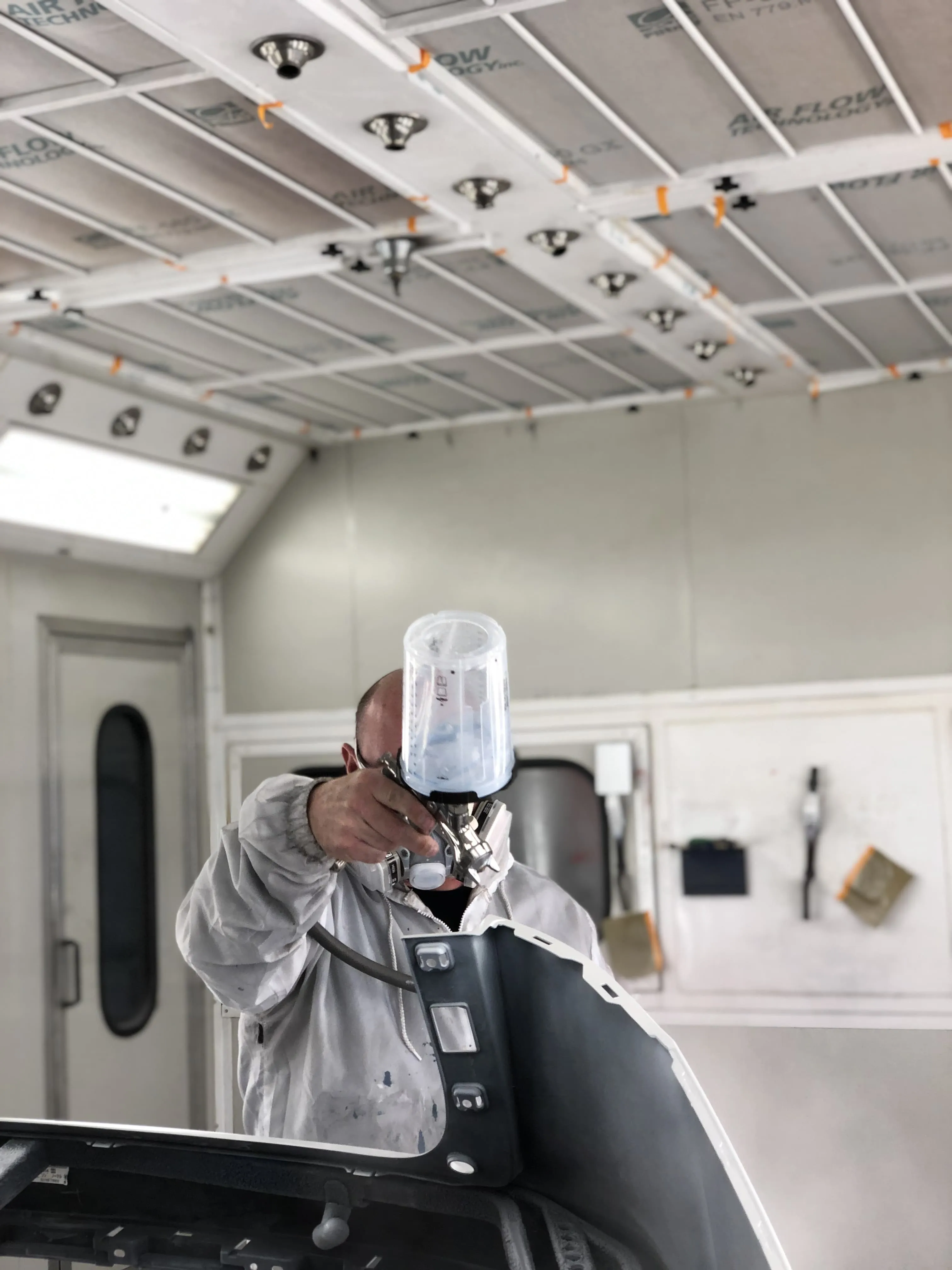
- Teardown finds what photos miss. Once the bumper cover comes off, we document any added damage and send it to your insurer before it is repaired.
- ADAS calibration at our shop, so your driver-assist systems are checked before you get the car back.
- Lifetime warranty on body labor, for as long as you own the vehicle.
8. When are deer collisions most likely on Nebraska roads?
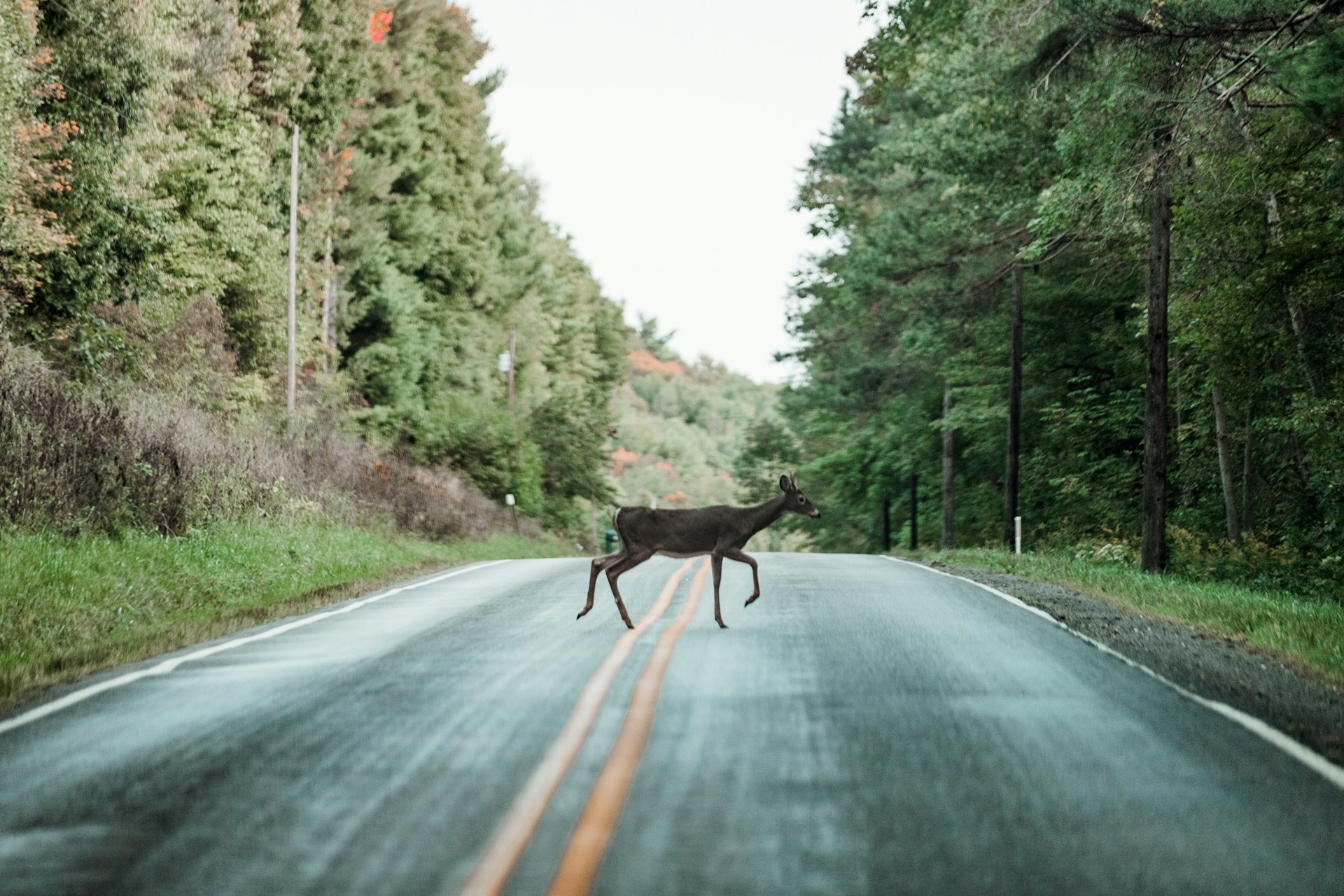
Fall is peak season for deer crashes. Mating season makes bucks bolder and less cautious, and harvest pushes deer out of fields and toward roads, so the number of deer near traffic goes up. Deer and other wildlife are most active from dusk to dawn.
Nebraska Game and Parks offers these tips to lower your risk of deer vehicle collisions:
- Slow down near shelterbelts, woodlots, rivers and creeks, especially in the early morning and evening.
- Pay attention in areas marked with deer crossing signs.
- Use your high beams when there is no oncoming traffic.
- If you see one deer, expect more behind it.
- Honk and flash your high beams to scare a deer off the road.
- Brake firmly but stay in your lane. Braking hard or swerving can cause a loss of control or a rollover.
A State Farm report covering July 2024 to June 2025 put a Nebraska driver's odds of hitting an animal at 1 in 155, compared with 1 in 128 nationally. That is lower than average, but still common enough that most Nebraska drivers will deal with it eventually.
Frequently asked questions
Is hitting a deer an at-fault accident?
Usually not. A deer strike is typically a comprehensive claim, not an at-fault car accident. Swerving into another object can change that, and how it affects your rate depends on your insurer.
Do I need a police report if I hit a deer?
Call local law enforcement if anyone is hurt or the deer is blocking the road. If damage to any one vehicle is $2,000 or more and no officer investigated, you must file a crash report with NDOT within 10 days. A report also helps document your insurance claim.
Can I drive away after hitting a deer?
If no one is hurt and your car passes the checks above, you can usually continue on. If the deer is blocking a lane, call local law enforcement first so other drivers are not put at risk. If the damage reaches $2,000 and no officer investigated, you still owe NDOT a crash report within 10 days.
What if the deer is still alive?
Do not approach it or try to move it. An injured deer can kick and bite. Stay in your car and call local law enforcement to handle it.
What if the deer ran away?
Your damage is handled the same way. Photograph the car and the scene, note where it happened, and report it to your insurer.
How long do I have to tell my insurance company?
It depends on your policy, so call as soon as you can. Waiting can make the claim harder to document.
Do I need an appointment for a deer damage estimate?
No. Gateway's collision estimates are free and walk-in at 10939 Harrison St in La Vista. Call (402) 932-0500 with questions.
Written by Ben Toscano, co-owner of Gateway Auto, a family-owned repair and collision shop serving Omaha since 2002.