Bumper damage after collision can look simple from the outside. A small scrape, dent, or cracked plastic cover may seem like a cosmetic problem, especially after a low-speed accident. The concern is that bumpers are designed to absorb impact, protect nearby parts, and support sensors and safety features found on many modern vehicles.
After a car accident, the visible damage does not always tell the full story. A damaged bumper may hide broken brackets, crushed absorber material, sensor trouble, paint damage, or frame damage. That is why a professional inspection matters, even when the vehicle still drives normally.
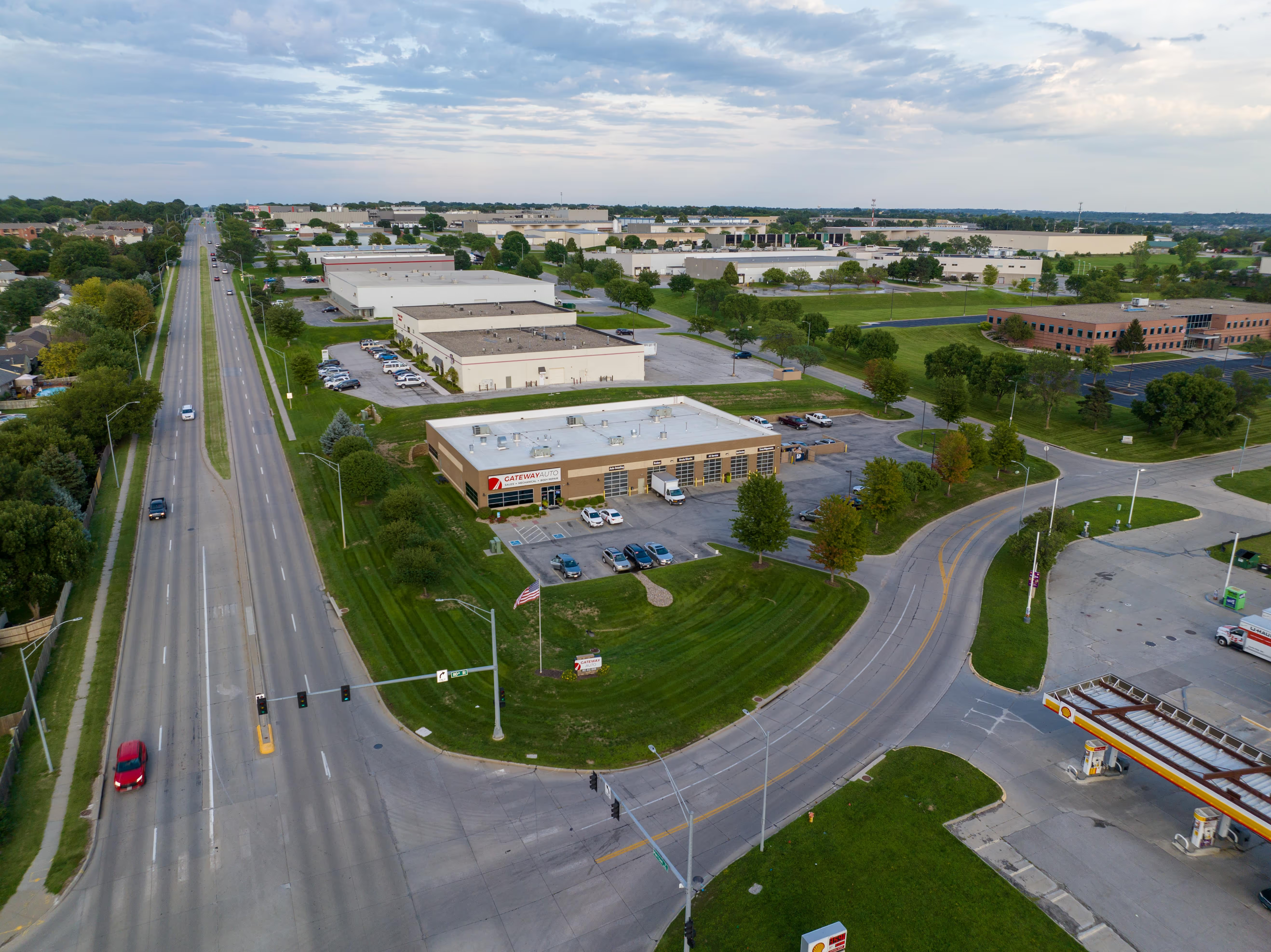
Gateway Auto helps Omaha drivers understand what happened, what needs attention, and what can wait. Our team handles collision repair, body repair, auto repair, detailing, and related services under one trusted local brand. Whether you need an estimate, help with an insurance claim, or guidance on bumper repair versus replacement, our goal is to make the process clear and manageable from the first conversation.
Common Causes of Bumper Damage in Omaha Collisions
Bumpers take the first hit in many everyday accidents. Parking lot taps, driveway backing mistakes, icy-road slides, curb impacts, and rear-end collisions can all leave behind visible or hidden damage.
Rear-end collisions are another leading cause of bumper damage because the bumper is built to absorb force before it reaches the rest of the vehicle. Even at lower speeds, the impact can bend supports, crack plastic, push the bumper cover out of alignment, or damage clips and fasteners behind the surface.
Front bumper damage can happen when a driver hits another vehicle, a snowbank, a parking block, road debris, or a fixed object. In Omaha, winter weather adds risk because slick roads can reduce stopping control. Heavy traffic near schools, shopping centers, and busy intersections can also increase the chance of a low-speed accident.
Bumper damage may also come from impacts that seem minor at first. A small parking lot bump can scuff paint or loosen a mounting tab. A hard pothole or curb strike can shift nearby panels or affect how the bumper lines up with the fender. If the bumper appears wavy, loose, cracked, or uneven, there may be more serious damage behind it.
Common causes include:
- Stop-and-go traffic and rear-end impacts
- Backing into another vehicle, wall, post, or garage door
- Sliding on ice, snow, or wet pavement
- Hitting a curb, parking block, or road debris
- Parking lot dents, scrapes, and door-area impacts
- Previous repair work that did not restore proper alignment
A bumper protects the vehicle best when it fits correctly, and the parts underneath are intact. If the bumper looks loose or shifted after an accident, schedule a body shop inspection before assuming the damage is only cosmetic.
Types of Bumper Damage and What They May Mean
Not all bumper damage requires the same repair. Some issues can be corrected with dent repair, paint work, or minor bumper repair. Others may call for bumper replacement, sensor service, or structural work.
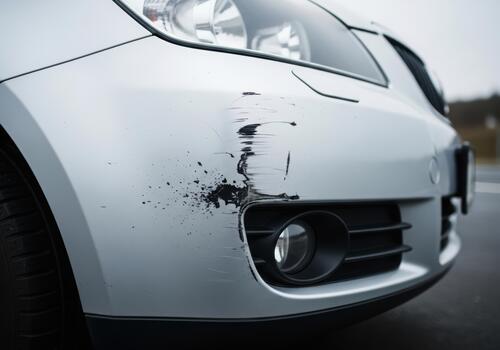
Scratches and paint transfer are common after parking lot contact or a light scrape. These marks may affect the paint surface only, but deeper scratches can expose plastic and lead to peeling or a rough finish.
Small dents may be repairable if the plastic has not cracked and the bumper cover still holds its shape. Paintless dent repair may help in some cases, depending on the location, depth, and material.
Cracks and splits are more serious. A cracked bumper may no longer absorb impact the way it should. Cracks can also spread with road vibration, temperature changes, or another small impact.
Loose or misaligned bumpers often point to broken clips, bent brackets, damaged mounting points, or impact absorber problems. If the gap between the bumper and nearby panels looks uneven, the underlying structure should be checked.
Sensor or light problems may appear after a collision, especially on vehicles with parking sensors, blind spot sensors, cameras, fog lights, or driver-assist features located near the bumper. A sensor can look fine but still needs testing, repair, or calibration.
- Light scuffs or paint transfer: Shows up as marks on the bumper cover. Usually resolved with cleaning, buffing, paint touch-up, or refinishing.
- Small dents: Shallow dents with no cracking. Often fixed with dent repair or paintless dent repair when suitable.
- Cracked bumper: Split plastic, a broken edge, or a spreading crack. May need bumper repair or replacement, depending on severity.
- Loose bumper: Gaps, sagging, rattling, or poor fit. Usually a bracket, clip, or mounting point repair.
- Hidden impact damage: The bumper looks acceptable but feels unstable. Needs an internal inspection, plus an absorber or reinforcement bar check.
- Sensor trouble: Warning lights, parking alert issues, and camera problems. Needs diagnostic testing, repair, and calibration if needed.
A visual check helps, but it cannot confirm whether the reinforcement bar, absorber, or mounting points are still doing their job. That is where a trained auto body technician can give you a clearer answer.
Hidden Damage Behind Your Bumper
A bumper system has several layers. The outside bumper cover is usually plastic, but behind it may be energy absorber foam, brackets, mounting points, sensors, wiring, and a reinforcement bar. On some vehicles, nearby parts may include lights, cooling components, blind spot monitoring sensors, and other safety-related systems.
Internal bumper damage isn't visible in many accidents. The outside may pop back into place, while parts behind it remain bent, crushed, cracked, or loose. This can reduce impact protection if another collision happens later.
A damaged bumper may also affect how the vehicle tracks or how panels line up. If the impact was strong enough, frame damage may be possible. Frame or structural damage can affect alignment, tire wear, handling, door gaps, panel fit, and future crash protection. It should never be guessed at from the outside.
Signs that hidden damage may be present include:
- The bumper sits lower on one side or has uneven gaps.
- The trunk, hatch, hood, or nearby doors do not close smoothly.
- You hear rattling, rubbing, or scraping after the accident.
- Parking sensors, cameras, or warning systems act differently.
- Paint is cracked around the bumper edge or panel seams.
- The vehicle pulls, vibrates, or feels different while driving.
- The bumper cover feels loose when lightly pressed.
If another driver caused the accident, take photos and document the scene before repairs begin. If you plan to file an insurance claim, keep copies of the estimate, photos, police report if available, and communication from the insurer.
Gateway Auto can inspect visible and hidden damage, explain what the estimate includes, and help you understand what the vehicle needs to return to safe, clean, proper condition.
Bumper Repair vs Bumper Replacement
Many drivers want to know whether bumper repair is enough or whether bumper replacement is the better option. The answer depends on the material, severity, safety concerns, paint condition, sensor placement, and cost.
Repair may be the right path when the damage is limited to light scratches, shallow dents, small scuffs, or minor cosmetic issues. If the bumper cover is still shaped correctly, mounting points are sound, and the absorber behind it is not compromised, repair can often restore appearance and function.
Replacement may be needed when the bumper is cracked, torn, badly warped, missing pieces, or unable to mount securely. Replacement is also common when the repair cost approaches the cost of installing a new cover or when hidden parts were damaged in the collision.
The reinforcement bar and absorber are important parts of the decision. These components help manage crash energy. If they are bent, crushed, or weakened, a cosmetic repair to the outer bumper cover will not address the real issue.
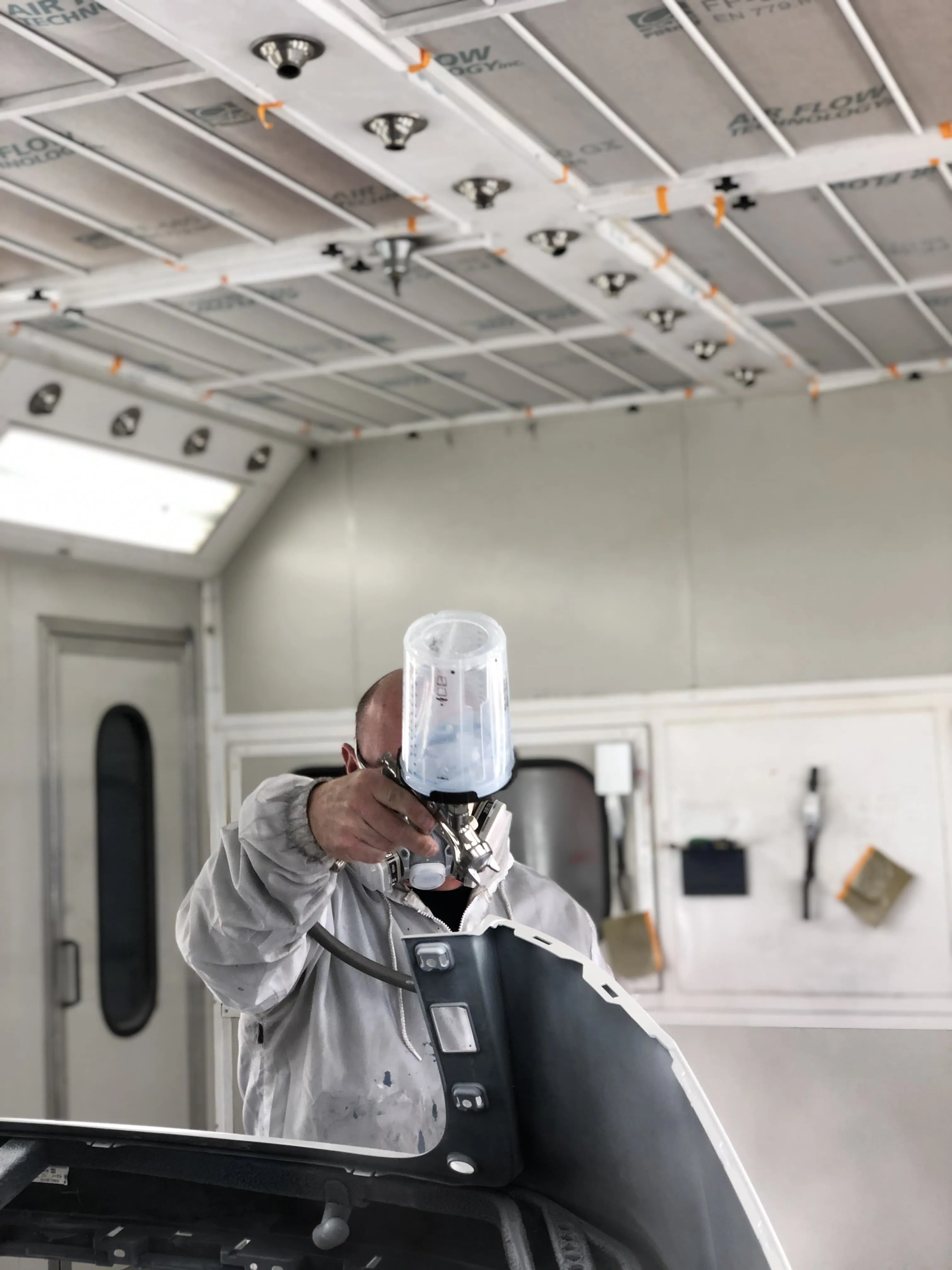
Paint work can also influence the repair plan. Some damage requires sanding, filling, priming, color matching, blending, and refinishing. A quality body repair process should focus on fit, finish, safety, and long-term durability.
Cost can vary based on:
- Vehicle make, model, and bumper design
- Damage depth and size
- Paint color and finish
- Sensor, camera, or light involvement
- Whether brackets, absorber foam, or reinforcement parts are damaged
- Labor time, parts availability, and insurance requirements
Omaha drivers should avoid choosing the cheapest fix without confirming what is underneath the bumper cover. A low price may not include hidden damage, sensor concerns, or proper paint matching. A clear estimate from a repair center helps you compare repair paths with confidence.
Insurance, Claims, and Body Repair in Omaha
Bumper damage after an accident often leads to one big question: Should you go through insurance or pay out of pocket? The right answer depends on fault, deductible, repair cost, coverage, and whether another driver was involved.
If the other driver was at fault, you're generally covered through their liability insurance, assuming coverage applies and the claim is accepted. If you caused the accident or no other driver was involved, collision coverage may apply if it is part of your policy. Deductibles and policy details can change the best financial choice.
It may be worth going through insurance for bumper repair when the estimate is higher than your deductible, hidden damage is likely, sensors are involved, or the accident includes another driver. Paying out of pocket may make sense for minor cosmetic damage when the cost is low and there are no safety concerns. A written estimate helps you make that decision.
Gateway Auto works with drivers and insurance companies to make the repair process easier. A good body shop can document damage, prepare an estimate, explain needed repairs, and communicate with the insurance company when appropriate. You still have the right to choose the repair facility you trust.
The body repair process may include:
- Initial estimate: The technician reviews visible bumper damage, takes photos, and notes related concerns.
- Insurance coordination: If a claim is involved, the repair center may help provide documentation and repair details.
- Disassembly when needed: The bumper cover may be removed to inspect hidden damage.
- Repair planning: The team determines whether repair, refinishing, part replacement, or structural work is needed.
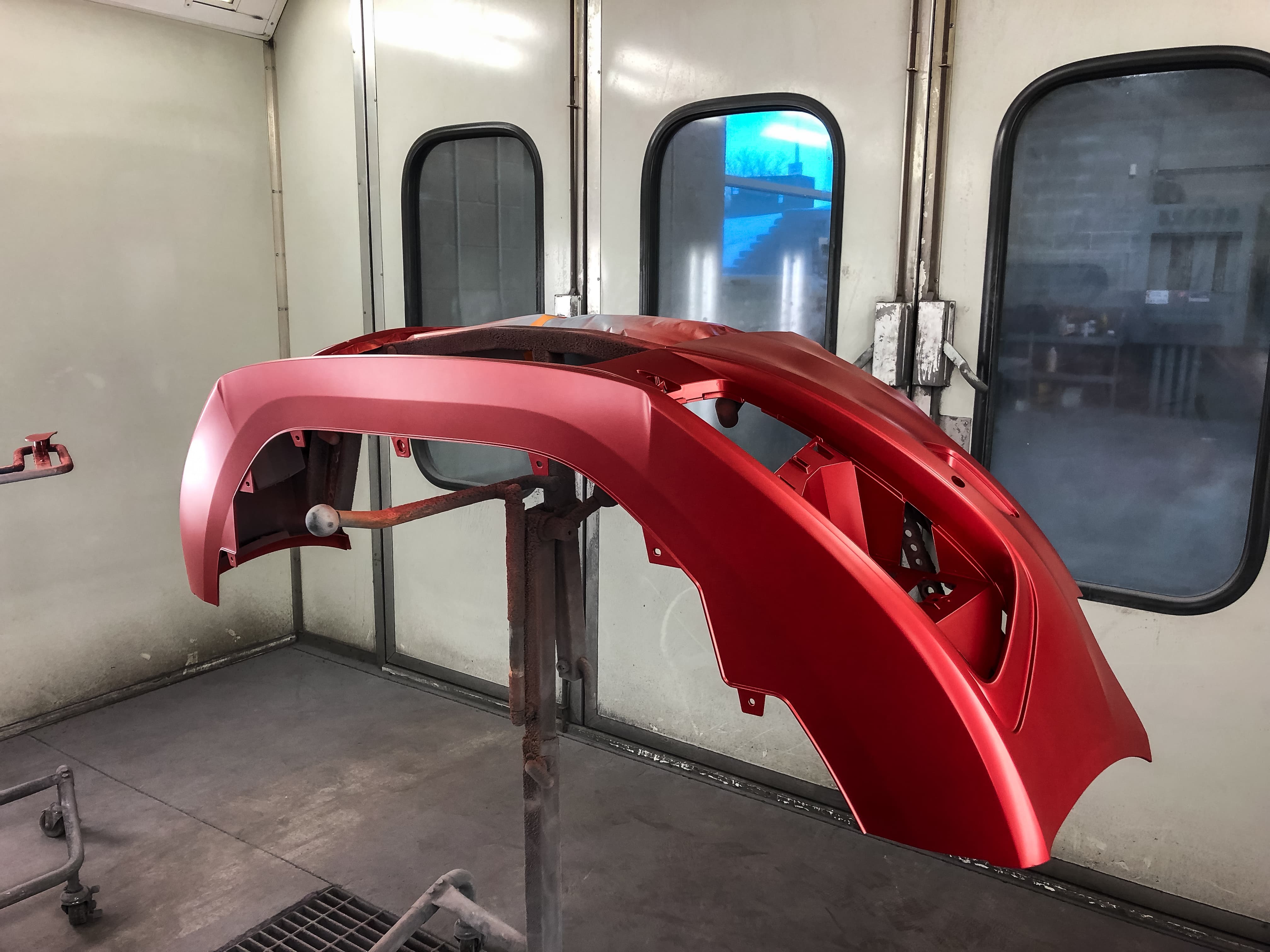
- Paint and body work: The bumper and nearby panels are repaired, fitted, painted, and finished.
- Quality check: The vehicle is reviewed for fit, finish, safety, and function before delivery.
A trusted repair center should give clear updates and avoid vague explanations. You should know what is being repaired, why it matters, how long it may take, and whether the work affects safety, appearance, or both.
Gateway Auto’s all-in-one setup is helpful after a collision because drivers may need body repair, auto repair, detailing, paint work, or related service in one place. That makes it easier to address the full vehicle instead of only the most obvious dent.
Schedule a Bumper Inspection With Gateway Auto
A bumper is built to do a job. After a collision, it should be inspected before you trust it to protect the vehicle again. Small scuffs may only need paint or dent repair, but cracks, loose mounting points, sensor issues, and hidden structural concerns require closer attention.
Gateway Auto helps Omaha, La Vista, Millard, Papillion, and nearby drivers move from uncertainty to a clear repair plan. Our collision team can inspect your bumper, check for hidden damage, explain repair versus replacement, and help you understand insurance next steps. We focus on honest recommendations, clear communication, and work that supports both appearance and safety.
.avif)