
What is Collision Repair?
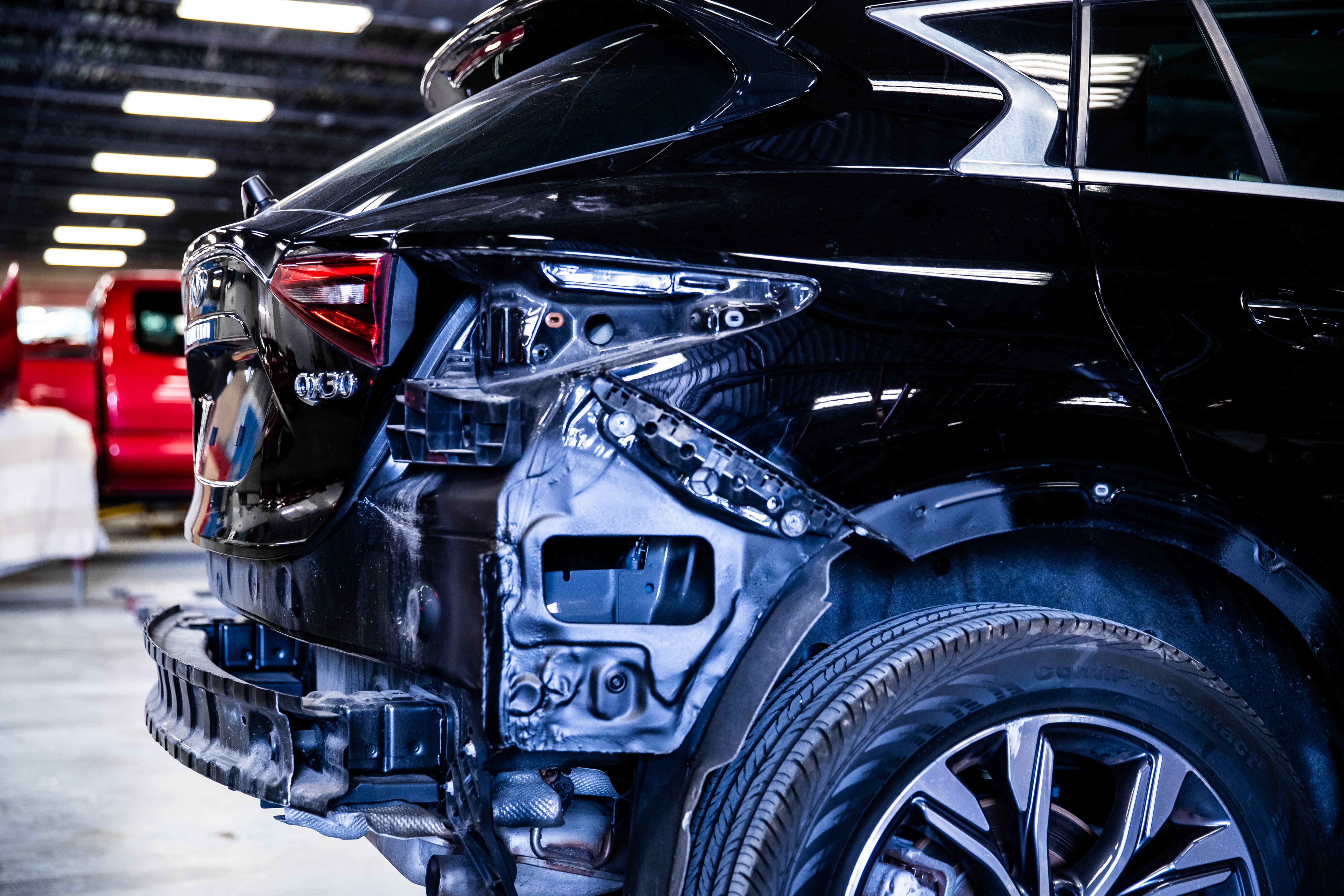
If you are wondering, “what is collision repair,” it is the process of restoring a vehicle after an accident, impact, hail event, or other body collision damage. It can include dent removal, bumper repair, auto body painting, structural repair, glass replacement, part replacement, sensor checks, mechanical service, and final quality inspection.
For many drivers, the first question after a crash is simple: Can this car be fixed safely? The answer depends on the type of damage, where the impact happened, whether the structure was affected, and what systems are built into the vehicle. Modern cars often include cameras, sensors, safety restraints, advanced metals, and electronic features that require careful inspection after a collision.
Gateway Auto helps Omaha drivers understand the full process with honest estimates, clear communication, and repair work designed to restore your vehicle’s safety, appearance, and value. As an all-in-one automotive center, Gateway Auto can help with collision repair, body repair, mechanical service, detailing, and insurance-related repair steps in one place.
Collision Repair and Auto Body Repair Explained
Collision repair is the process of repairing damage caused by a crash, impact, or accident so the vehicle can return as close as possible to its pre-accident condition. The work may involve visible areas, such as bumpers, doors, fenders, quarter panels, hoods, paint, and trim. It may also involve hidden areas, such as brackets, frame sections, reinforcement bars, sensors, wiring, suspension parts, and safety systems.
Auto body repair is closely related. It focuses on the exterior panels, paint, fit, finish, dents, scratches, and body structure. In many cases, body repair is part of a collision repair plan. If the accident also affects drivability, steering, suspension, cooling, brakes, or warning lights, mechanical auto repair may be needed, too.
This is where the right repair shop matters. A quality collision shop not only makes the vehicle look better, but also checks whether the car is safe to drive, whether parts line up properly, whether structural areas are within specification, and whether the vehicle’s systems are working as they should.
Collision repair may include:
- Damage inspection and written estimate
- Bumper, fender, hood, door, or panel repair
- Paintless dent repair when suitable
- Auto body painting and color matching
- Structural repair and frame measuring
- Replacement of damaged collision parts
- Windshield, mirror, lamp, or trim replacement
- Sensor, camera, or warning light checks
- Mechanical inspection when the impact affects drivability
- Final fit, finish, and safety review
The goal is to ensure vehicles look right, drive correctly, and provide proper protection after the work is complete. That takes skill, training, equipment, and a process that looks beyond surface damage.
Collision Shop vs Auto Repair Shop
A general auto repair shop usually handles mechanical problems. That can include oil changes, brakes, tires, suspension, diagnostics, batteries, belts, hoses, engine work, and routine service. A collision shop focuses on damage caused by an accident or impact.
The difference matters because accident damage can involve both body and mechanical systems. For example, a front-end collision may damage the bumper cover, grille, radiator support, headlights, cooling system, sensors, alignment, and hood latch area. A rear impact may affect the bumper, trunk floor, backup sensors, exhaust, quarter panels, or frame rails. A side impact may involve doors, rocker panels, airbags, seatbelt systems, and structural reinforcements.
Some body shops focus only on exterior repairs. Gateway Auto offers a broader approach by combining collision service, mechanical auto repair, body repair, detailing, fleet service, and vehicle sales under one local Omaha brand. That helps drivers avoid bouncing between multiple places after an accident.
- Dents, scratches, and body panel damage: Handled by the collision shop, which repairs or replaces damaged body panels. Not usually the auto repair shop’s main service.
- Paint damage: Handled by the collision shop, which matches, refinishes, and blends paint. Not usually the auto repair shop’s main service.
- Frame or structural concerns: The collision shop measures and performs structural repair, while auto repair may inspect related mechanical symptoms.
- Warning lights after impact: The collision shop checks collision-related system issues, while auto repair runs diagnostics and mechanical testing.
- Suspension or alignment problems: The collision shop identifies impact-related body concerns, while auto repair handles the steering, suspension, and alignment repairs.
- Bumper, lamp, mirror, or trim replacement: The collision shop replaces and fits exterior parts, and auto repair may assist with any electrical or sensor issues.
- Engine, brake, or cooling system damage: The collision shop notes accident-related concerns, while auto repair performs the mechanical repair as needed.
When a repair center can evaluate both areas, drivers get a clearer picture of what the accident affected. That can lead to a better estimate, fewer delays, and safer results. Luckily, here at Gateway Auto Service & Collision Center, we have both mechanical and body repair under one roof.
The Full Process From Estimate to Delivery
The collision repair process starts with an estimate. A technician reviews the visible damage, takes photos, identifies affected panels or parts, and prepares a repair plan. Some estimates can begin with visible damage, but hidden damage may appear after disassembly.
Gateway Auto offers free body repair estimates, including no-appointment-needed options, so Omaha drivers can get clarity before deciding what to do next. An estimate helps you understand the likely scope of work, whether insurance may be involved, and whether the vehicle is safe to keep driving.
After the estimate, the repair shop may coordinate with your insurance company if a claim is involved. Collision insurance may help pay for repairs depending on your policy, deductible, and accident details. If another driver was at fault, that driver’s insurance may be part of the process. The repair center can help document damage and communicate repair needs, but your insurer determines claim coverage based on your policy and the facts of the accident.
The full process often includes these steps:
- Damage review: The vehicle is inspected and photographed.
- Written estimate: The shop prepares an itemized repair plan.
- Insurance review: The estimate is shared with the insurance company when a claim is involved.
- Disassembly: Damaged parts may be removed so hidden damage can be seen.
- Supplement review: The shop documents additional damage found after teardown.
- Body and structural work: Panels, frame areas, and body components are repaired or replaced.
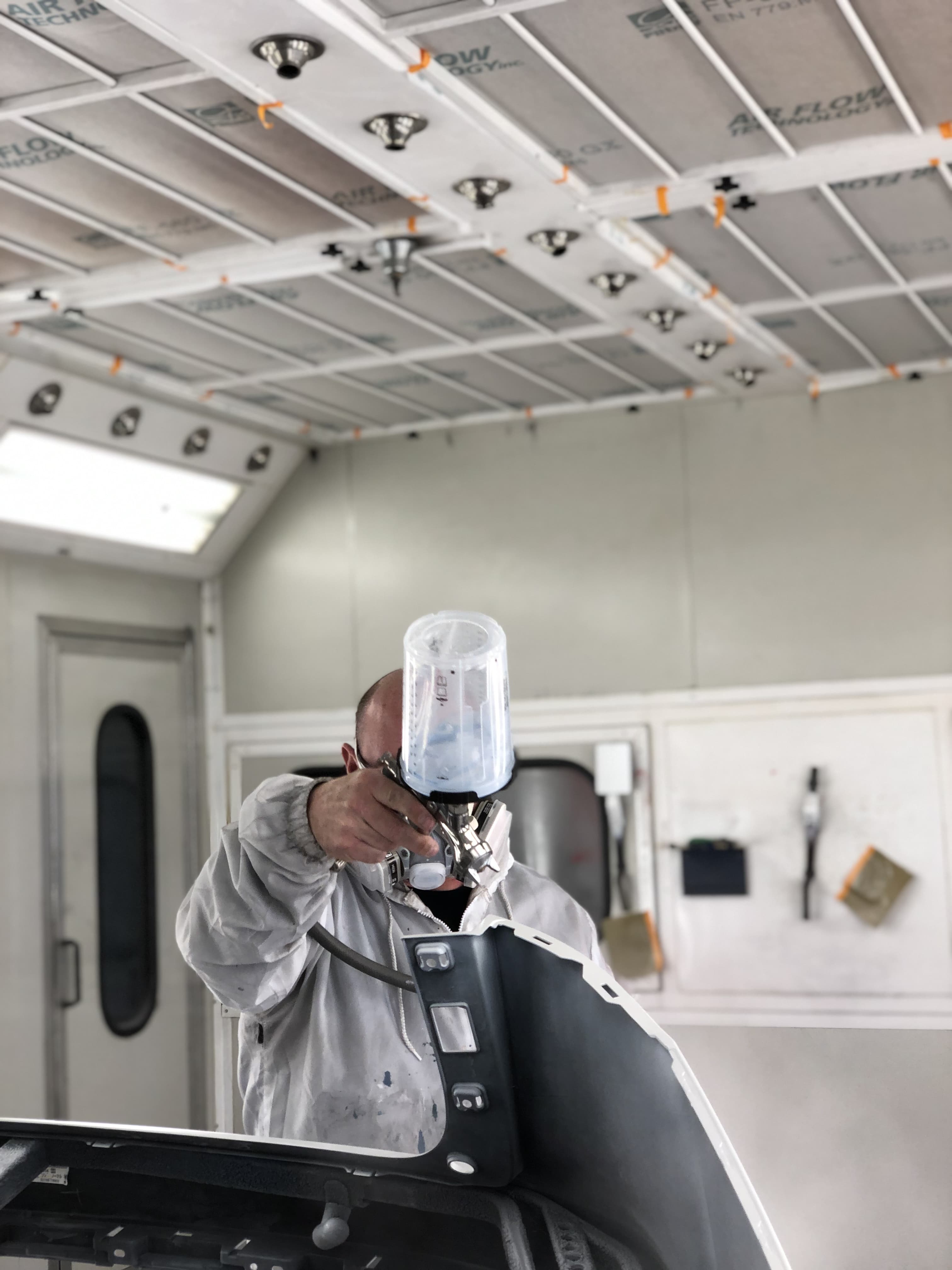
- Paint preparation: Surfaces are sanded, primed, masked, and prepared for refinishing.
- Painting and refinishing: Paint is matched, applied, blended, and finished.
- Reassembly: Parts, trim, lamps, sensors, and hardware are reinstalled.
- Quality check: The vehicle is inspected for fit, finish, function, and cleanliness.
This full process helps restore your vehicle in a way that considers safety, appearance, and long-term reliability. Rushing or skipping steps can leave hidden damage unresolved.
Body Collision Damage and Structural Repair
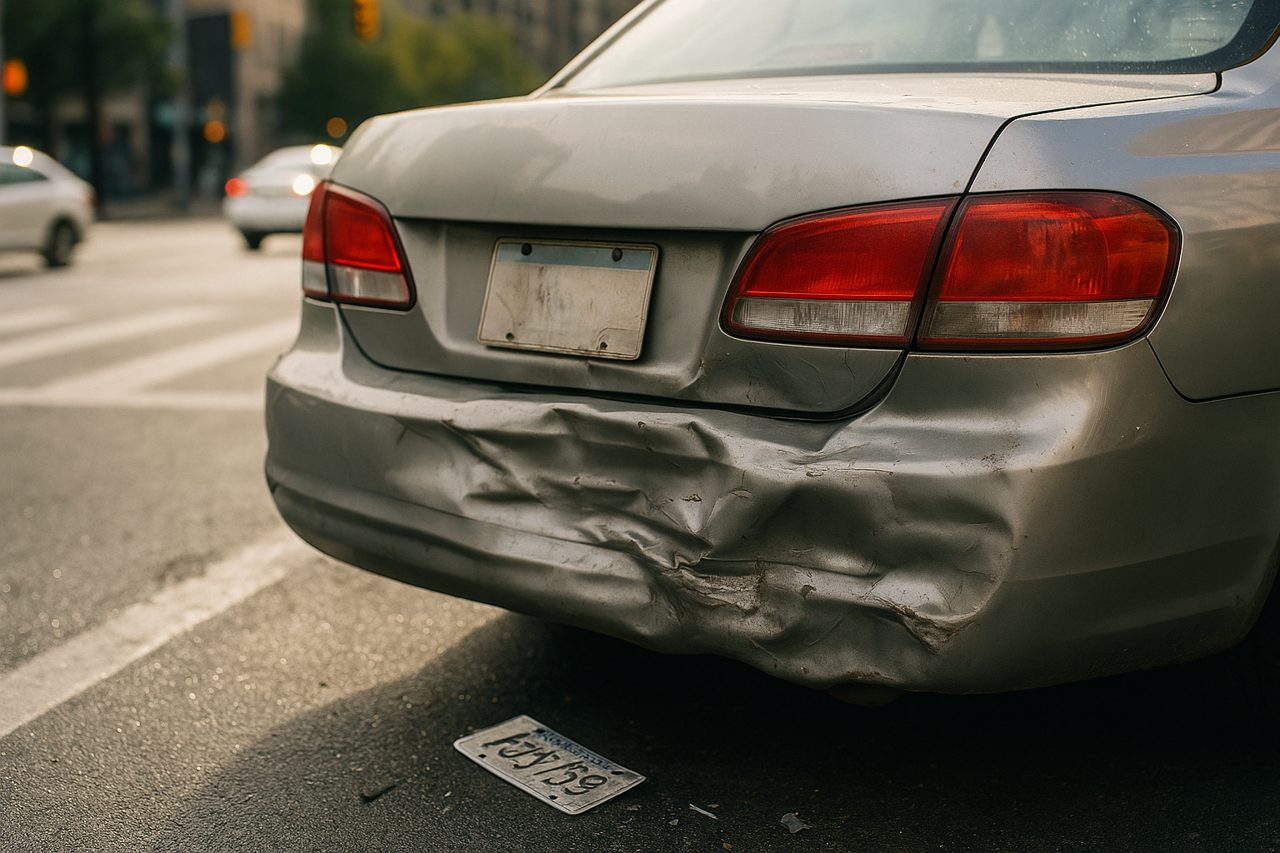
Body collision damage can range from minor dents to major structural damage. A small scrape may only need paintwork. A hard impact may require panel replacement, measuring, welding, frame alignment, or structural repair.
The body of a modern car is engineered to manage crash energy. Certain areas are designed to absorb force, while other areas help protect passengers. When those areas are damaged, the repair must follow proper procedures so the vehicle can perform as designed.
Structural repair may involve frame rails, radiator supports, rocker panels, pillars, floor sections, aprons, or other load-bearing areas. These repairs require accurate measuring, specialized tools, training, and manufacturer-based repair information. If a structural repair is not done correctly, the car may not align properly, tires may wear unevenly, doors may not close properly, and crash protection may be reduced.
Signs of structural damage may be present include uneven gaps around doors or panels, steering pull, visible buckling, trunk or hood misalignment, unusual tire wear, or the vehicle sitting unevenly. Sometimes the damage is not obvious until trim, bumpers, or panels are removed.
Body repair also includes cosmetic and functional restoration. Technicians may repair dents, replace panels, smooth surfaces, apply primer, match paint, and restore exterior fit. The best results should look natural, with panels aligned cleanly and paint blended into the original finish.
Gateway Auto’s collision team understands that restoring safety and appearance go together. A vehicle should not only look better after repair. It should drive correctly, close properly, protect occupants as intended, and help you feel confident getting back on Omaha roads.
Parts, Paint, Glass, and Technology
Collision repair often requires decisions about parts. Depending on the repair plan, your vehicle may need OEM parts, certified replacement parts, recycled parts, or repaired original parts. OEM parts are made by the vehicle manufacturer. Other quality replacement parts may be used depending on the insurance policy, vehicle needs, part availability, and customer preference.
Paintwork is another major part of auto body repair. Matching a vehicle’s finish is not as simple as using the color name. Paint can fade with age, vary by production batch, and change under different lighting. Skilled refinish technicians use paint codes, color tools, blending techniques, and finish work to make repaired areas match the rest of the vehicle.
Glass and sensors may also be involved. Some accidents damage the windshield, mirrors, lights, cameras, or parking sensors. A modern bumper may house sensors for driver-assist features. A windshield may support cameras used for safety systems. If these parts are affected, repair work may include diagnostics, replacement, and calibration.
Common technology-related repair needs include:
- Parking sensor inspection
- Backup camera checks
- Blind spot monitoring concerns
- Headlamp or taillamp replacement
- Airbag or seatbelt warning light checks
- Windshield camera or glass replacement
- Wiring and connector inspection
- Post-repair scans when needed
This is one reason collision repair is not only cosmetic. A vehicle can look repaired while still having a warning light, sensor issue, or safety feature problem. A careful shop checks the details that affect how the car performs after the body work is done.
Insurance, Cost, and Choosing a Repair Shop
Collision repair cost depends on the vehicle, damage severity, labor time, parts, paint, sensors, structural work, and insurance requirements. A small dent may be relatively simple. A vehicle collision that affects the frame, suspension, airbags, lighting, or electronics can be much more involved.
If insurance is part of the repair, ask your insurance company about your deductible, coverage limits, rental options, and claim steps. You also have the right to choose the repair shop you trust. The insurance company may recommend shops, but the choice of where to repair your vehicle belongs to you.
When choosing a repair shop, look for clear communication, detailed estimates, proper equipment, skilled technicians, warranty support, and experience working with insurance companies. A good shop should explain what is being repaired, why it matters, and what may change if hidden damage is found.
Gateway Auto works with all insurance companies and builds estimates using a manufacturer database to support accurate pricing and procedures. The team also offers updates through the repair process, rental car pickup and drop-off support through Enterprise, and a lifetime warranty on body labor services for as long as you own the vehicle.
Choose a collision shop that offers:
- Free, clear estimates
- Help with insurance communication
- Written repair plans
- Experience with body and mechanical repair
- Paint matching and refinishing
- Structural repair capability
- Quality parts options
- Warranty support
- Local accountability
A repair should not leave you guessing. You should know what work is needed, what the estimate includes, how the claim is moving, and when to expect the vehicle back.
Restore Your Vehicle With Gateway Auto
When an accident happens, the repair process can feel stressful. You may be dealing with insurance, transportation, repair costs, safety questions, and uncertainty about whether the car will feel the same again. The right collision shop can make that process easier.
Gateway Auto helps Omaha, La Vista, Millard, Papillion, and nearby drivers restore their vehicles after accidents, hail damage, dents, paint damage, and other collision-related issues. The team offers free estimates, body repair, auto body painting, paintless dent repair, mechanical service, detailing, and support throughout the process.
If your vehicle has been damaged, do not wait for small problems to become larger ones. Paint scratches can lead to rust. Misaligned panels can point to hidden damage. Warning lights can signal sensor or safety system concerns. A vehicle that still drives may still need a professional inspection.
Subscribe to Our Newsletter
Get maintenance tips, seasonal reminders, and Gateway Auto news straight to your inbox.
.avif)
%20(3).png)