


How often should brake pads be replaced? A lot of drivers hear 30,000 to 70,000 miles, and that is a useful range. It is not a firm deadline. Some brake pads wear out sooner, while others stay in good shape much longer. Your car, driving habits, road conditions, load, and pad material all affect the answer.
Omaha driving can include short trips, busy intersections, interstate commuting, winter slush, and sudden stops. A work truck that hauls equipment also puts a different load on its brakes than a commuter vehicle that spends most of its time at steady highway speeds.
The safest plan is simple. Use mileage as a reminder, then look at measured wear and changes in how it stops. A regular inspection can show how much material is left, whether wear is even, and whether the rotors or calipers need attention. That gives you time to plan the work before a normal wear item turns into a bigger repair.
There is no dependable year-based interval either. A low-mileage car can still develop corrosion or sticking hardware, while a highway commuter can cover a lot of ground with relatively little wear. For most owners, mileage works best when it is paired with routine checks and attention to any change in noise, pedal feel, or stopping distance.
There Is No Fixed Brake Pad Replacement Schedule
Most brake pads fall somewhere around the 30,000 to 70,000-mile range. That spread is wide because mileage does not show how many times the pedal was pressed or how much heat the system handled. A vehicle used mainly for open-road travel may cover many miles with fewer stops. A delivery vehicle may make hundreds of stops in the same distance.
The owner's manual is a good place to start, but inspection results tell you what is happening now. Technicians measure the remaining friction material and compare it with the manufacturer's limits. They also check whether the inner and outer pads are wearing at a similar rate. Uneven wear can point to a sticking caliper, slide-pin trouble, or another issue that mileage alone cannot catch.
Replacement is usually planned before the material gets too thin. Waiting until they reach their service limit leaves less room for normal wear and can allow the metal backing to contact a rotor. Keeping inspection notes from one visit to the next also makes the next estimate easier because the shop can see how quickly the material is changing.
Front brake pads often wear first because weight shifts toward the front when the vehicle slows. That does not mean the rear system can be ignored. Rear wear can be affected by stability controls, parking-system use, and seized hardware. A good shop checks both axles and explains whether the pattern looks normal for the model.
| Driving pattern | Typical effect on wear | Why it matters |
|---|---|---|
| Steady highway travel | Often slower | Fewer stops create fewer heat cycles |
| Stop-and-go trips | Often faster | Frequent braking adds heat and friction |
| Towing or heavy loads | Often faster | Extra weight raises the work needed to stop |
| Mixed Omaha driving | Varies | Traffic, weather, load, and trip length all play a role |
These are general patterns. Measured wear should guide the actual replacement date.
What Changes Pad Wear in Omaha
Urban use tends to wear friction material faster because every short trip may include several stops. Late braking adds even more heat. Leaving a little extra space and easing into a stop can reduce the workload without changing your route.
Vehicle weight matters too. Passengers, tools, cargo, and trailers add energy that the system has to manage. Trucks and SUVs are built for their size, but towing or hauling can still shorten the interval between inspections. If your normal use changes, mention it when you book maintenance.
Winter brings another set of variables. Moisture, grit, and road treatment can collect around hardware or leave light surface rust on the rotors. A short squeak after rain or an overnight freeze may clear after a few normal stops. Noise that keeps returning needs a closer look.
Pad material also affects lifespan. Ceramic options are often quiet and produce less dust during everyday driving. Semi-metallic options handle heat well and may fit trucks, towing, or harder use. The right choice depends on the model and its job, so the replacement part should match the manufacturer's specifications.
Front and rear wear may not match. Weight shifts forward when a vehicle slows, so front components often do a larger share of the work. Modern stability controls and electronic parking systems can change that pattern. Both axles still need to be checked.
Small changes behind the wheel can make a difference over time. Looking farther ahead, leaving extra following space, and easing off the accelerator before a stop can reduce repeated heat. The goal is not to coast through traffic or avoid using the brakes when needed. It is simply to skip unnecessary hard stops.
Keep a record of the mileage and measurements from each visit. If the brake pads lost material quickly between checks, the technician can look for a change in driving use or a mechanical cause. That history is far more useful than starting from a generic mileage number every time.
Warning Signs That Call for Brake Service
Mileage is only one clue. New sounds or changes in pedal feel can tell you that something needs attention sooner. A steady squeal may come from a wear indicator touching the rotor. Grinding can mean the friction material is gone and metal is making contact.
Do not assume every noise means brake pad replacement. Moisture, debris, loose hardware, rotor condition, or a sticking caliper can create similar symptoms. A proper check identifies the cause before anyone recommends work.
Book an inspection if you notice:
- Squealing, scraping, or grinding that keeps coming back
- A soft pedal or a pedal that sits lower than usual
- Pulsing or vibration through the pedal or steering wheel
- The vehicle pulling to one side while slowing down
- A longer stopping distance or less confidence during normal stops
- A warning light, burning smell, or unusual heat near one wheel
If stopping performance changes suddenly or feels unsafe, limit driving and call a repair shop for advice. A red warning light paired with a soft pedal or poor stopping response should not wait for the next routine visit.
A dashboard light does not always mean the pads are worn. It may point to low fluid, an ABS fault, an electronic sensor, or another problem in the system. The light and the symptoms need to be checked together so the repair matches the actual cause.
What Happens During a Brake Inspection
A useful inspection goes beyond a quick look through the wheel. The technician measures material at each wheel, checks for uneven wear, and looks for cracks, glazing, or contamination. The goal is to find out what is wearing, why it is wearing, and how soon work is needed.
Disc brakes use friction material that presses against a rotor. The technician checks rotor thickness, surface condition, and runout when there is vibration. Drum brakes use shoes inside a drum, so their components are enclosed and inspected in a different way. Both designs depend on smooth movement and sound hydraulic operation.
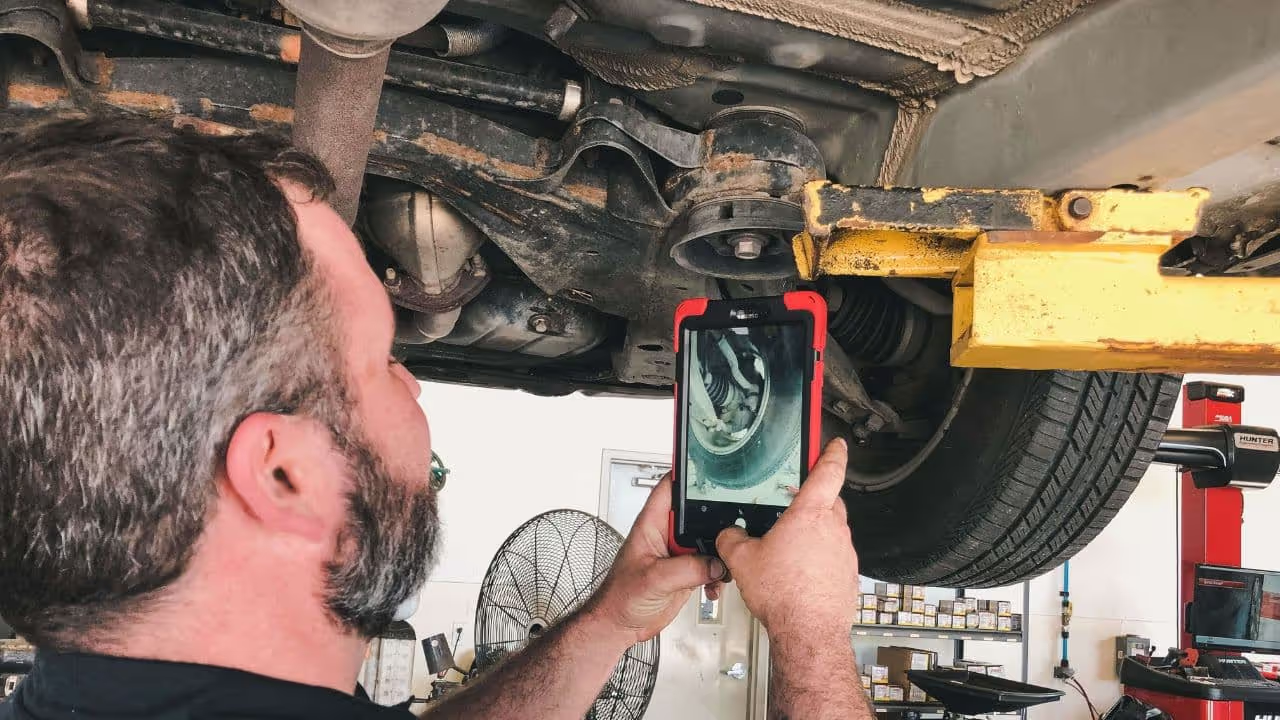
A digital report makes the findings easier to follow. Photos, measurements, and plain explanations help separate work that affects current stopping performance from maintenance that can be watched or planned for later.
The order matters. A technician first confirms the concern, then checks the system for the source of the wear. If one pad is much thinner than the others, replacing the friction material alone may not solve the problem. The caliper, hose, hardware, or mounting surface may also need attention. Finding that cause helps the next set wear evenly.
A normal inspection may include:
- Measuring material at every wheel and comparing both sides of each axle
- Checking brake rotors or drums for wear, damage, heat marks, and corrosion
- Testing caliper movement, slide pins, hoses, and other brake components
- Reviewing fluid condition, leaks, parking-system operation, and dashboard warnings
- Explaining what needs work now, what can wait, and why
When Rotors and Other Parts Need Work
New pads do not automatically mean new rotors. A rotor may stay in use if it meets the manufacturer's thickness limit and has a suitable surface. Deep scoring, heavy corrosion, heat damage, excessive runout, or low thickness can change that decision.
Replacing worn material early can help protect the surrounding components. Once metal contacts the rotor, the repair can grow quickly. Added heat may also affect hardware and caliper movement. That is why grinding usually costs more to fix than a planned pad replacement.
The price of the job depends on the model, axle, pad type, labor, and anything else the inspection finds. Some vehicles also use electronic parking systems or larger assemblies that need special tools. A clear estimate should show what is included and explain why each item is being recommended.
Brake pad replacement is normally handled across the left and right sides of the same axle so braking stays balanced. If one side is much thinner, the technician should find the cause instead of replacing material and sending it back out with the same problem waiting to return.
Ask whether the estimate covers pads, rotors, hardware, fluid work, and labor. You should also know which items affect safe operation now and which can be monitored. A straightforward explanation makes it easier to approve the right work without guessing from a noise or mileage reading.
Schedule an Inspection With Gateway Auto
If your car is making noise, pulling, vibrating, or taking longer to stop, Gateway Auto can check it and show you what the team finds. Its ASE-certified technicians use digital inspections with photos and videos, then explain the options before work begins.
Gateway Auto has served Omaha-area drivers since 2002 and backs qualifying repairs with a 24-month, 24,000-mile nationwide warranty. Courtesy transportation may be available when arranged in advance, and completed work includes a final check and complimentary car wash.
Schedule online or call Gateway Auto to request an inspection at the Harrison Street location in La Vista or the B Street service center in Omaha. You will get a clear picture of what needs attention now and what can wait.
If you are unsure which appointment to choose, describe the noise, pedal feel, and when the change started. The team can help you book the right visit.

.avif)
