



How long do brake pads last? Most drivers can expect a range of about 30,000 to 70,000 miles. That estimate is a starting point, not a fixed replacement schedule. Driving habits, vehicle weight, pad material, road conditions, and the health of the rest of the stopping system can move the replacement date much earlier or later.
Omaha driving creates its own mix of wear. A daily route may include short urban trips, stop-and-go traffic, interstate exits, winter road film, and added passenger or equipment weight. Each stop turns motion into heat. Over time, that heat wears away the friction material that helps the car slow down.
Mileage still matters, but the way it feels and sounds matters too. A professional inspection can measure remaining material, check the rotors and calipers, and separate normal wear from a developing problem. That gives you a clearer repair plan before a small concern affects stopping performance or damages nearby parts.
How Pad Life Is Measured
A mileage estimate is useful because brake pads are wear items. It cannot show how much friction material remains on a specific model. Two cars with the same odometer reading may have very different pad life. One may travel mostly at steady highway speeds, while the other makes dozens of short trips with repeated stops.
Disc brakes slow a wheel when a caliper presses friction material against a rotor. Every application removes a small amount of material. The rate changes with heat, pressure, component condition, and friction-material design. Some models also use drum brakes at the rear, where shoes press against the inside of a drum instead of friction material pressing against brake discs.
The material installed can influence noise, dust, heat tolerance, pedal feel, and lifespan. The best choice depends on the model and how it is used. A technician should also confirm that the selected parts meet the manufacturer's specifications.
| Pad material | Common traits | Often suited to |
|---|---|---|
| Ceramic | Quiet operation, low dust, steady everyday performance | Daily commuting and typical passenger models |
| Semi-metallic | Strong heat tolerance and firm braking response | Trucks, towing, heavier loads, and demanding use |
| Organic | Softer feel and lower initial cost, with faster wear in some uses | Light-duty applications when approved for the model |
Typical characteristics vary by product and model requirements.
No material comes with one dependable mileage promise. A correct estimate combines maintenance history, measured thickness, rotor condition, and the driver's normal use.
A useful brake inspection records the remaining thickness at each wheel and compares it with the manufacturer's wear limit. The technician also looks for taper, cracks, glazing, contamination, and uneven contact. Those findings show whether the brake pads are wearing normally, whether replacement can be planned, or whether another component is causing early wear.
What Wears Brake Pads Faster in Omaha
Frequent braking creates repeated heat cycles, so urban use often wears brake pads faster than open-road travel. Drivers who leave room and ease into stops usually place less heat into the system than drivers who brake late and hard. Rush-hour traffic, school pickup lines, delivery routes, and frequent short trips can all reduce the interval between replacements.
Weight also changes the workload. A loaded SUV, work truck, trailer, or car full of passengers carries greater energy into each stop. Larger models may be designed with stronger components, but their use still affects wear. Towing and hauling should be considered when selecting parts and planning inspections.
Omaha weather adds another variable. Moisture and road treatment can contribute to surface rust, while grit can collect around hardware. Cold weather may create temporary sounds after a car sits, but persistent noise deserves attention. A sticking caliper or slide pin can keep one pad in contact with a rotor and wear it far faster than the others.
Route length also matters. Short trips can pack many stops into relatively few miles, while a longer interstate commute may involve little pedal use. That is why a car with lower annual mileage can still need brake pads sooner than a highway-driven model. Maintenance records help reveal the pattern and make future estimates more useful.
Habits that may support longer pad life:
- Leave more following distance so you can slow gradually.
- Avoid unnecessary late braking when traffic conditions allow a smooth stop.
- Reduce unneeded cargo that adds weight to everyday trips.
- Follow the owner's maintenance schedule and request inspections at regular shop visits.
- Report new sounds or pedal changes early before added heat damages other parts.
Front and Rear Brake Wear: Why Pads Differ
Front brake pads commonly wear sooner because a vehicle's weight shifts forward during deceleration. The front tires gain load and the front system handles a large share of the stopping force. The exact balance varies by design, speed, load, and electronic controls, so a fixed front-to-rear ratio should not be assumed for every car.
The rear brake system still helps the car remain stable. Anti-lock braking and stability-control systems may apply individual wheels to manage wheel slip or motion. Those interventions can create wear patterns that differ from older models. Some electronic parking systems also use rear components in ways that affect inspection and repair procedures.
Uneven wear across an axle can point to a mechanical or hydraulic concern. One sticking caliper, restricted hose, seized hardware component, or contaminated friction surface may cause the car to pull, run hot, or create excess dust at one wheel. Replacing only the visibly thin part without finding the cause can allow the same pattern to return.
For that reason, technicians usually assess both sides of an axle and review the entire system. The inspection may include material thickness, rotor condition, caliper movement, hardware, fluid, warning lights, and tire condition. This full view is more useful than comparing the odometer with a generic mileage chart.
Brake Pad Warning Signs and Inspection Timing
Brake pad wear is often gradual, but several symptoms can signal that an inspection should be scheduled soon. Some brake pads have a small indicator that makes a high-pitched sound when material becomes thin. Other noises can come from moisture, debris, hardware, or rotor condition, so sound alone does not confirm the repair needed.
Grinding deserves prompt attention because it may indicate metal-to-metal contact. Continuing to drive can score brake rotors and increase heat around the calipers and wheel components. A soft pedal, a pedal that travels farther than usual, or noticeably longer stopping distance may involve fluid or hydraulic concerns rather than worn friction material alone.
Arrange a professional inspection if you notice:
- Persistent squealing, scraping, or grinding when the pedal is applied
- Pulsing or vibration through the pedal or steering wheel
- Pulling to one side while slowing down
- A soft or unusually low pedal or a change in stopping distance
- An illuminated warning or ABS light
- Heavy dust, excess heat, or an unusual odor near one wheel
A quick look through an open wheel may show visible material, but it cannot confirm inner-pad thickness, rotor measurements, or caliper operation. Do not touch hot components or work beneath a vehicle without proper equipment and training. If braking feels unsafe, limit driving and contact a repair shop for guidance.
Inspection timing should also follow the owner's manual and driving use. A check during routine maintenance can establish a trend. Measurements from successive visits help estimate whether replacement is likely soon or whether the parts can remain in use.
Replacement Costs, Rotors, and Repair Decisions
The cost of replacement varies by model, axle, material, labor requirements, and the condition of related components. Some models have simple hardware, while others use larger assemblies, electronic parking systems, or procedures that require specialized tools. A quote should identify the parts being installed and whether rotor or fluid work is included.
Brake pads are intended to wear before the rotor, but rotors do not last forever. A technician measures thickness and checks surface condition and runout. A rotor that remains within manufacturer limits may be reusable or remain in use. A rotor that is too thin, damaged, deeply scored, or unable to provide a suitable surface may need replacement. The same decision should be made from measurements, not from mileage alone.
Early replacement can keep a routine job from growing. When worn friction material continues grinding against a rotor, the repair may involve additional components and labor. Clear inspection results let the owner separate work that affects current safety from maintenance that can be planned for a later visit.
Schedule a Brake Inspection With Gateway Auto
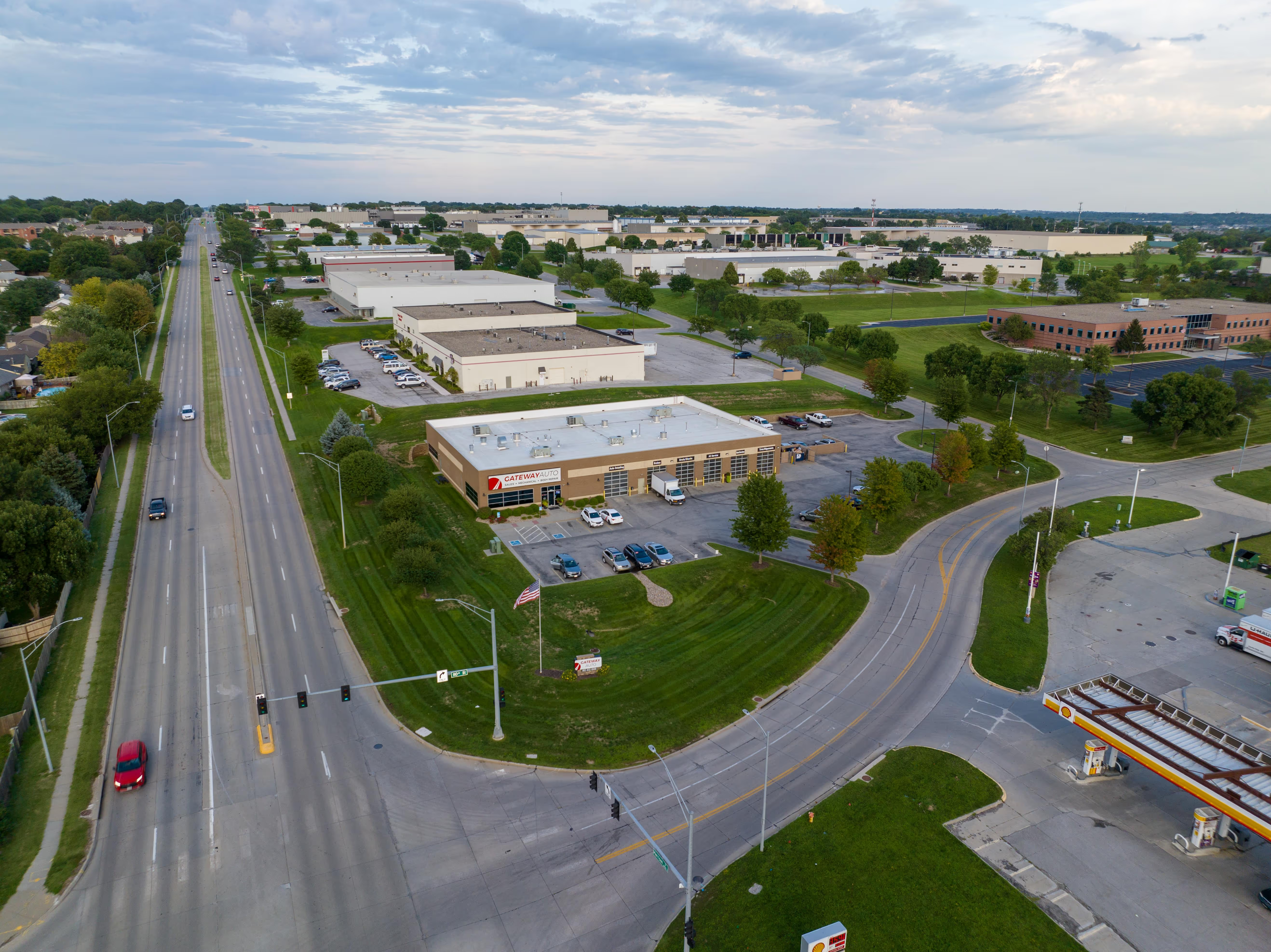
If your car is making noise, pulling, vibrating, or taking longer to stop, Gateway Auto can inspect the system and explain the findings in plain language. Its ASE-certified technicians use digital inspections with photos and videos, so you can review the condition of the friction material, rotors, calipers, and related parts before authorizing work.
Gateway Auto has served Omaha-area drivers since 2002 and backs qualifying repairs with a 24-month, 24,000-mile nationwide warranty. Courtesy transportation options may be available when arranged in advance, and completed work includes a final check and complimentary car wash.
Schedule online or call Gateway Auto to request an inspection at the Harrison Street location in La Vista or the B Street service center in Omaha. A measured inspection can replace guesswork with a clear plan for what needs attention now and what can wait.

.avif)
