
A dent can affect your vehicle's appearance, but the right repair depends on its size, location, depth, and paint condition. If you are wondering how to fix car dents without causing additional damage, start by inspecting the affected panel. A shallow door ding with intact paint may respond to a simple repair method, while a sharp crease, cracked finish, or dent near a panel edge may require professional attention.
Some at-home techniques can reduce minor dents, but suction tools, glue-pull kits, heat, and dry ice all carry risks. Using the wrong method can stretch metal, damage paint, or turn a small cosmetic issue into a more expensive repair.
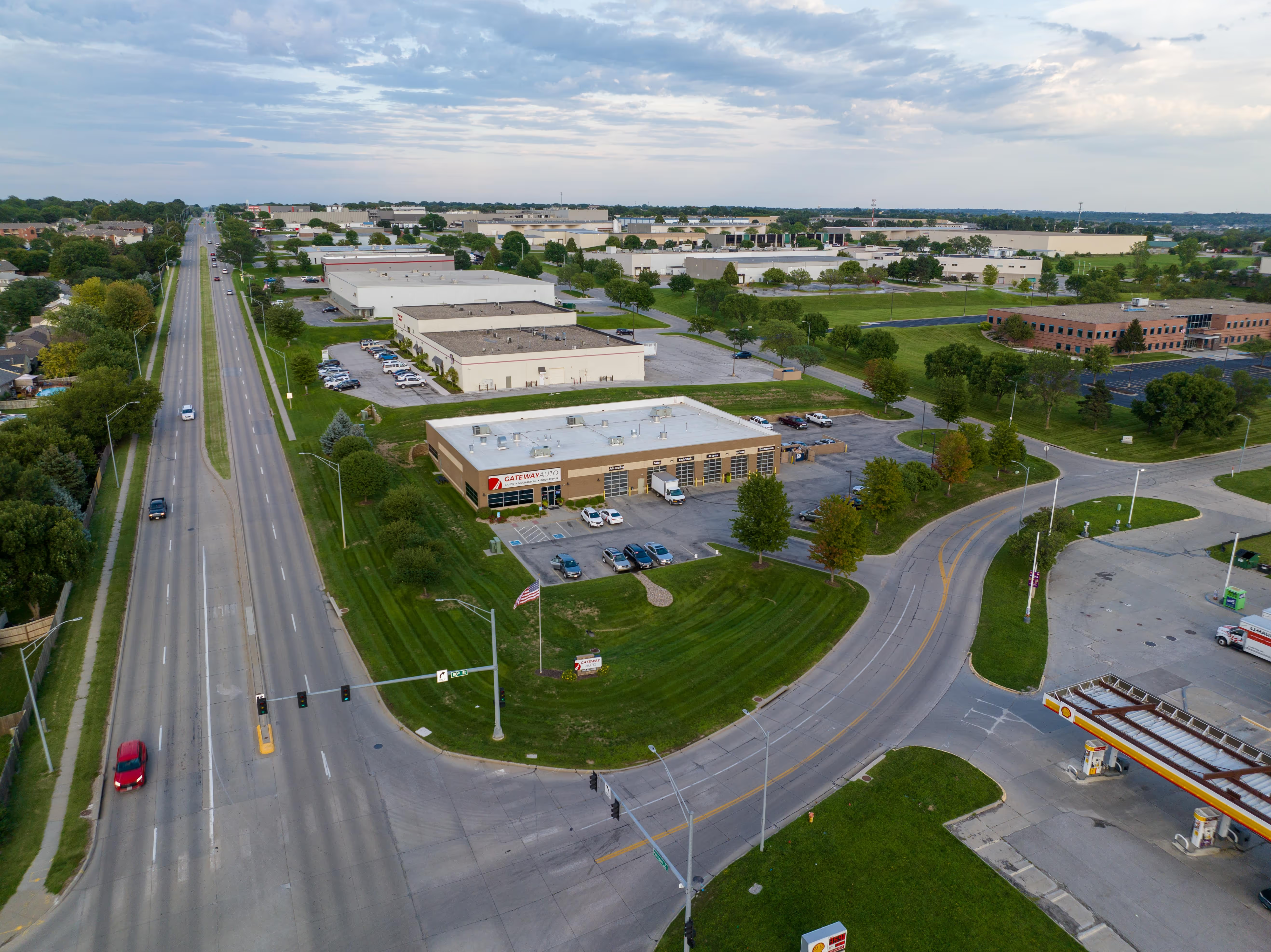
Understanding your options helps you choose a suitable approach for your vehicle, budget, and long-term ownership plans. Gateway Auto in Omaha and La Vista also offers access to collision support through its connected automotive services, giving local drivers a convenient option when a dent needs professional evaluation.
Assess the Damage Before Attempting Car Dent Repair
Before choosing a repair method, examine the damaged area in bright daylight. Wash the panel to remove dirt and inspect the dent from several angles. Its shape, depth, location, and surrounding finish can help determine whether a DIY repair is appropriate.
A broad, shallow dent on a steel door or fender may be easier to correct than a deep crease or damage along a body line. Dents close to panel edges can also be difficult to remove because the metal has less flexibility in those areas.
Pay particular attention to the paint. Look for:
- Cracks, chips, or peeling paint.
- White stress marks in the clear coat.
- Exposed metal or early signs of corrosion.
- Sharp folds, stretched metal, or raised areas.
- Damage around trim, lights, sensors, and panel edges.
If the paint remains intact and the dent is shallow, you may have several repair options. However, damaged paint usually requires additional bodywork and refinishing. Trying to pull a dent through a cracked finish can cause more paint to lift and increase the repair area.
Also consider what sits behind the damaged panel. Modern vehicles often have reinforcement bars, electrical wiring, insulation, and side-impact components inside doors and other body sections. Blindly pushing a tool into these areas can damage components or interfere with safety equipment.
For example, a small dent on the center of a door may be accessible from behind, while a similar dent near the door frame may be blocked by internal braces. If access is uncertain, have a technician inspect the panel before attempting a repair.
Omaha's changing weather and winter road salt can also make exposed metal a concern. A small area of chipped paint can eventually develop corrosion if left untreated. Addressing paint damage promptly helps prevent a minor cosmetic problem from becoming a larger body repair.
DIY Dent Repair Methods and Their Limitations
If the damage is minor, a few at-home techniques may help improve the panel's appearance. However, results depend on the dent's shape, the panel material, and the condition of the paint. No DIY method works for every type of damage.
Suction cup dent pullers
Suction cup tools are designed to pull shallow dents outward. They are generally suited to broad, rounded dents on relatively flat surfaces. Before using one, clean and dry the panel, then position the tool according to the manufacturer's instructions.
Apply controlled pressure instead of pulling forcefully. If the dent does not move easily, stop rather than repeatedly stressing the metal. Suction tools are unlikely to correct sharp creases, deep dents, or damage close to panel edges.
Glue-pull dent repair kits
Glue-pull kits use adhesive tabs and a pulling bridge or lifter to gradually draw a dent outward. These tools can be useful for certain small, rounded dents where access behind the panel is limited.
The adhesive must be suitable for the paint finish, and the pulling force needs to remain controlled. Previously repaired panels, weak paint, and deep creases can make this method risky. Excessive force may lift the paint or create a raised spot that requires additional correction.
Using a long metal rod
Some dents can be corrected by gently applying pressure from behind the panel with a specialized long metal rod. Professional technicians use these tools to massage metal back into shape while checking the panel's reflections.
Although similar tools are available for DIY car repair, the technique requires experience. Applying pressure in the wrong place can create high spots, distort the panel, or damage internal components. Avoid using improvised metal rods or pushing blindly into enclosed areas.
Heat and dry ice techniques
Online videos sometimes recommend heating a dented panel and applying dry ice to trigger a sudden temperature change. The theory is that rapid expansion and contraction may help the metal return toward its original shape.
However, results are unpredictable. Modern automotive paint, plastic bumper covers, aluminum panels, and previously repaired areas may respond differently to temperature changes. Dry ice can cause cold burns, while heating a panel can damage the finish or surrounding components. Carbon dioxide released by dry ice also creates an asphyxiation risk in enclosed spaces.
Regular ice generally does not create the same temperature difference and is unlikely to provide a reliable dent removal method.
For these reasons, temperature-based tricks are not a dependable substitute for proper dent repair. If a panel is valuable, the damage is deep, or the paint condition is uncertain, professional evaluation can help prevent additional repair costs.
When Paintless Dent Repair Is Suitable
Paintless dent repair (PDR) is a technique that restores certain damaged panels without sanding, filling, or repainting them. It is often suitable for shallow dents where the original paint remains intact and the metal has not been excessively stretched.
A trained technician uses specialized tools to apply controlled pressure behind the panel. In some cases, exterior pulling equipment is used to gradually reshape the damaged area. The technician monitors reflections across the panel to identify uneven surfaces and adjust the metal carefully.
PDR is commonly used for:
- Small parking-lot door dings.
- Shallow dents caused by minor impacts.
- Certain hail-related dents.
- Rounded dents away from sharp body lines.
- Minor damage where the factory paint remains undamaged.
One advantage of this method is that it preserves the original factory finish. Since it does not normally require conventional refinishing, it may reduce repair time and help maintain the vehicle's original appearance.
However, paintless dent repair has limitations. A sharp crease may require too much force to reshape cleanly. Stretched metal may not return to its original contour, and damage close to a panel edge can be difficult to access. Cracked paint, deep gouges, and previous repair work may also make PDR unsuitable.
The material matters, too. Steel and aluminum panels behave differently during repair, and some vehicle designs provide limited access behind damaged areas. A technician must consider these factors before selecting the repair process.
PDR can be a practical option for minor damage, but it should not be treated as a universal solution. An inspection can establish whether the dent is suitable for this technique or requires traditional body repair.
Professional Body Repair and Dent Repair Costs
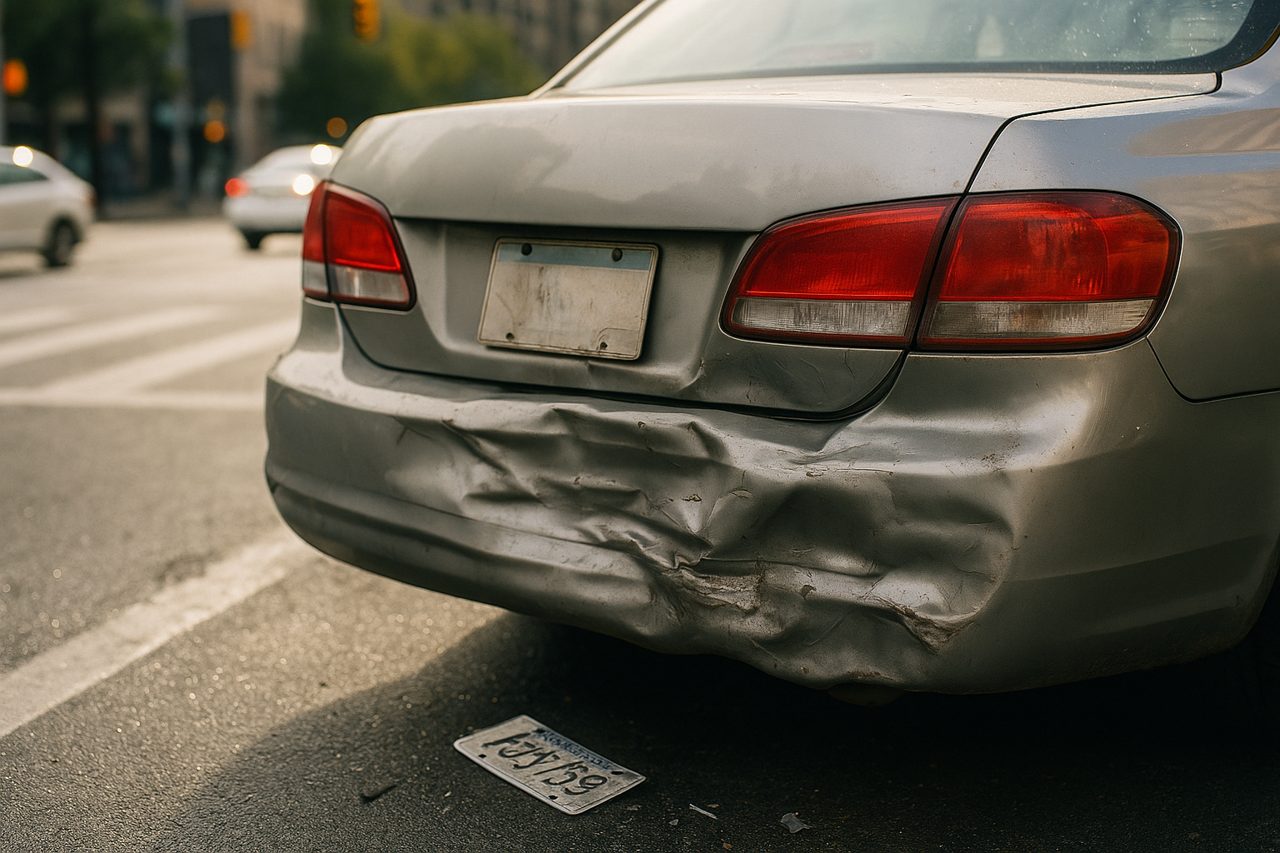
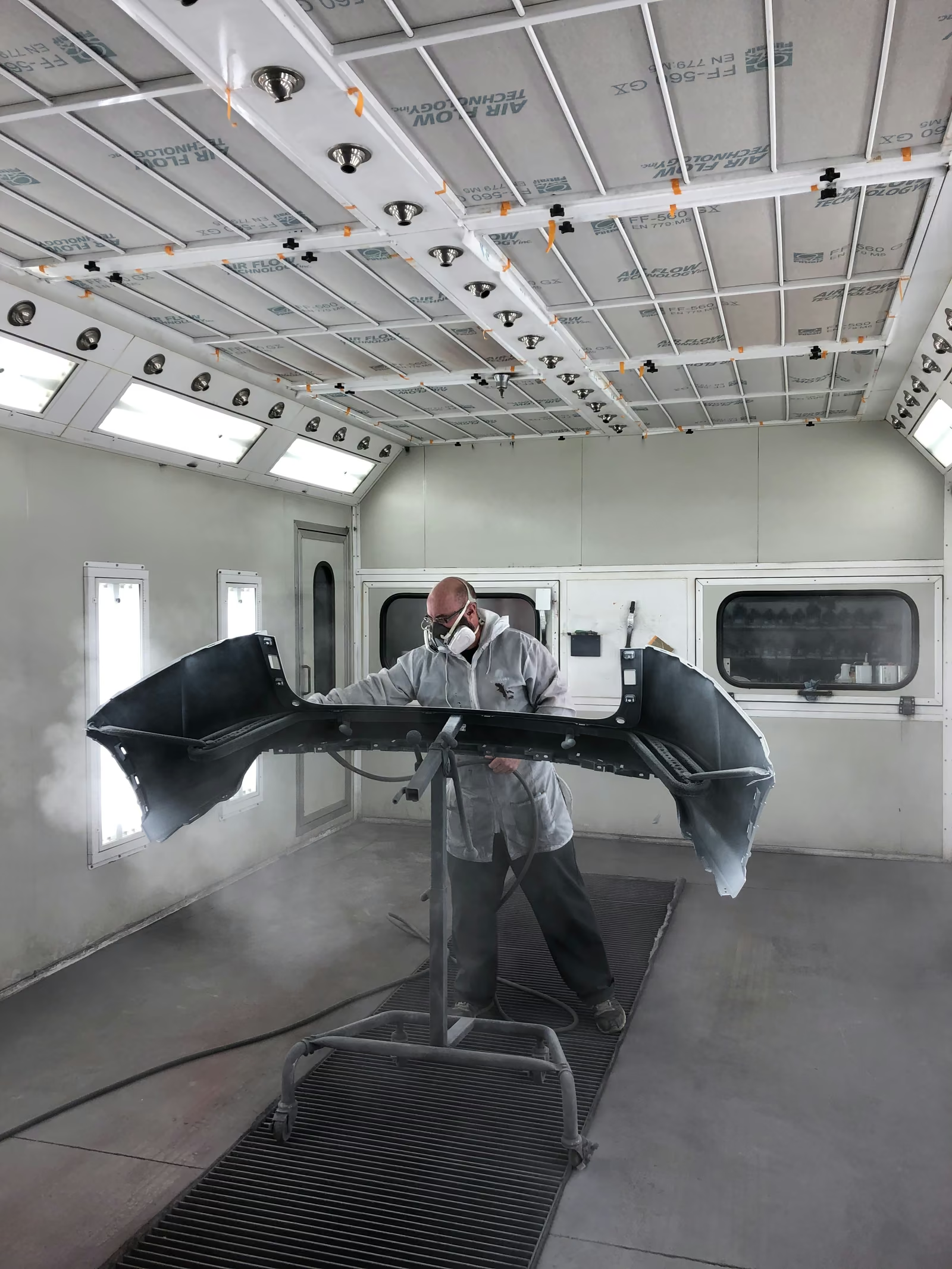
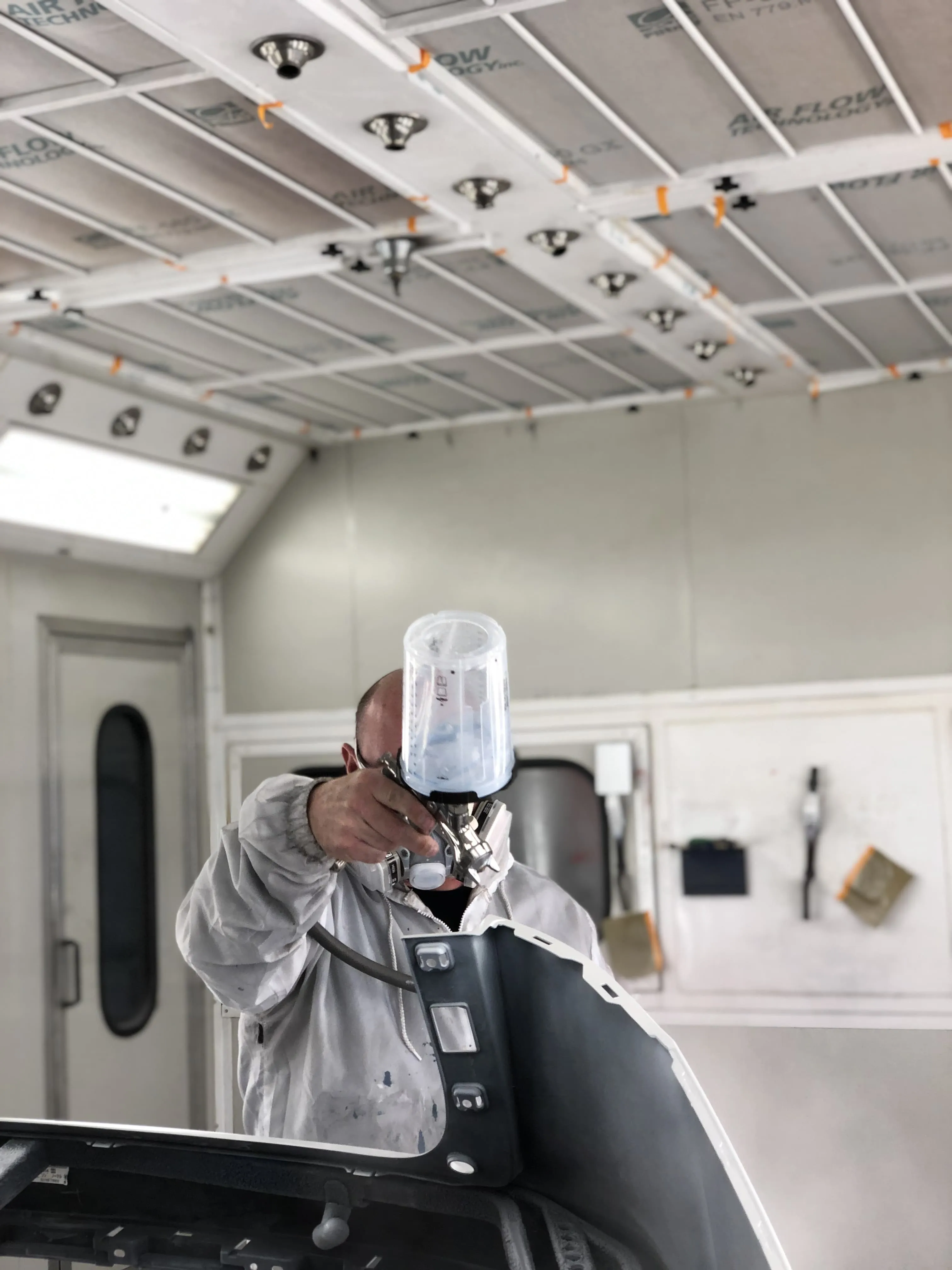
When a dent involves damaged paint, sharply folded metal, a split bumper cover, or multiple affected panels, traditional body repair may be necessary. Unlike paintless dent repair, this process can involve reshaping metal, applying body filler where appropriate, sanding, priming, and repainting the damaged area.
The repair process generally follows several steps:
- Damage inspection: A technician examines the visible dent and checks for hidden damage behind the panel. The inspection may also identify affected sensors, wiring, or structural components.
- Panel correction: Depending on the damage, the technician may reshape the original panel or determine that replacement is more appropriate.
- Surface preparation: The repaired area is prepared for refinishing. This may involve sanding, applying suitable materials, and creating a smooth surface.
- Painting and blending: The repaired area receives a matching finish. Adjacent panels may need blending to achieve a consistent appearance.
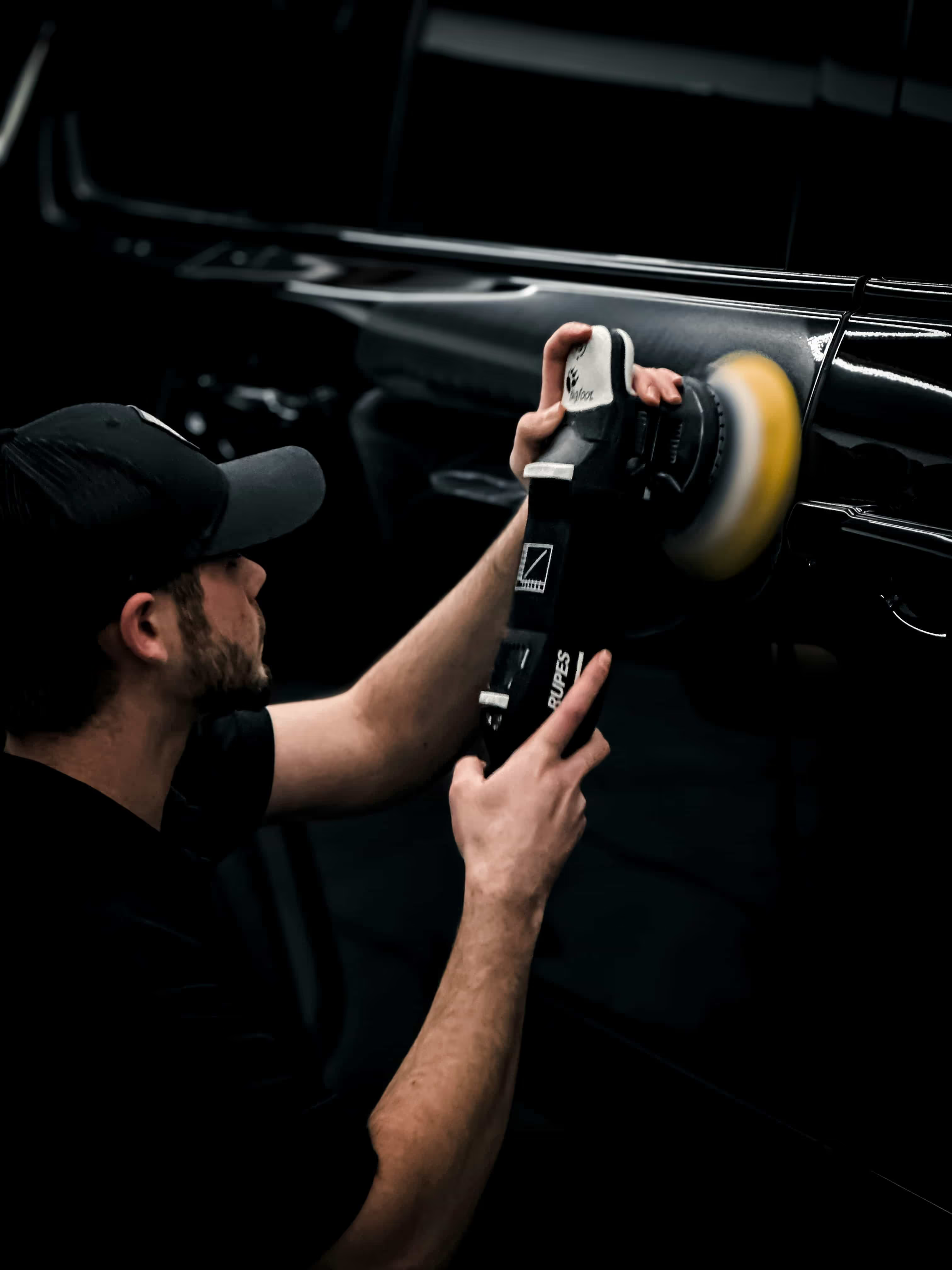
- Final inspection: The completed repair is checked for surface quality, paint consistency, panel alignment, and any required electronic system checks.
The cost of dent repair varies considerably. A small, shallow door ding may cost relatively little to correct, while a deep crease, damaged paint, or dent involving several panels can require substantially more labor and materials.
For an accurate estimate, have the vehicle inspected rather than relying on the dent's visible size alone. A written estimate should identify the proposed repair method, expected labor, parts, paintwork, and any additional inspection or calibration requirements.
If insurance may cover the damage, review your policy, deductible, and applicable claim procedures before authorizing work. A repair facility can explain the documented damage and help you understand the estimate.
Gateway Auto's connected collision support provides Omaha drivers with an option to seek assistance when a vehicle needs attention beyond a simple cosmetic fix. Getting an assessment early can help you understand the work involved and plan your repair accordingly.
Choosing the Right Dent Repair Method for Your Vehicle
Selecting a repair method involves balancing the damage, the vehicle's condition, your budget, and your expectations for the finished result. A quick DIY attempt may appear convenient, but an unsuccessful repair can create additional work.
Consider the following points before deciding:
- The severity of the damage: Shallow, rounded dents are generally easier to address than sharp creases, deep impressions, or stretched metal.
- The condition of the finish: Intact paint creates more repair options. Cracked, chipped, or peeling paint usually calls for professional attention.
- The vehicle's age and value: Original paint and properly repaired body panels may matter when maintaining a vehicle's appearance and resale value.
- The location of the dent: Damage around safety equipment, electronic components, panel edges, or structural areas needs careful inspection.
- Your repair experience: DIY methods require suitable tools, patience, and an understanding of how vehicle panels respond to pressure.
- The expected result: A temporary cosmetic improvement may not meet the standards needed for a lease return, resale, or a vehicle you plan to keep for years.
For a small dent with intact paint, a professional PDR assessment may help establish whether the original panel can be restored without repainting. If the metal is sharply folded or the paint is damaged, traditional body repair may provide a more suitable solution.
Modern bumpers deserve particular attention. A minor-looking impact can affect parking sensors, cameras, radar equipment, or mounting points. If a bumper has been struck, do not assume that a smooth exterior means every component is functioning properly.
Also consider previous repair work. Repainted panels and areas with body filler may react differently to pulling tools and pressure. If the vehicle has a history of collision repairs, tell the technician before work begins.
For leased vehicles, review the return requirements before choosing a repair. Visible dents, mismatched paint, and incomplete work may result in additional charges. If you plan to sell or trade your vehicle, retaining repair records can help demonstrate that the damage was addressed.
When you are unsure which option suits your vehicle, a professional inspection offers a clearer understanding of the damage, available methods, and likely costs. This is particularly helpful when the dent is close to safety equipment or when an at-home repair could affect the original paint.
Get Professional Help for Car Dent Repair in Omaha
Knowing how to fix car dents starts with understanding the extent of the damage and choosing the right repair method. While shallow dents may respond to simple DIY techniques, damaged paint, sharp creases, and hidden impact damage often require professional attention. Addressing related issues, such as rust repair, can also help prevent further deterioration and preserve your vehicle's condition.
Choosing an appropriate repair process can protect your car's appearance, reduce unnecessary expenses, and prevent minor damage from developing into more extensive problems.
Gateway Auto Sales in Omaha and La Vista offers drivers a connected automotive experience, including access to collision support. Whether you are dealing with a minor door ding, noticeable collision damage, or rust-related concerns, professional assistance can help you understand your repair options and plan the next steps.