Rust repair for cars can range from treating a small paint bubble at home to repairing severely corroded body panels. Identifying corrosion early helps protect a vehicle's appearance, structural condition, and resale value. While minor surface rust may be manageable with the right tools and preparation, deeper corrosion can require professional attention.
Rust develops when moisture and oxygen react with exposed metal. Road salt, damaged paint, trapped dirt, and poor drainage can accelerate the process. Areas such as wheel arches, rocker panels, door bottoms, and the underbody are particularly vulnerable because they collect moisture and debris.
Understanding the difference between surface corrosion and advanced rust damage helps vehicle owners decide how to proceed. A small spot may only need sanding, primer, and paint, while widespread corrosion or damage near structural components requires a more detailed assessment.
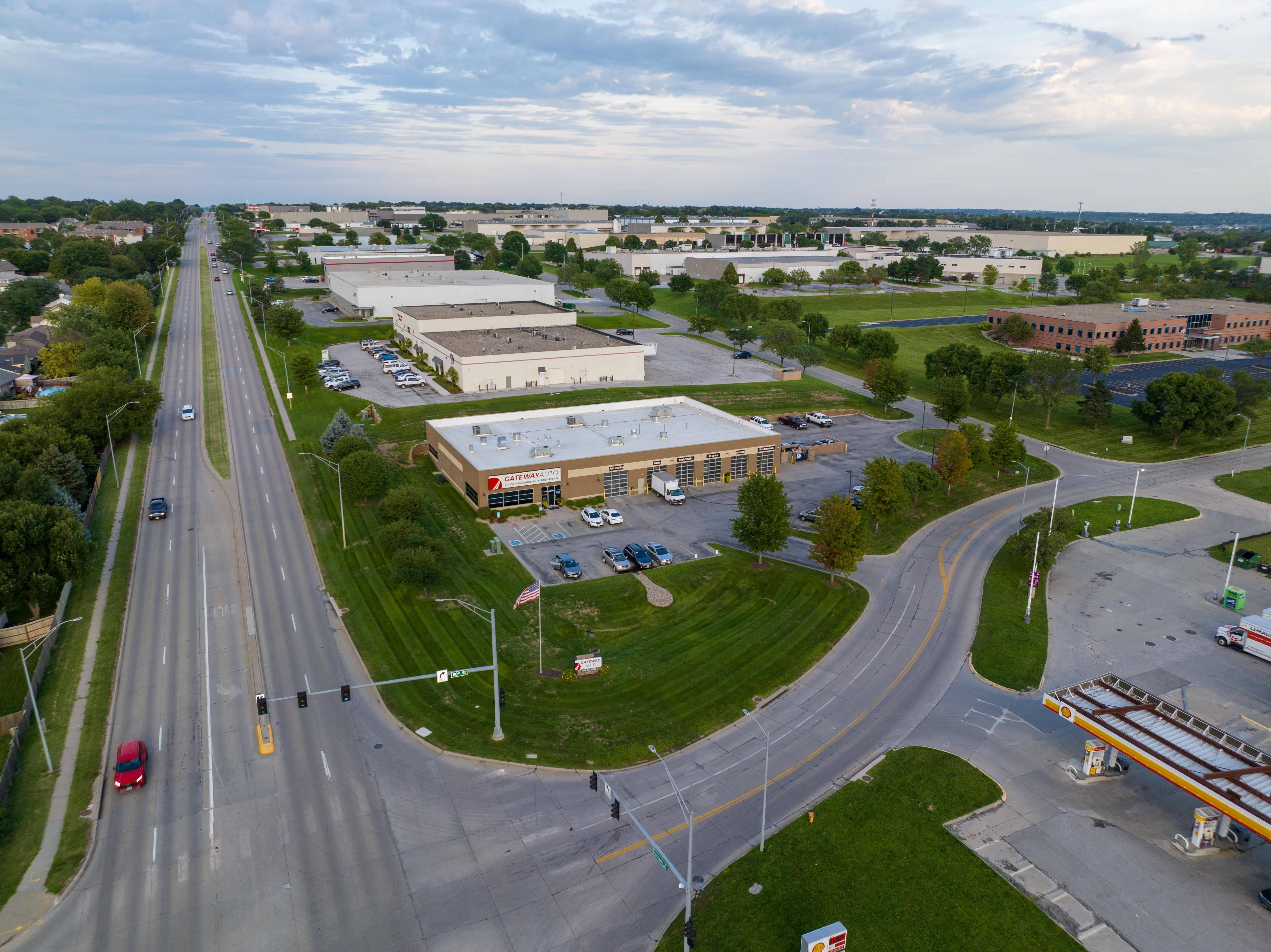
Gateway Auto in Omaha and La Vista offers vehicle sales alongside connected service and collision support. Understanding your vehicle's condition and repair needs can help you make informed decisions about maintenance, bodywork, and long-term ownership.
How to Identify Car Rust and Assess the Damage
Recognizing the early signs of corrosion makes it easier to address rust before it spreads and causes extensive damage. Rust does not always appear as obvious orange patches. It can develop beneath paint, inside body seams, or behind exterior trim, making regular inspections important for maintaining your vehicle.
Look for these common warning signs:
- Orange or brown spots: Small discolorations may indicate surface rust where chipped or scratched paint has exposed bare metal.
- Bubbling paint: Raised or blistered paint often signals corrosion developing beneath the surface.
- Flaking metal: Loose, scaly material can indicate more advanced rust and deterioration.
- Soft or weakened panels: Metal that bends, flakes, or feels unusually thin may have lost its original strength.
- Small holes or perforations: Openings in body panels suggest that corrosion has progressed beyond surface damage.
Pay particular attention to wheel arches, door edges, trunk seams, hood edges, rocker panels, and the area around the windshield. Inspect the underbody when possible, especially around suspension mounting points, floor sections, and structural components.
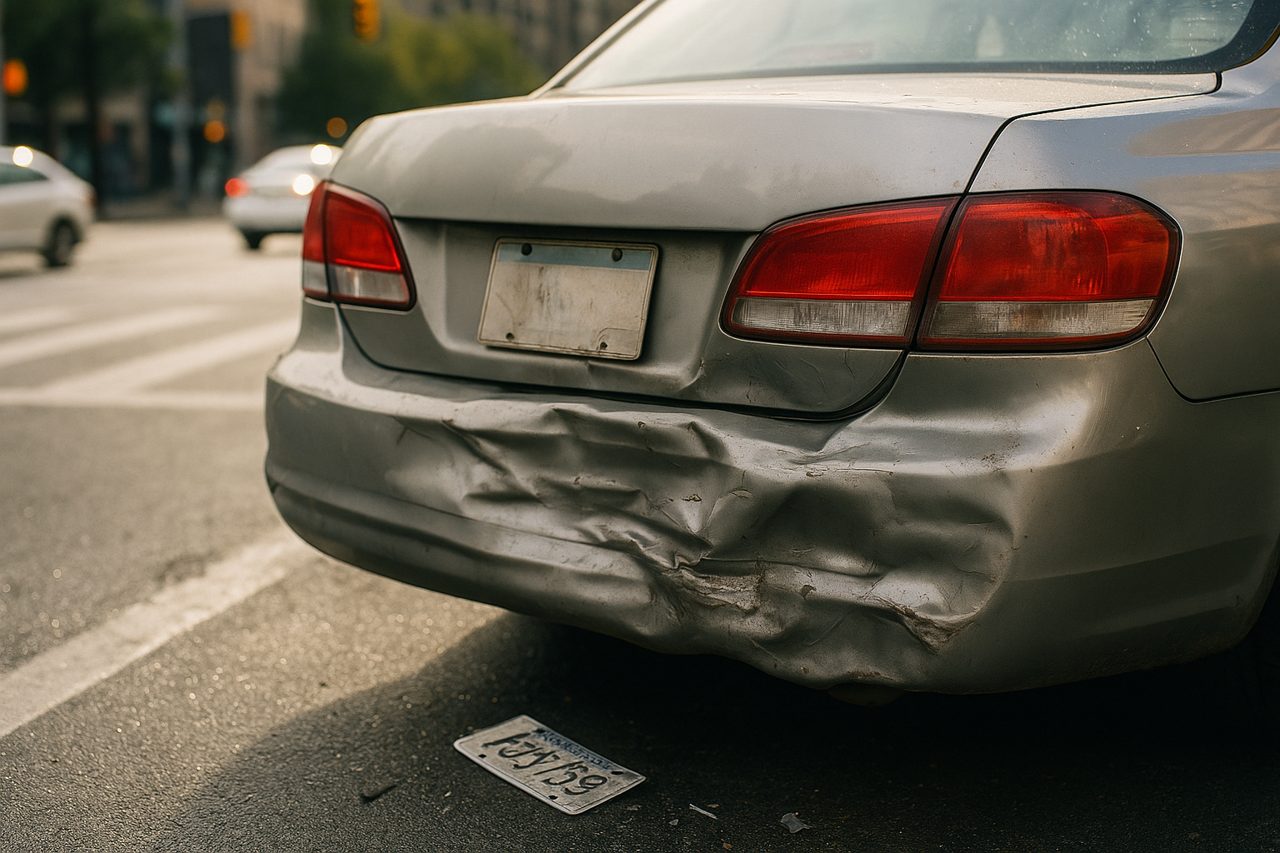
Rust can also develop around dents and scratches caused by minor accidents. Understanding fixing car dents and addressing damaged paint promptly can help reduce the risk of moisture reaching exposed metal. However, dent repair and rust removal require different approaches, particularly when corrosion has weakened the affected panel.
A small paint chip can expose bare metal to moisture and start the corrosion process. Visible damage does not always reveal how far rust has spread, as corrosion can develop underneath surrounding paint or inside enclosed body sections.
Avoid applying pressure to severely corroded metal or scraping areas near structural and safety-related components. If you notice widespread rust, holes, or corrosion near structural parts, arrange a professional inspection to determine the extent of the damage and the appropriate repair method.
How to Fix Rust Spots on a Car at Home
Small areas of surface corrosion can often be repaired at home if the surrounding metal remains solid and the damage has not spread into structural components. Successful DIY car rust repair depends on proper surface preparation, suitable products, and careful application of primer and paint.
Before starting, inspect the affected area carefully. If you find deep pitting, perforation, soft metal, or corrosion extending beneath nearby panels, seek professional assistance instead of attempting a cosmetic repair.
For minor rust spots, follow these general steps:
- Clean the affected area: Wash the panel with automotive soap and water to remove dirt, grease, and debris. Allow the surface to dry completely before sanding.
- Protect the surrounding paint: Apply masking tape and paper around the damaged area to prevent accidental scratches and overspray.
- Remove loose corrosion: Use 80- to 120-grit sandpaper or a wire brush to scrub away loose rust and damaged paint. Continue until clean, solid metal is exposed. Feather the edges of the surrounding paint to create a smoother transition.
- Apply rust treatment when appropriate: Follow the instructions for an automotive rust converter or treatment product if the repair requires it. These products have specific preparation and application requirements.
- Apply automotive primer: Use a compatible primer designed for bare metal. Epoxy primer may be suitable for sealing properly prepared surfaces and limiting moisture exposure.
- Fill minor imperfections: If shallow pits remain, use an appropriate automotive body filler according to its manufacturer's instructions. Sand the cured filler smooth and apply additional primer when required.
- Repaint the repaired area: Apply matching automotive touch-up paint in thin, even coats. Allow appropriate drying time and add clear coat if required by the paint system.
Work in a well-ventilated area and wear suitable gloves, eye protection, and respiratory protection while sanding or using automotive products. Follow the safety instructions on every product.
DIY rust removal can improve the appearance of a small damaged area, but it does not replace proper metal repair. Avoid covering active corrosion with filler or fresh paint. The rust may continue spreading beneath the new finish, causing the repair to fail.
Professional Rust Repair Methods and When to Use Them
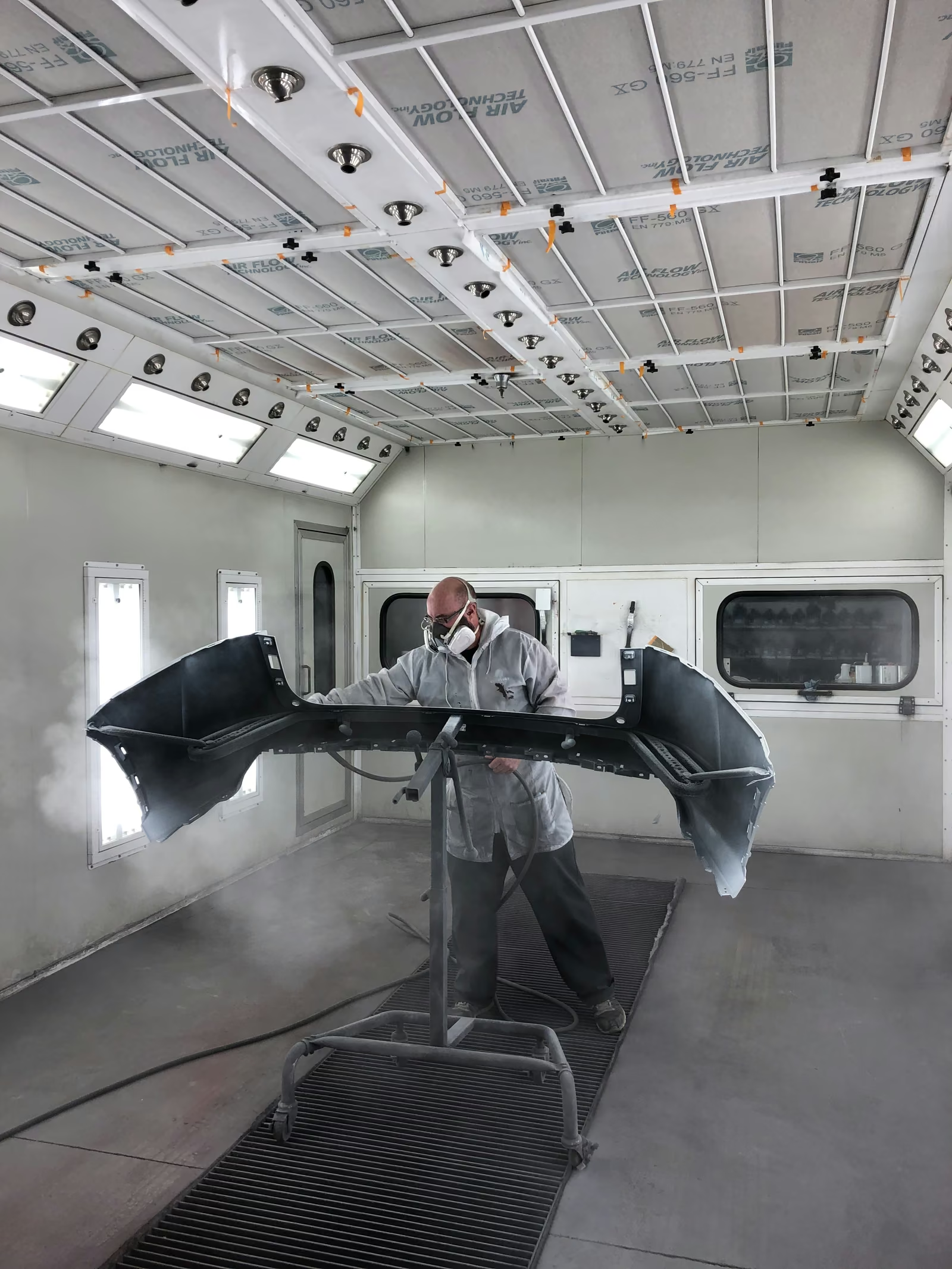
Not every rust problem can be resolved with sanding and touch-up paint. When corrosion affects a larger area or compromises the metal's condition, professional repair may involve removing damaged sections, restoring the body, and refinishing the affected panels.
A qualified body technician can inspect visible corrosion and look for damage concealed behind trim, inside seams, beneath undercoating, or under carpeting. This assessment helps determine the appropriate repair method.
Common professional repair methods include:
- Localized rust removal: Technicians remove corrosion from affected areas, prepare the metal, and apply suitable protective coatings when the underlying material remains sound.
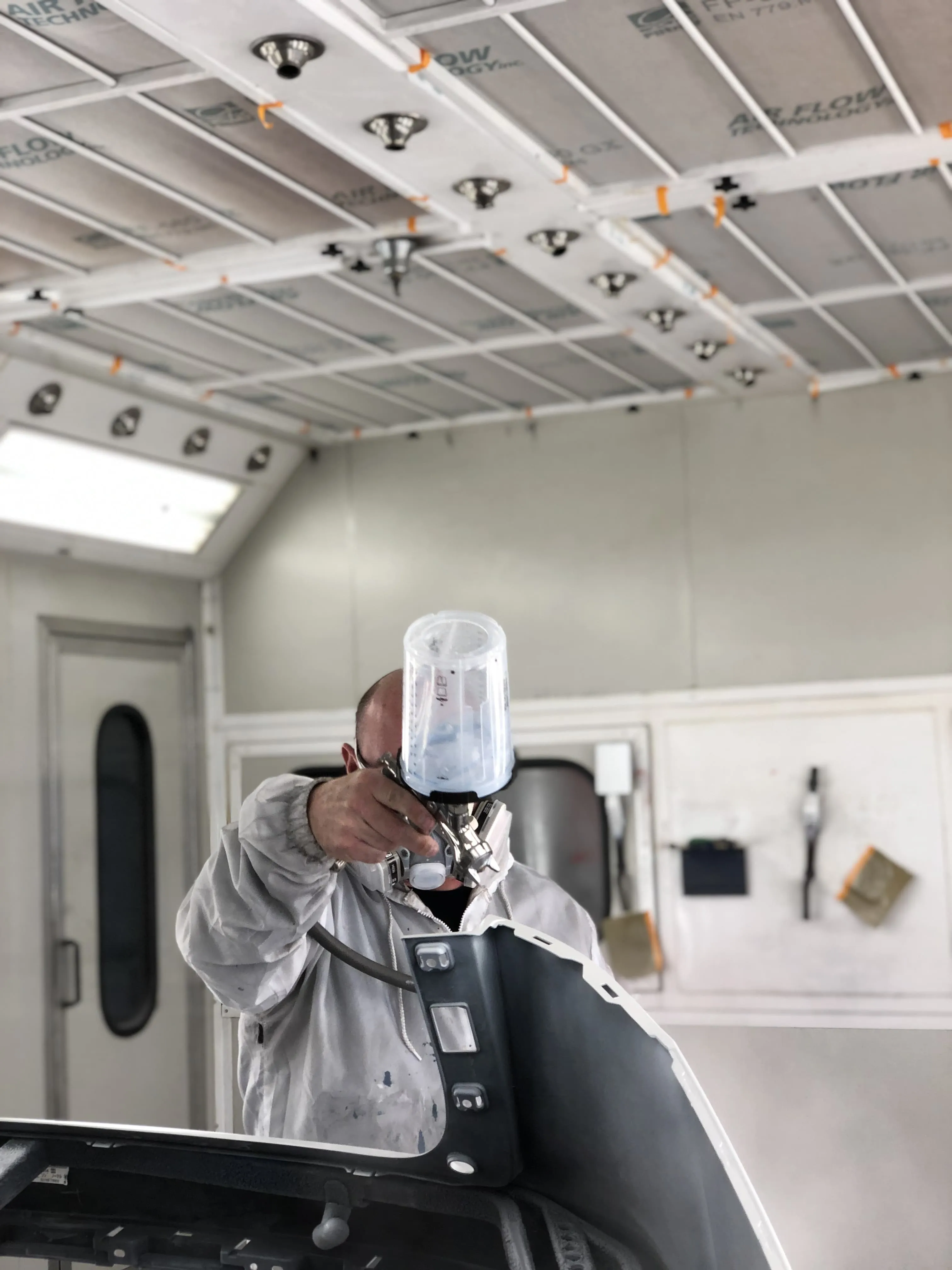
- Panel repair and refinishing: When corrosion affects an exterior panel, the technician may repair or reshape the damaged area, prepare the surface, and apply matching paint.
- Metal cutting and welding: Advanced corrosion may require cutting out weakened metal and welding in properly fitted replacement sections.
- Panel replacement: If extensive deterioration makes a panel unsuitable for repair, replacing the affected component may be appropriate.
- Structural corrosion repair: Rust affecting structural sections requires specialized assessment and repair procedures based on the vehicle's construction and the extent of the damage.
Some locations require particular attention. A rusted rocker panel can affect the body's structural integrity, while corrosion around suspension mounting points or frame components may influence vehicle handling and occupant protection. Damage near brake lines, fuel system components, and mounting hardware also warrants prompt evaluation.
For these conditions, cosmetic solutions such as filler, paint, or adhesive patches are not suitable substitutes for restoring damaged metal. Professional technicians can determine whether the affected components can be repaired safely or require replacement.
Gateway Auto Sales connects customers with service and collision support through its broader automotive business. For Omaha-area drivers dealing with rust or body damage, a professional assessment can help clarify the repair scope and available options.
Rust Repair for Cars: Cost Factors and Repair Options
The cost of car rust repair depends on the location, severity, and extent of corrosion. A small rust spot on an exterior door may require limited preparation and refinishing, while extensive damage to a rocker panel, floor pan, or structural component can involve considerably more labor and replacement materials.
There is no single price that applies to every repair. An inspection helps establish the scope of work and identify hidden damage that could affect the estimate.
Several factors influence the total price:
- Extent of corrosion: Larger damaged areas generally require additional preparation, materials, and labor.
- Location of rust: Corrosion in enclosed seams, beneath trim, or near structural components can take longer to access and repair.
- Replacement materials: Some vehicles require specific replacement panels or components that may affect parts availability and cost.
- Labor requirements: Cutting, welding, panel alignment, and paint matching involve different levels of work.
- Vehicle condition and value: The overall condition, age, and market value of a vehicle can influence whether extensive repairs make financial sense.
When comparing rust repair for cars cost estimates, ask what each quote includes. A lower estimate may cover only visible cosmetic damage, while another may include the removal of corroded metal, replacement sections, corrosion protection, and refinishing.
Ask the repair provider to explain the condition of the affected metal, the proposed repair method, any possible concealed damage, and the expected finish. This information makes it easier to compare options and avoid paying for a temporary cosmetic fix when a more substantial repair is needed.
For drivers in Omaha, Gateway Auto Sales offers access to connected automotive service and collision support. Discussing the vehicle's condition with an appropriate repair professional can help establish a practical plan that accounts for safety, appearance, and ownership costs.
How to Prevent Rust and Protect Your Vehicle
Preventing corrosion starts with keeping moisture, road salt, and damaging debris away from exposed metal. Although no maintenance routine can eliminate every risk, consistent care can reduce the conditions that allow rust to develop.
Vehicles driven through snowy winters or on roads treated with salt are particularly vulnerable. Salt residue can collect in wheel wells, underbody seams, and other areas where water remains trapped. Regular cleaning and early attention to paint damage can help limit corrosion.
Consider these maintenance practices:
- Wash the underbody regularly: Clean wheel wells and underbody areas, especially after driving on salt-treated roads.
- Repair paint chips promptly: Touch up scratches and chips that expose bare metal before moisture reaches the surface.
- Keep drainage channels clear: Check door drains, trunk channels, and other drainage areas for leaves and debris that can trap water.
- Inspect hidden areas: Include rocker panels, door bottoms, wheel arches, and the spare-tire well in routine visual checks.
- Maintain protective coatings: Check for damaged or peeling undercoating and seek appropriate repairs when protective layers no longer provide adequate coverage.
- Address leaks quickly: Water entering the cabin or trunk can collect beneath carpeting and contribute to hidden corrosion.
- Schedule regular inspections: Ask a qualified technician to examine areas that are difficult to inspect at home, particularly when the vehicle has a history of corrosion.
The condition of your vehicle's paint also matters. Even a small scratch can expose metal, especially around frequently used areas such as door edges, trunk openings, and loading surfaces. Addressing these defects early helps reduce the chance of more extensive body damage.
Regular maintenance is particularly useful for older vehicles, cars previously repaired after collisions, and vehicles exposed to harsh weather. Previous bodywork may have left areas where moisture can enter if the protective finish or sealing materials have deteriorated.
If you notice recurring rust spots in the same location, investigate the cause rather than repeatedly applying touch-up paint. Water trapped behind a panel, damaged seam sealer, or an incomplete previous repair may allow corrosion to return.
A consistent inspection routine, combined with timely repairs, can help maintain your vehicle's appearance and reduce the likelihood of extensive corrosion-related work.
Get Professional Help for Rust and Body Damage
Knowing when to seek professional help can prevent minor corrosion from developing into extensive damage. While small surface rust spots may be suitable for careful DIY treatment, bubbling paint, perforated panels, widespread corrosion, and rust near structural components require professional assessment.
Severe corrosion can contribute to car structural damage, potentially affecting the vehicle's strength, safety, and overall condition.
Before choosing a repair method, consider the following factors:
- Corrosion severity: Determine the location, spread, and depth of the rust.
- Metal condition: Assess whether the affected metal remains strong enough to repair or requires replacement.
- Parts availability: Compare the availability and cost of suitable replacement components.
- Vehicle condition: Consider the vehicle's age, overall condition, and expected ownership period.
- Safety and value: Evaluate how repairs may affect structural integrity, appearance, safety, and resale value.
A professional inspection can distinguish cosmetic corrosion from more serious damage and clarify whether localized rust removal, metal replacement, or additional structural repairs are necessary.
Visit Gateway Auto to learn about available vehicles, financing options, and connected automotive support. A professional assessment of rust and potential structural damage can help you plan appropriate repairs and maintain your vehicle's condition over time.