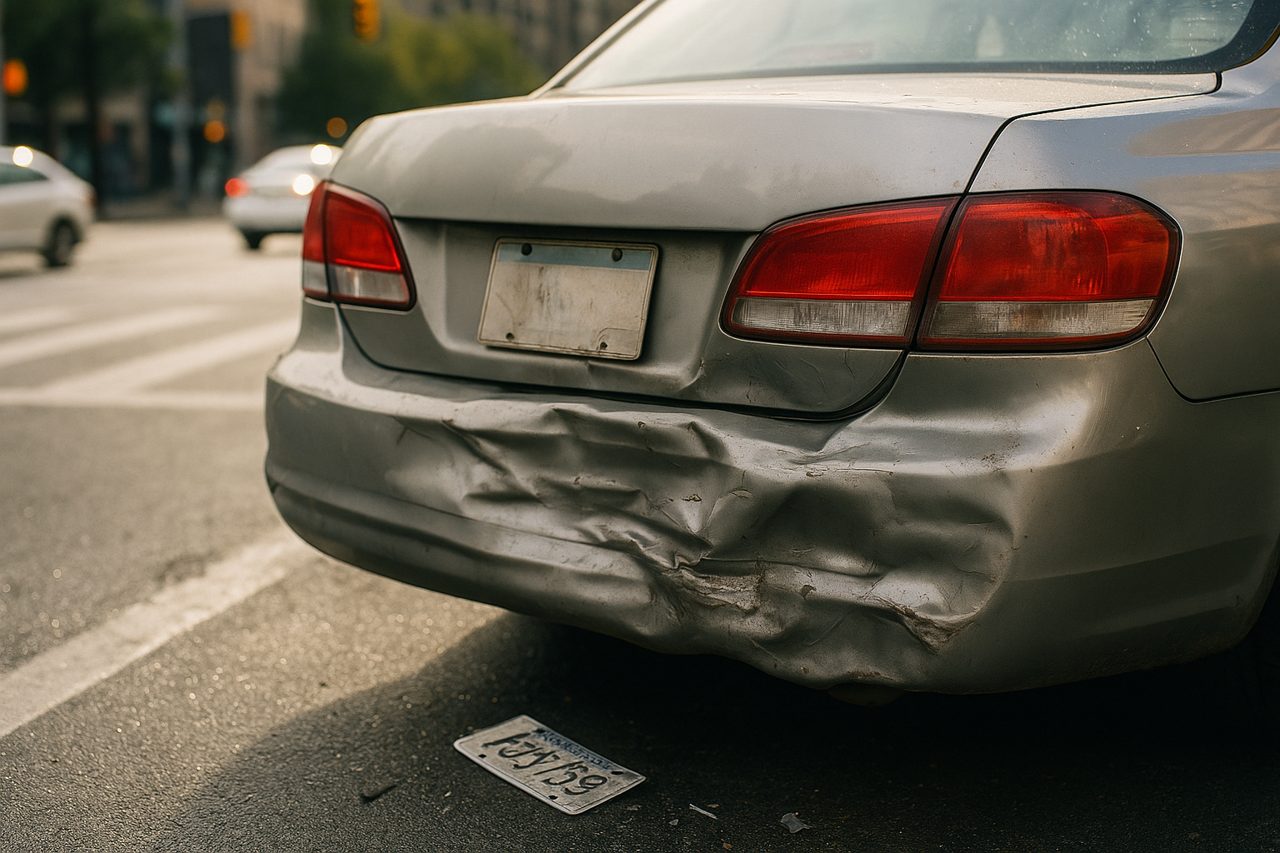
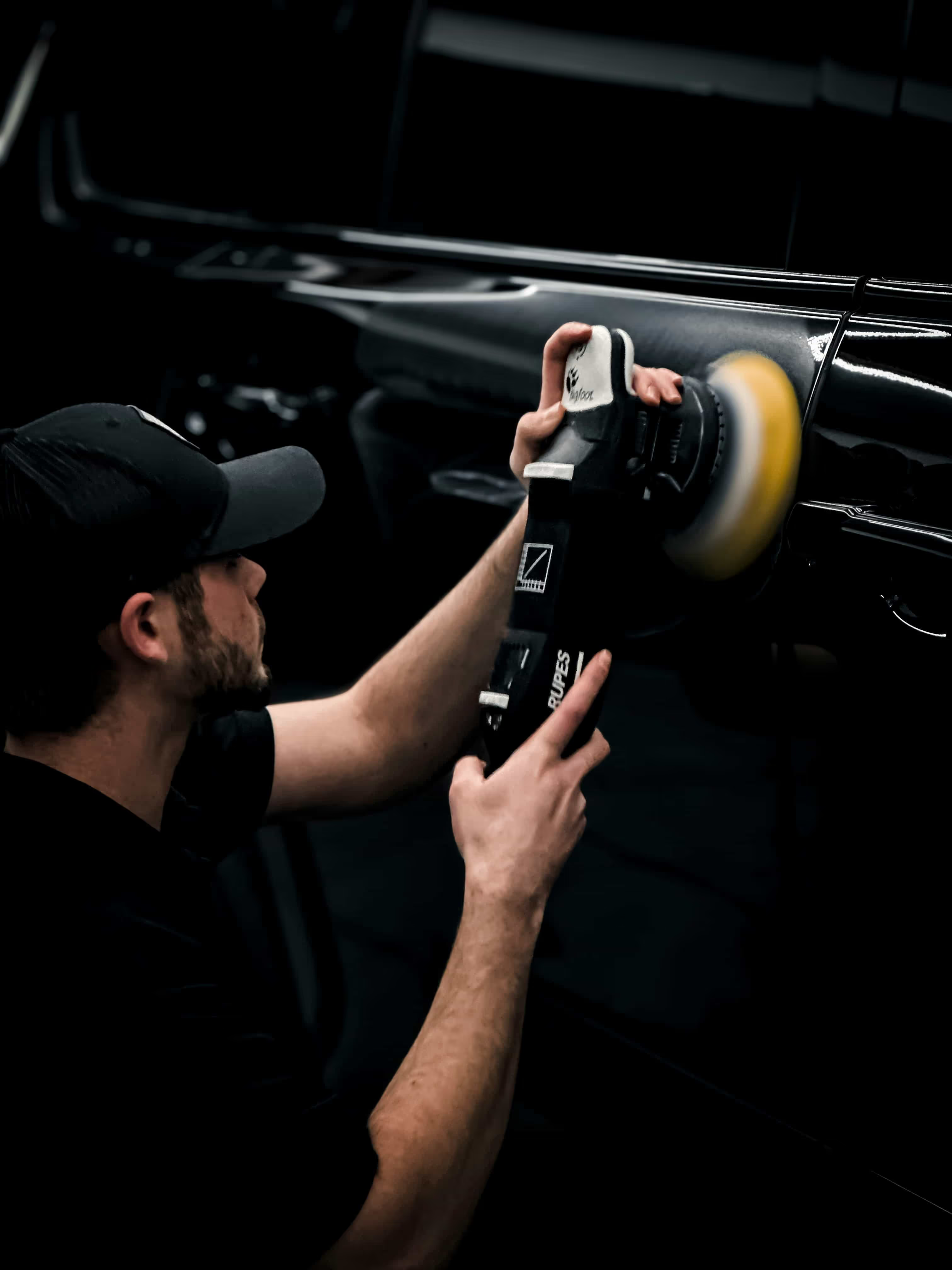
Car door damage after collision can range from minor dents and scratches to serious structural problems that affect vehicle safety. Even a seemingly small impact can damage hinges, door latches, window mechanisms, or internal reinforcement components. Understanding the extent of the damage helps drivers determine whether a repair is sufficient or a replacement is necessary.
After an accident, inspecting the affected door should be a priority. A door that does not close properly, allows water to enter, or has damaged safety components can create problems during everyday driving. Addressing these concerns early may also prevent additional repair costs and protect the vehicle's resale value.
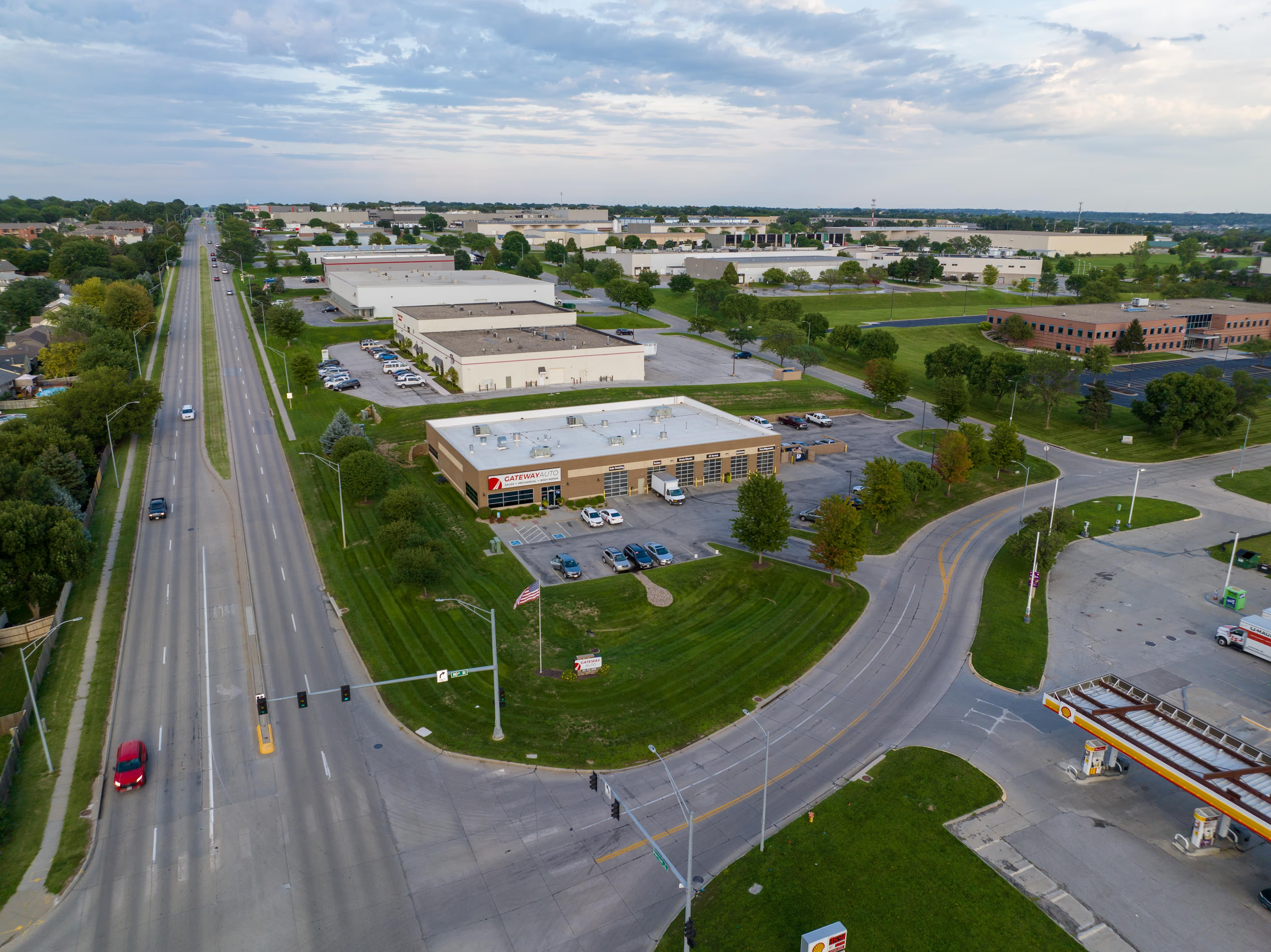
Whether dealing with a recent accident or evaluating a used vehicle, knowing what to inspect, how repairs work, and what insurance may cover can make the process easier. Gateway Auto in Omaha and La Vista offers vehicle sales and access to connected service and collision support, helping drivers navigate vehicle ownership with greater confidence.
Common Signs of Car Door Damage After Collision
Not all collision damage is immediately visible. An impact may leave a noticeable dent on the exterior while also affecting the door's internal components. Recognizing the warning signs helps drivers understand when a professional inspection is necessary.
Some common signs include:
- Uneven panel gaps: A door that sits higher, lower, or farther outward than surrounding panels may have shifted during impact.
- Difficulty opening or closing: Bent hinges, a damaged striker plate, or a misaligned latch can make the door difficult to operate.
- Unusual noises: Rattling, squeaking, or wind noise may indicate loose components, damaged seals, or alignment problems.
- Window and lock problems: A collision can affect power window regulators, wiring, door locks, mirrors, and electronic controls.
- Visible dents and creases: Deep dents, sharp folds, and damaged edges may indicate damage beyond the outer panel.
- Water leaks: Torn weatherstripping or a distorted frame can allow rainwater to enter the cabin.
- Airbag warning lights: A collision may affect side-impact airbag sensors or related electrical systems.
After an accident, inspect the affected door in a safe, well-lit location. Open and close it slowly, check the latch, and confirm that it remains securely shut. Verify that passengers can exit through the available doors and that seat belts operate correctly.
Do not drive a vehicle if a damaged door cannot latch securely, obstructs an emergency exit, or creates another immediate safety concern. Avoid holding a damaged door shut with tape, straps, or other temporary restraints for normal road use.
Doors equipped with side-impact airbags require special attention. Don't remove interior panels or attempt electrical repairs without the appropriate training. A qualified technician can inspect the wiring, sensors, and related safety systems to determine whether repairs are necessary.
Repair or Replace a Damaged Car Door?
Deciding whether to repair or replace a damaged door depends on the severity of the impact, the condition of internal components, and the vehicle's design. A small dent may require only cosmetic work, while structural damage can make a replacement necessary.
When door repair may be suitable
Minor dents, paint scratches, and shallow creases can often be corrected without replacing the entire door. Paintless dent repair may work when the paint remains intact and the metal is accessible. Traditional bodywork is another option when the damage requires filling, reshaping, sanding, and repainting.
Repairing the original door may reduce parts costs and preserve its existing fit. However, the technician must confirm that the internal structure, hinges, latch, and safety components remain in acceptable condition.
When may door replacement be necessary?
Replacement may be appropriate when the door is extensively deformed, severely corroded, has damaged internal reinforcement, or the frame cannot be restored to proper alignment. A broken latch or badly bent window frame may also affect the repair decision.
Newer vehicles can present additional challenges because doors often contain advanced electronic systems. Blind-spot sensors, power mirrors, cameras, wiring, and other equipment may require additional installation work or calibration.
The following table outlines common situations that can help drivers understand the available options.
Before authorizing work, request an itemized estimate that identifies parts, labor, painting, and any necessary electronic calibration. Comparing estimates can help clarify the financial differences between repair and replacement.
How much does car door repair cost?
The cost varies according to the vehicle's make and model, the location of the damage, labor rates, and parts availability. A basic dent repair generally involves fewer expenses than replacing a complete door assembly.
A standard used vehicle may have readily available replacement parts through automotive recyclers. In contrast, a newer sports car, a model with advanced technology, or a vehicle with a distinctive paint finish may require more specialized parts and labor.
Insurance coverage can also affect the amount paid out of pocket. If the damage resulted from a covered collision, comprehensive or collision coverage may apply depending on the circumstances and policy. Compare the estimate with the deductible and review the policy before filing a claim.
Insurance Claims and What to Do After an Accident
Dealing with insurance after a collision involves documenting the damage, understanding policy terms, and coordinating the repair process. Acting promptly helps preserve useful information and gives the insurer a clearer picture of what happened.
Start by photographing the damaged door from several angles. Include close-up images of dents, scratches, broken components, and the surrounding panels. Take additional photographs of the entire vehicle to document the overall condition.
Keep copies of the accident report, repair estimates, correspondence with the insurer, and any other relevant records. If another driver was involved, retain the available contact and insurance information.
Before proceeding, review the following steps:
- Contact the insurance provider: Report the accident according to the requirements of the policy.
- Document the damage: Take photographs and record visible problems with the door and nearby components.
- Arrange an inspection: Have a qualified repair professional assess visible and hidden damage.
- Review the estimate: Check the proposed work, replacement parts, labor, paint costs, and additional charges.
- Compare costs with the deductible: Determine how much of the repair expense may be covered.
- Confirm repair authorization: Follow the insurer's process before approving work that requires its involvement.
Insurance coverage depends on the policy, the cause of the damage, and applicable rules. Collision coverage may help pay for damage caused by an accident, while other coverage may apply in different circumstances. A deductible is generally the portion the policyholder pays before applicable insurance benefits cover eligible expenses.
Drivers should also ask how the claim may affect their insurance history, premiums, and future coverage. The answer can vary according to the insurer, policy, and circumstances of the accident.
For drivers in Omaha, Gateway Auto Sales provides access to connected service and collision support under its broader automotive brand. Having a clear repair estimate and understanding the available support can make it easier to coordinate the next steps.
Car Buying and Used Cars - How to Spot Previous Door Repairs
During car buying, checking for previous collision damage can help prevent unexpected repair expenses. A vehicle with a repaired door is not automatically a poor purchase. The quality of the previous repair, the condition of the surrounding structure, and the availability of maintenance records all contribute to a more informed assessment.
Begin by examining the exterior in natural daylight. Look for differences in paint color, gloss, or texture between the doors and adjacent panels. Paint overspray on rubber seals, handles, or trim may indicate previous refinishing work.
Next, inspect the panel gaps. Doors should align evenly with the surrounding bodywork. A door that sticks out, rubs against another panel, or requires unusual force to close may have alignment problems.
Open the door and examine the hinges, striker plate, jamb, and weatherstripping. Scratched hinge bolts, chipped paint around mounting points, or missing factory labels can indicate previous adjustments or replacement work. These signs do not confirm collision damage on their own, but they may justify further investigation.
A vehicle history report can provide additional information. Use the VIN number to check available accident records, ownership history, and reported repairs. Keep in mind that not every collision or repair appears in vehicle history databases.
During a test drive, pay attention to wind noise, rattling, water leaks, and unusual movement around the doors. Test all power windows, locks, mirrors, speakers, and interior handles. If something feels or sounds unusual, request an inspection before completing the purchase.
A pre-purchase inspection by a qualified technician can identify problems that a visual check may miss. This is particularly useful when buying a vehicle with an unclear maintenance history or signs of previous bodywork.
Classic Car and Used-Car Market - Get an Omaha Inspection
Vehicle repair requirements vary depending on age, construction, technology, and replacement part availability. Understanding these differences helps drivers evaluate collision damage and determine the appropriate repair approach.
For classic cars, original body panels, older hardware, and previous restoration work may require specialized attention. Finding matching parts for rare models can be challenging, particularly when preserving originality matters. Owners of cars classic in design or historical value should pay close attention to structural condition, corrosion, and the quality of previous repairs.
Older vehicles may also have rust around door frames, worn hinges, outdated wiring, or deteriorated seals. These issues can become more noticeable after an impact. Inspecting the surrounding pillars, mounting points, and door alignment helps identify problems that may not be visible from the outside.
Modern vehicles introduce different repair considerations. A late-model vehicle may feature electronic locks, power mirrors, advanced driver assistance systems, and integrated safety equipment. Depending on the model, collision damage may require diagnostic tools, electronic testing, or sensor calibration to restore proper operation.
Sports cars and muscle cars can present additional challenges because of specialized body panels, distinctive paint finishes, and limited replacement part availability. Repair estimates may reflect sourcing difficulties, specialized labor, and the work required to match the original appearance.
When evaluating a vehicle after a collision or before purchasing a used one, consider these factors:
- Overall body condition: Look for uneven panel gaps, corrosion, and evidence of previous collision repairs.
- Parts availability: Check the cost and availability of suitable replacement components.
- Door components: Inspect hinges, latches, seals, and internal reinforcement for damage or wear.
- Service history: Review maintenance records and documentation of previous repairs.
- Safety compatibility: Confirm that replacement components are compatible with the vehicle's electronic and safety systems.
- Vehicle suitability: Consider how the car fits your daily driving needs, budget, and long-term ownership plans.
For shoppers in Omaha, Nebraska, evaluating different vehicles in the used-car market involves comparing condition, repair history, and expected ownership costs. Access to reliable inspection resources and appropriate diagnostic tools can help identify potential issues before they become expensive repairs. A professional assessment also provides useful information when deciding whether a vehicle meets your needs.
Get Help With Your Next Vehicle Decision at Gateway Auto Sales
Car door damage after a collision can affect vehicle safety, repair costs, and long-term condition. Inspecting the hinges, latch, alignment, internal structure, electronics, and weather seals helps identify potential problems and determine the appropriate repair options. Whether the damage is cosmetic or structural, a professional assessment can clarify the work required, including related services such as rocker panel repair when the impact affects the lower body structure.
Gateway Auto in Omaha and La Vista offers clean-title used cars, flexible financing options, and a low-pressure buying experience. As part of the larger Gateway Auto family, the dealership also connects customers with service and collision support to help address vehicle concerns.
Visit Gateway Auto Sales to browse available vehicles, learn about financing options, and access connected automotive services. Find the information and support needed to make informed decisions about vehicle ownership and repairs.