


.avif)
Why do repair estimates change after teardown? Repair estimates often change after teardown because the first inspection can only cover damage that is visible or measurable before damaged pieces come off. Once a technician removes a bumper cover, lamp, trim panel, wheel liner, or other affected part, hidden damage may come into view.
That added damage can change the parts list, labor time, refinishing work, calibration needs, and repair sequence. The shop then updates the repair plan and may send an insurance supplement with photos, measurements, and supporting procedures.
A higher number does not automatically mean the first estimate was careless. The initial figure is a starting point based on the information available at the time. Teardown replaces assumptions with a closer look at the areas behind the visible impact.
For drivers, the main concern is whether the change is clearly documented. A good auto body shop should show what was found, explain why the added work is needed, and outline how approval could affect cost and timing.
What Collision Teardown Can Reveal
A collision teardown is the careful removal of pieces that block access to the damaged area. The amount of disassembly depends on where the vehicle was hit. A front impact may require removal of the bumper cover, grille, lights, splash shields, and wheel liners. A side impact may require door trim, moldings, or interior panels to come off.
The outer panel does not always show how far the force traveled. A bumper cover can spring back after impact while the absorber, reinforcement bar, brackets, or mounting tabs behind it remain cracked or bent. A dented fender can hide damage around the apron or mounting points. A rear hit can affect wiring, parking sensors, the trunk floor, or pieces behind the interior trim.
Modern vehicles also place cameras, radar sensors, lighting modules, airbag components, cooling parts, and electrical connectors behind painted surfaces. A shifted bracket or pinched wire may not be obvious during a walk-around, yet it can affect how a safety or driver-assistance system works after the body work is finished.
The tear-down can also change a repair-versus-replace decision. A panel that looks repairable from the outside may have stretched metal, a torn seam, or damage on the reverse side. In other cases, better access may show that a part first marked for replacement can be repaired properly. The closer view can raise or lower individual line items.
This stage gives the technician a chance to compare the actual condition with manufacturer repair information. That may identify one-time-use fasteners, corrosion protection, weld requirements, scan procedures, or calibrations that were not clear during the first visual review.
Common Reasons for an Estimate Change
Hidden damage is the most familiar reason for a revised figure, but it is not the only one. The scope can also shift when the shop confirms the correct repair method, learns that a needed part is unavailable, or finds an issue during test fitting and reassembly.
An estimate is a working plan based on facts available at a certain point in the job. Each new finding should connect to a documented operation, item, or procedure. The table shows common triggers and how they can affect collision repair.
| What is found | Why it was not on the first figure | Possible effect on the repair plan |
|---|---|---|
| Bent brackets or broken mounting points | They were covered by exterior parts | Added labor, fasteners, or replacement pieces |
| Damaged wiring, sensors, or connectors | The outer panel blocked access and testing | Electrical work, scanning, or calibration |
| Structural movement or alignment concerns | A closer inspection or measurement was needed | Measurements, straightening, or additional procedures |
| Cracked paint or reverse-side panel damage | The full condition was not visible outside | A different repair method or refinishing plan |
| Part availability or manufacturer updates | The issue appeared after research or ordering | A changed part choice, added steps, or schedule shift |
The exact effect depends on the vehicle, impact, repair procedure, and insurance coverage.
A change should not be a vague add-on. The revised document should identify the damaged area, required parts, labor operations, paint materials, and related procedures. When measurements or manufacturer instructions support the change, the shop can include them with the file.
Sometimes one new finding leads to several connected steps. A damaged sensor bracket may require replacement, a scan, aiming, and calibration after reassembly. Looking only at the price of the bracket would miss the work needed to return the system to proper operation.
How the Supplement Process Works
When insurance is involved, added work is usually handled through a supplement. A supplement is a request to add documented damage or procedures that were not included in the insurer or shop's initial estimate. It is a normal part of many claims, especially when exterior pieces had to be removed before the full condition could be confirmed.
The shop and insurance company may use different estimating systems or labor assumptions, so the review can involve questions and revisions. Approval is controlled by the insurer and the policy. The repair facility supplies the technical information and communicates what the vehicle needs.
The estimate process may go through several versions before the scope is settled. One update may cover additional damage behind a bumper, while another may reflect a part-price change or a manufacturer procedure confirmed later. Each version should be dated and tied to the same claim so the customer can see what changed. When estimate changes are organized this way, it is easier to separate newly discovered collision work from unrelated maintenance or prior damage.
A typical supplement process looks like this:
- The technician completes the planned disassembly and inspects the exposed area.
- The shop photographs the newly found damage and records measurements or repair procedures when needed.
- The estimator updates the parts, labor, materials, and operation list.
- The shop sends the supplement and supporting documents to the insurance company.
- The insurer reviews the request, asks for details, schedules an inspection, or issues approval.
- The shop updates the customer, orders approved items, and adjusts the expected completion date.
Work may pause while the insurer reviews the request. It may also pause if the newly identified part must be ordered. That wait can be frustrating, but moving ahead without a documented plan or needed approval can create billing and repair problems later.
You should still receive updates. Ask whether the supplement has been submitted, what is waiting for approval, and whether the vehicle is safely stored while the review is open. If the insurer changes or denies an item, the shop should explain how that decision affects the proposed work.
What the Revised Estimate Means for Cost and Timing
Your estimate may change without changing your deductible. The deductible is generally the amount assigned to the covered claim under your policy. Added approved work usually changes the claim total, not the deductible itself. Coverage varies, so confirm the details with your insurance company.
Out-of-pocket costs can still change if an item is not covered, if you choose work outside the claim, or if the policy limits payment in another way. Betterment, prior damage, custom equipment, and unrelated wear may be handled differently. The shop should separate collision-related work from customer-pay work so the numbers are easier to follow.
Timing can shift for several reasons. The insurer may need time to review the supplement. Newly identified components may need to be ordered. A calibration, alignment, diagnostic scan, or sublet service may need to be scheduled after assembly. A replacement item can also arrive late or damaged and require another order.
A revised completion date should be presented as the best current estimate, not a promise. Ask which steps are under the shop's control and which depend on approvals, deliveries, or outside services. That makes delays easier to understand and helps you plan for rental or other transportation needs.
A higher total can be stressful, but skipping confirmed damage to preserve the first number can cause poor panel fit, water leaks, warning lights, alignment issues, or safety-system problems. The goal is to base the work on the vehicle's actual condition, not force the job to fit an early visual assessment.
What to Ask About a Teardown Estimate
Clear communication matters as much as the paperwork. You do not need to understand every line in an estimating system, but you should be able to get a plain-language answer about the new finding and what happens next.
A trustworthy shop will connect each major change to visible documentation, a measurement, a manufacturer procedure, or a tested condition. It should also tell you when a decision belongs to the insurer rather than the repair team.
Questions worth asking include:
- What damage became visible after disassembly?
- Can I see photos, measurements, or repair information that supports the change?
- Which parts are being repaired, replaced, or reused?
- Has the supplement been sent, and what is still waiting for approval?
- Could the updated scope affect my deductible, rental coverage, or other costs?
- How does the new work affect parts ordering and the expected finish date?
Be cautious if the explanation stays vague, if added work appears without documentation, or if you are pressured to approve customer-pay charges you do not understand. It is reasonable to ask for a copy of the updated figure and time to review the changes.
It also helps to ask how the shop handles scanning, calibration, alignment, refinishing, corrosion protection, and quality checks. Not every collision needs all of those steps, but the team should be able to explain which ones apply to your vehicle and why.
Keep the original figure, updated versions, claim number, photos, approvals, and messages together. A clean paper trail makes it easier to compare changes and resolve questions with the shop or insurance representative.
Get a Clear Collision Repair Plan in Omaha
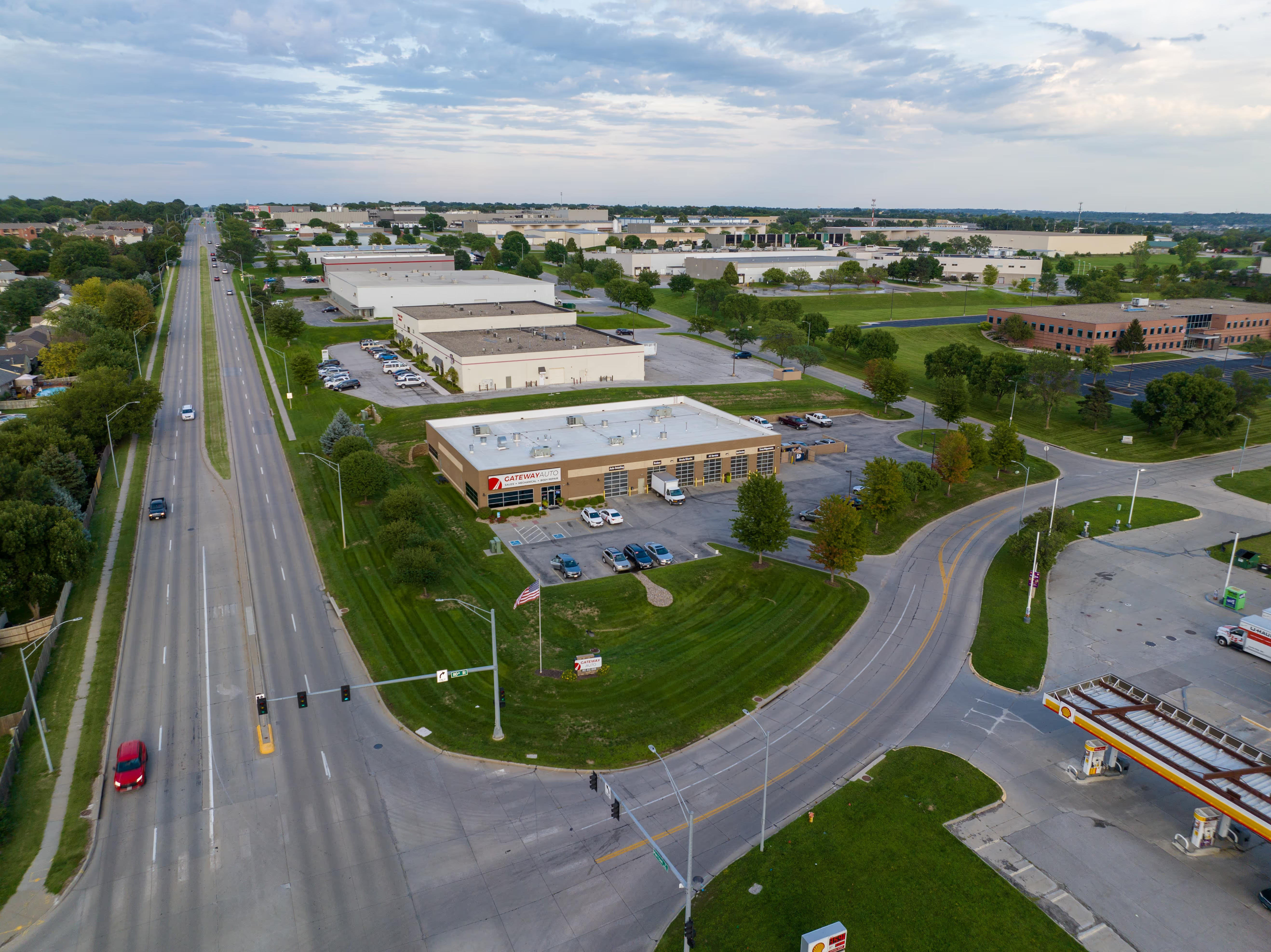
Gateway Auto has served Omaha-area drivers since 2002 and handles collision work at its Service & Collision Center in La Vista. Its I-CAR Gold Class team can inspect visible damage, complete the needed teardown, document added findings, and coordinate repair information with your insurer.
The team focuses on straightforward updates, so you can see what changed and why. If added damage affects the scope, Gateway Auto can review the revised plan, discuss likely timing, and explain which questions need to go to the insurance company.
Request a free body repair estimate online or contact Gateway Auto to schedule an inspection. If you already have a claim, bring the claim number and any estimate or insurer messages you have. If repairs are already underway, ask the team to walk you through the latest documented changes before the next stage begins.

.avif)
