
Rocker panel damage affects the metal structure beneath your vehicle's doors, extending between the front and rear wheel openings. This area is exposed to road debris, moisture, road salt, curbs, and other hazards that can cause dents, scratches, rust, or structural problems. While minor exterior damage may seem like a cosmetic issue, deeper deterioration can affect the vehicle's body strength, door alignment, and safety.
Understanding what is rocker panel damage helps vehicle owners recognize early warning signs and determine when professional repairs are necessary. A small paint chip or shallow dent may require limited attention, while extensive rust, crushed metal, or collision-related damage can involve hidden structural components.
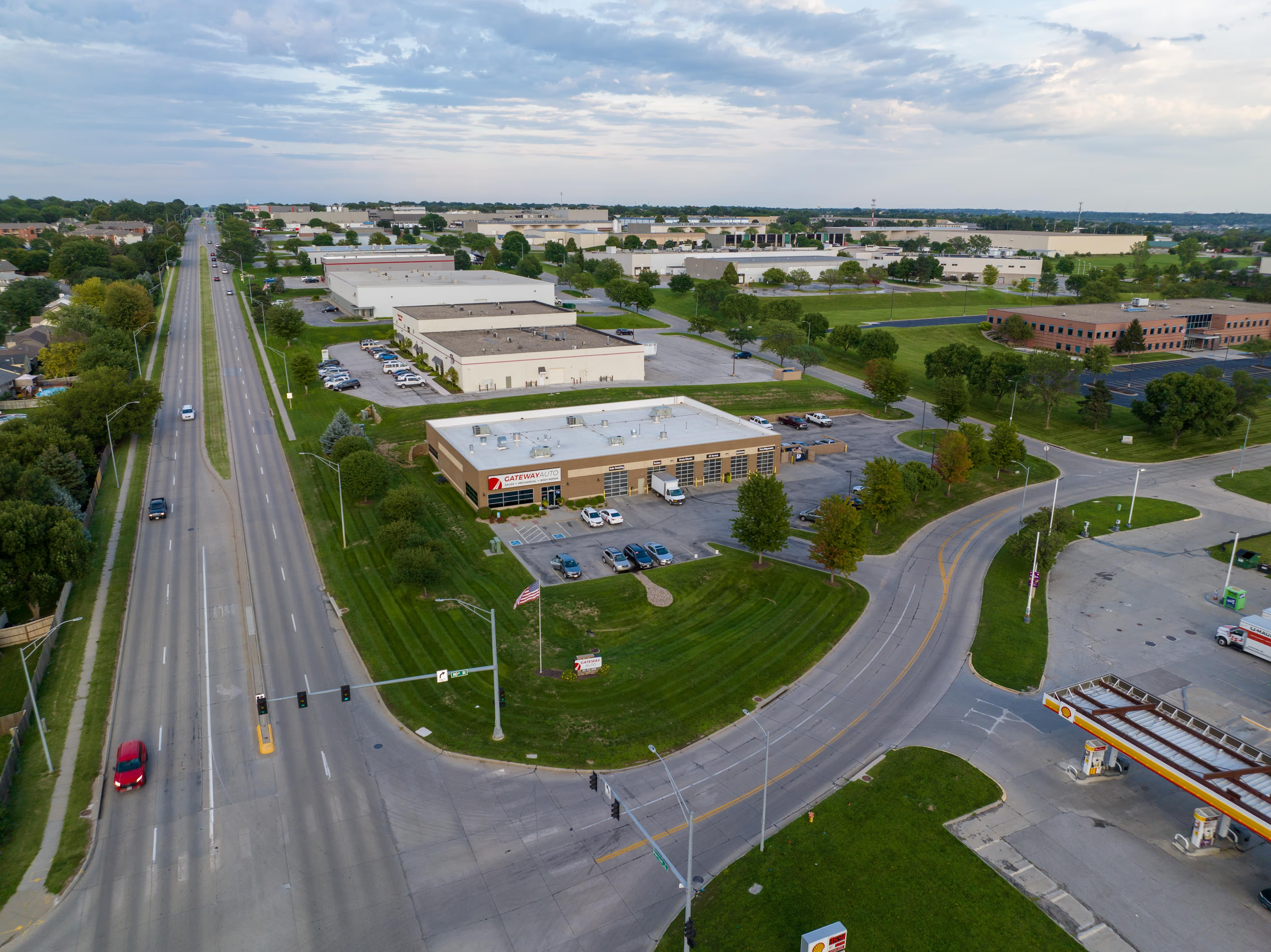
For drivers in Omaha and La Vista, changing weather conditions and winter road treatments can contribute to corrosion. Regular inspections, prompt repairs, and proper maintenance can help protect your vehicle's condition and value. Gateway Auto Repair, part of the Gateway Auto family, supports drivers with vehicle sales and access to connected service and collision support.
What Is Rocker Panel Damage and Where Does It Occur?
A rocker panel is the lower body section located directly beneath the vehicle's doors. It generally extends from the front wheel opening to the rear wheel opening, forming part of the structure along each side of the vehicle. Depending on the vehicle's design, the rocker panel may consist of an outer metal skin, internal reinforcement, and protective trim.
On many vehicles, rocker panels contribute to body rigidity and help maintain the shape of the door openings. They also connect with surrounding structural components, including the lower portions of the pillars. On four-door vehicles, the B-pillar section, located between the front and rear doors, meets the lower side structure.
Because rocker panels sit close to the road, they are frequently exposed to physical damage and corrosion. Their construction varies by vehicle model. Some vehicles have relatively simple outer panels, while others feature multiple metal layers, reinforced sections, running boards, or plastic cladding that can conceal damage.
Rocker panel problems generally fall into three categories:
- Cosmetic damage: Scratches, shallow dents, chipped paint, and minor surface imperfections that affect appearance without necessarily compromising structural strength.
- Corrosion damage: Rust that develops when moisture, road salt, or damaged protective coatings expose metal to oxidation. Severe corrosion can create holes and weaken the surrounding structure.
- Structural damage: Bent, crushed, or weakened metal caused by collisions, improper lifting, or extensive corrosion that may affect body rigidity, door alignment, or designated lifting points.
The visible exterior does not always reveal the full extent of a problem. Rust may develop behind trim or inside seams before becoming noticeable from outside. Similarly, a relatively small dent after a collision may conceal damage to internal reinforcement.
Recognizing these differences helps determine whether the vehicle needs cosmetic work, corrosion treatment, panel replacement, or a more detailed structural inspection.
Common Causes and Warning Signs of Rocker Panel Damage
Rocker panels face several environmental and physical hazards throughout a vehicle's lifetime. Identifying the source of damage can help drivers understand how quickly the condition may worsen and what type of repair may be necessary.
Common causes include:
- Road salt and moisture: Saltwater from winter roads can collect in seams, drain openings, and hidden spaces behind protective trim. Over time, trapped moisture accelerates corrosion.
- Curb strikes and road debris: Contact with tall curbs, potholes, gravel, and other obstacles can scrape paint, dent the outer panel, or bend the lower edge.
- Improper vehicle lifting: Placing a jack incorrectly can crush the pinch weld or deform the rocker panel, potentially compromising a designated lifting point.
- Collision impacts: Side-impact accidents can damage both the visible panel and internal reinforcement, even when exterior damage appears limited.
- Aging protective coatings: Paint and undercoating can deteriorate over time. Once bare metal becomes exposed, rust can develop and spread.
Recognizing early symptoms can help prevent a small problem from developing into extensive body repairs. Pay attention to the following signs:
Not every warning sign indicates structural damage. A shallow dent may affect appearance without weakening the vehicle, while corrosion hidden beneath a seemingly intact surface can be more extensive than expected.
If you notice several symptoms together, especially after a collision or impact, arrange an inspection rather than relying on a visual assessment alone.
How Rocker Panel Damage Affects Vehicle Safety
Rocker panels contribute to the structure surrounding a vehicle's passenger compartment. Depending on the vehicles model and its construction, reinforced rocker sections can help maintain body rigidity and support the areas around the doors.
When a rocker panel becomes severely rusted, bent, or crushed, the damage can extend beyond the exterior surface. Internal reinforcements, nearby pillars, and lower door openings may also be affected. This can interfere with door alignment, body strength, and the vehicle's ability to respond to certain impacts.
Watch for these warning signs:
- Doors that suddenly become difficult to open, close, or latch.
- Uneven gaps around doors.
- Deep dents or deformation near the lower door openings or B-pillar.
- Severe corrosion around structural seams.
- Bent or weakened lifting points that may compromise safe vehicle support.
Rocker panel damage can also occur alongside other collision-related problems. Depending on the vehicle's design and the severity of the impact, nearby wiring, underbody shields, weather seals, sensors, or automotive glass may require inspection. A qualified collision technician can identify related problems and determine the necessary repairs.
Can you drive with a damaged rocker panel?
Whether a vehicle can be driven safely depends on the severity and location of the damage. Minor scratches or shallow dents may not affect normal operation. However, crushed panels, extensive corrosion, exposed sharp metal, or damage that interferes with door operation require prompt professional attention.
Avoid driving if significant structural deformation has occurred, doors cannot latch securely, or other safety-related problems are present. Damaged lifting points should also be inspected before any maintenance that requires raising the vehicle.
Rocker panel damage does not automatically mean the vehicle has frame damage. Many modern vehicles use unibody construction, where the body and structural components form an integrated structure, while others have a separate frame. Severe rocker damage can affect structural areas in either design, but the extent of the problem depends on the vehicle's construction and the location of the impact.
A professional inspection can establish whether the damage is limited to the outer panel or extends into structural components. This assessment helps determine the appropriate repair method and whether additional work is needed before the vehicle returns to normal use.
Rocker Panel Repair Options and Replacement Costs
The appropriate rocker panel repair depends on the extent of corrosion, the location of the damage, the vehicle's construction, and whether internal reinforcement has been affected. A small dent may require limited bodywork, while severe rust or collision damage can involve replacing structural sections and inspecting surrounding components, including the B-pillar section and the rear sections of the vehicle's lower body.
Common repair options include:
- Paintless dent repair: Suitable for certain shallow dents when the paint remains intact and the metal is accessible. It may not be appropriate for sharply creased or structurally weakened panels.
- Minor body repair and refinishing: Scratches, small dents, and limited surface damage may be repaired through metal reshaping, surface preparation, repainting, and protective finishing.
- Rust removal and treatment: Surface corrosion may be removed, followed by corrosion protection and refinishing. Perforated or deeply weakened metal generally requires more extensive repairs.
- Partial rocker panel replacement: When damage is limited to a specific area, a technician may replace an approved section rather than the entire panel, depending on manufacturer repair procedures.
- Complete panel replacement: Extensive corrosion, severe impact damage, or compromised structural sections may require replacing the affected panel and restoring surrounding components.
Rocker panel replacement costs vary depending on labor, vehicle construction, parts availability, paint requirements, corrosion severity, and additional structural work. A straightforward outer panel repair may involve relatively limited work, while extensive rust removal, welding, reinforcement replacement, and refinishing can increase the total expense.
Is it worth fixing rocker panels? The decision depends on the vehicle's condition, repair costs, expected ownership period, and the severity of the damage. Minor cosmetic issues may be addressed according to personal preferences, while significant corrosion or structural damage warrants professional attention regardless of the vehicle's age.
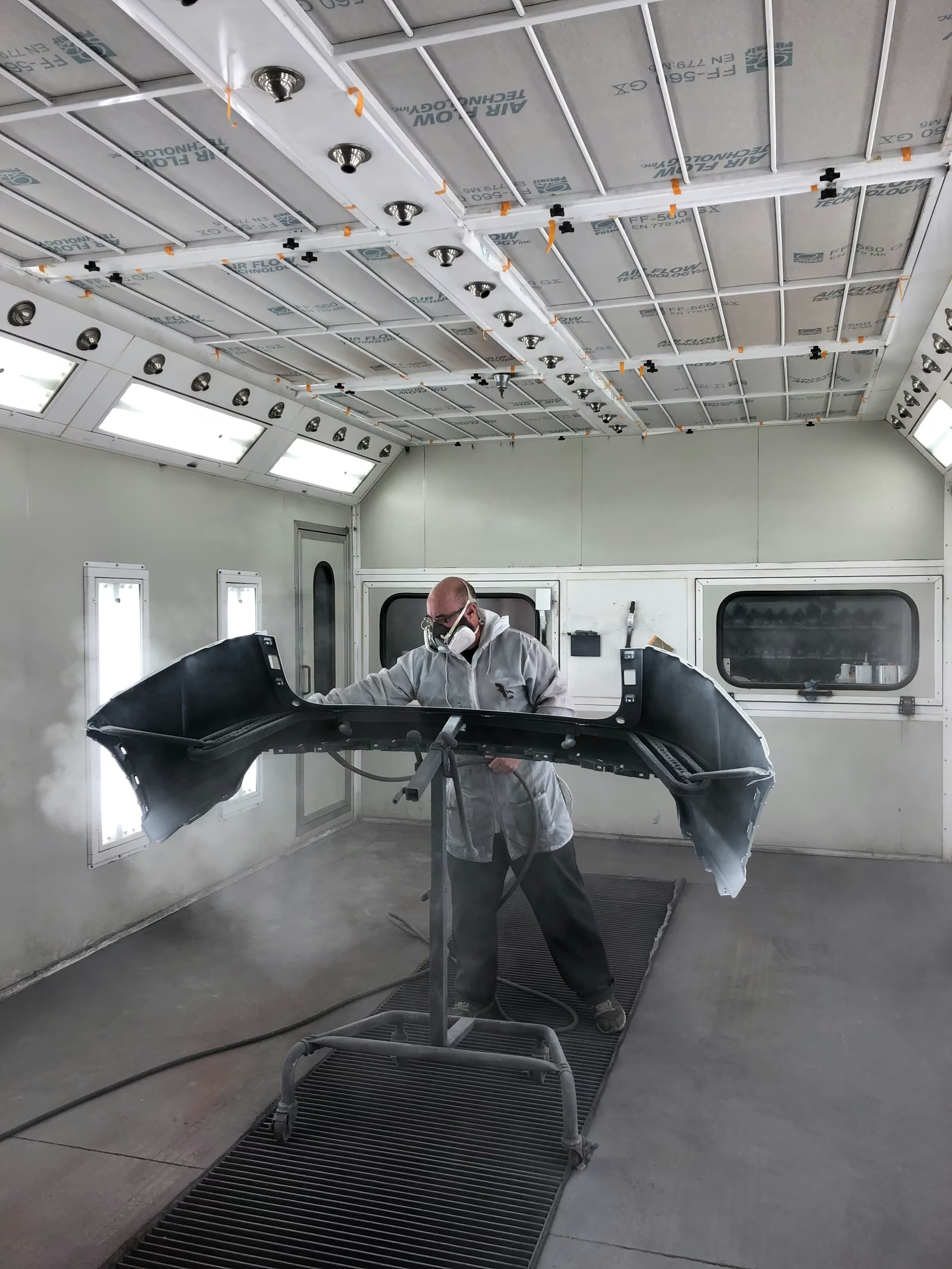
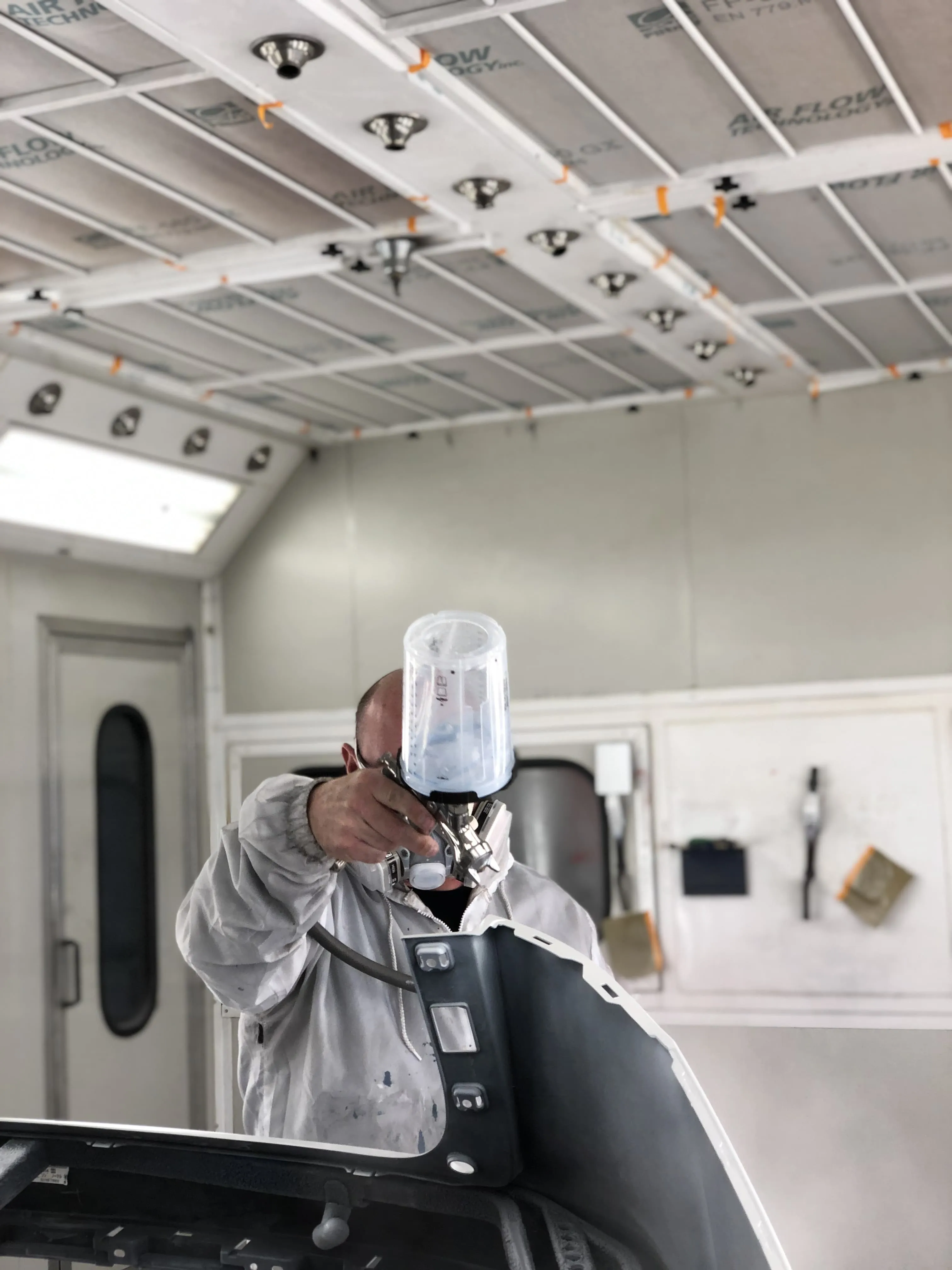
When selecting a repair shop, consider its experience with structural bodywork and access to appropriate equipment. Leading specialists in collision repair can assess the affected panel, identify hidden structural problems, and recommend repairs that follow applicable manufacturer procedures.
If the damage extends to nearby windows or other glass components, the shop may also need to inspect those areas. Technicians working in the glass industry use specialized glass tools and appropriate installation procedures to handle related repairs and help prevent leaks, wind noise, and fitment problems.
Before approving any repairs, request a written estimate that separates parts, labor, refinishing, and additional work. Ask the shop to document hidden corrosion or structural problems discovered during disassembly. Photographs of the repair process can also help clarify which components required attention.
Gateway Auto's connected service and collision support can help drivers navigate vehicle care and collision-related needs. If a rocker panel has been damaged in an accident or requires professional assessment, contact the appropriate service team to discuss inspection and repair options.
How to Prevent Rocker Panel Damage and Document Existing Problems
Although rocker panels are exposed to everyday road hazards, regular maintenance and careful driving can reduce the risk of damage. Prevention also helps drivers recognize developing problems before they require extensive repairs.
Practical maintenance habits include:
- Rinse the undercarriage and lower body panels after driving on salted roads, particularly during winter.
- Repair chipped paint promptly to reduce the chance of corrosion spreading across exposed metal.
- Keep drainage openings clear according to the vehicle manufacturer's maintenance recommendations.
- Maintain adequate clearance when parking near high curbs, concrete barriers, and uneven surfaces.
- Use manufacturer-designated lifting points whenever a vehicle needs to be raised.
- Inspect areas behind removable trim when appropriate, particularly if the vehicle has a history of corrosion or impact damage.
- Check rocker panels periodically for rust, loose cladding, damaged paint, or changes in door alignment.
If damage occurs, keeping a simple record can help with inspections, insurance discussions, and future maintenance. Photograph the affected area from several angles, record the date and location, and note the circumstances surrounding the incident.
A useful damage log should include the following information:
- The date and location of the damage.
- The suspected cause, such as a curb strike, collision, or corrosion.
- Photographs showing the affected panel and surrounding areas.
- Any changes in door operation, water leaks, or unusual noises.
- Inspection reports, repair estimates, invoices, and photographs taken during repairs.
When choosing a collision repair provider, review customer feedback with attention to communication, workmanship, panel alignment, paint matching, and how concerns are handled after repairs. Ask about the technician's experience with your vehicle model and whether the proposed work follows applicable manufacturer procedures.
For repairs involving nearby glass or other connected components, confirm that the shop has the appropriate equipment and follows relevant installation and safety procedures. This can help reduce the risk of fitment problems, leaks, and other issues after the vehicle is returned.
A documented repair history can also support future resale discussions by showing how damage was identified and addressed. Keeping accurate records alongside routine service documentation gives prospective buyers a clearer picture of the vehicle's condition.
Get Professional Help for Rocker Panel Damage in Omaha
Rocker panel damage can range from minor cosmetic issues to serious structural concerns. Identifying damage early, understanding available repair options, and maintaining your vehicle can help preserve its appearance, condition, and long-term value.
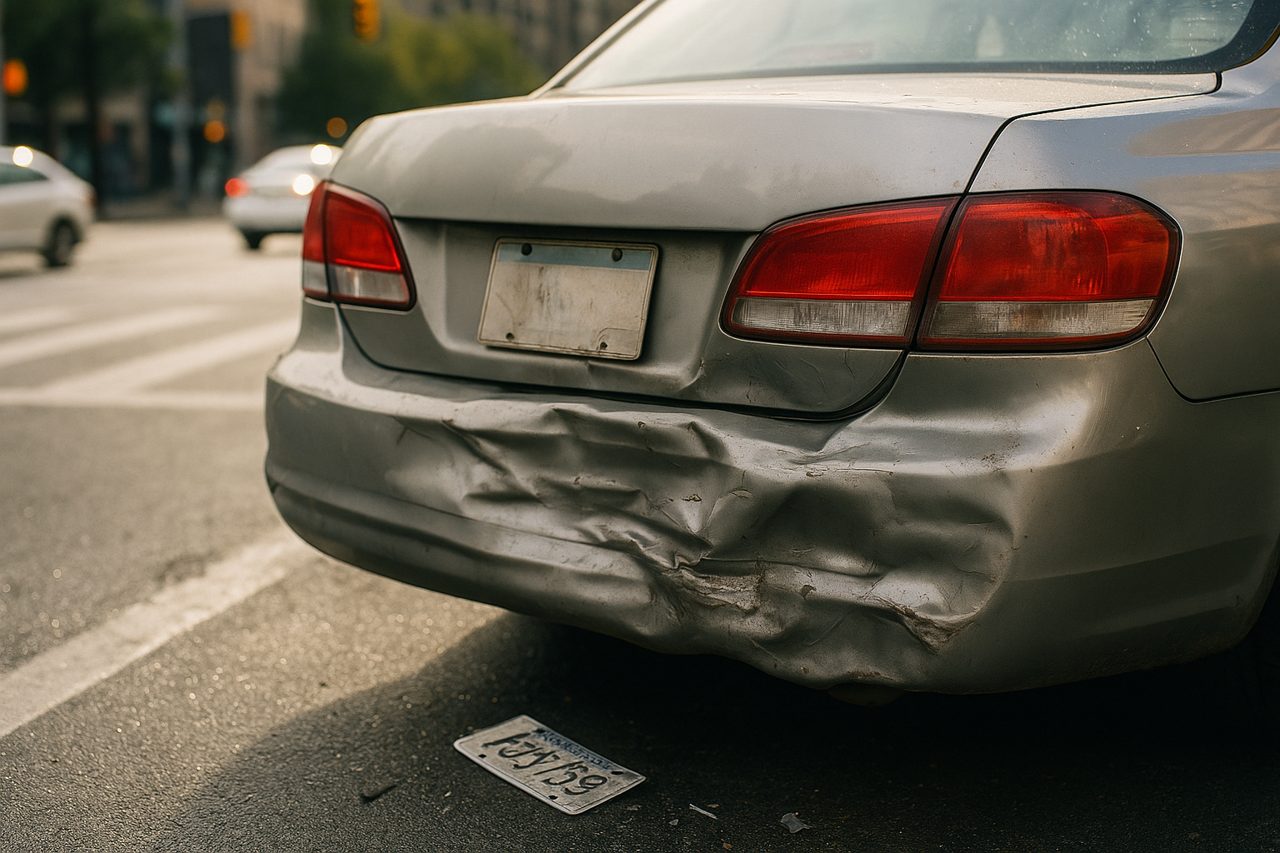
If you notice bubbling paint, rust, crushed metal, uneven door gaps, or damage following a collision, arrange a professional inspection. A qualified collision technician can assess visible damage, examine hidden structural areas, and recommend appropriate repairs. Depending on the impact, additional services such as bumper repair may also be necessary to address damage to surrounding body components.
Contact Gateway Auto Sales to learn about available vehicles, flexible financing options, and connected automotive support. Get the information and assistance needed to assess your vehicle's condition and make informed decisions about its care.