
Dashboard Warning Lights Meaning: Understanding Car Warning Lights and What They Indicate
Your dashboard is designed to get your attention before a vehicle issue becomes harder to handle. Some lights remind you about routine service, while others point to a problem that needs quick attention for safety, performance, or reliability. Understanding dashboard warning lights meaning can help you respond with confidence instead of guessing what your car needs.
For Omaha drivers, dashboard lights can feel especially frustrating because weather, potholes, stop-and-go traffic, and long commutes all put extra stress on your vehicle. A warning may appear after a cold start, during summer heat, or while driving across town. The symbol may be red, yellow, flashing, or steady, and each detail matters.
Gateway Auto helps drivers across the Omaha metro understand what their vehicles need without pressure or confusion. Our team handles diagnostics, oil changes, brake repair, electrical system repair, check engine light service, tire service, steering and suspension work, and other auto repair needs. When a dashboard light comes on, we read the code, inspect the related system, explain what we find, and help you decide what to do next.
Why Dashboard Warning Lights Matter
Warning/indicator lights that illuminate are built into your vehicle to help you respond before a small issue becomes a larger repair. They signify various conditions, from a loose gas cap to low oil pressure, charging system trouble, brake concerns, or a system malfunction. Your car communicates through these symbols because many problems are not visible or easy to feel right away.
The color of the light gives you a starting point. A red warning usually means you should stop driving as soon as it is safe. A yellow or amber light often means service is needed soon. A green, blue, or white light usually means a feature is active, such as high beams or cruise control.
Flashing lights need extra attention. A flashing engine light, for example, may point to a misfire that can damage the catalytic converter if you keep driving. A flashing brake or coolant temperature light can also mean something needs immediate attention.
Your owner’s manual can help identify the symbol, but it cannot confirm the cause. The same warning light can appear for several reasons. A check engine light might relate to ignition, fuel, emissions, sensor readings, or air intake. A brake system warning might come from the parking brake, low brake fluid, worn parts, or an electronic control issue.
That is why diagnostics matter. A code scan gives a direction, but a real diagnosis checks the condition behind the code. Gateway Auto uses modern diagnostic tools and hands-on inspection to find the source of the warning, then explains whether the repair is urgent, routine, or something to monitor.
Common Warning Lights and What They Mean
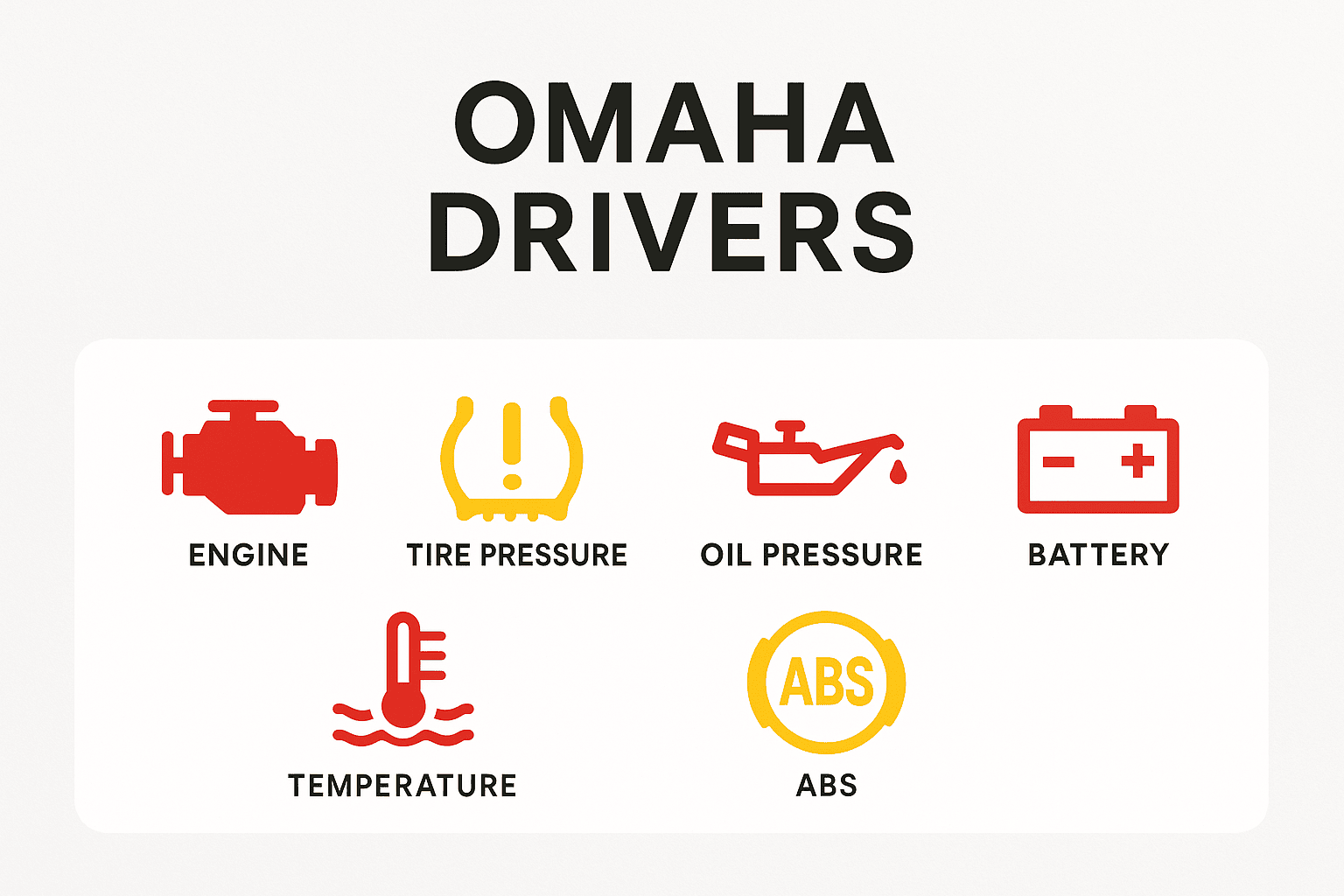
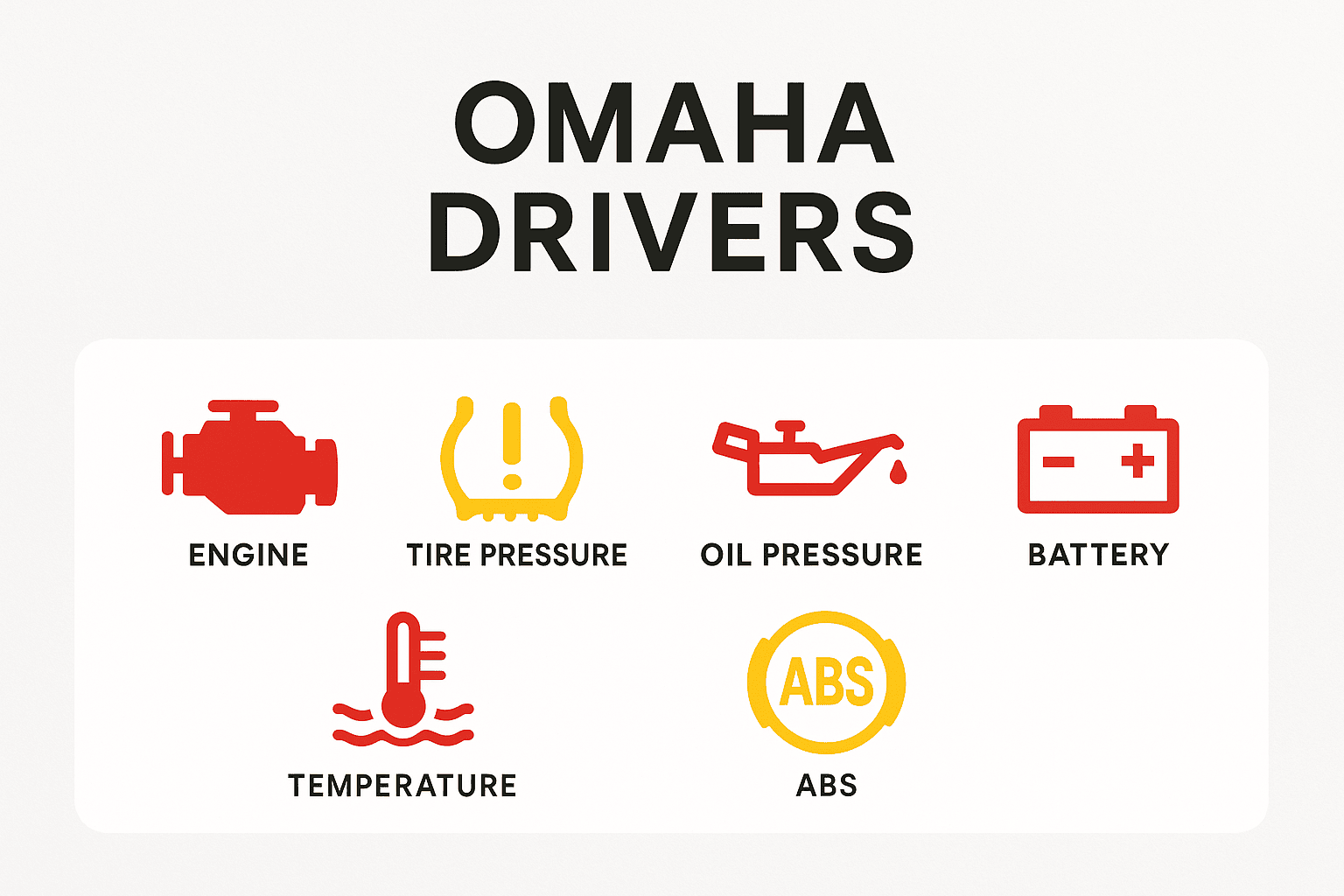
Most cars use similar warning symbols, though the exact design may vary by make and model. Dashboard warning lights meaning Toyota, Chevy, VW, and other brands may look slightly different, so always compare the icon to your manual. The response is often similar, especially when the light relates to oil pressure, battery charging, brakes, tire pressure, or engine performance.
- Oil warning (High urgency): May mean low oil pressure, a low oil level, or an oil circulation problem. Pull over safely, shut off the engine, and check oil level if safe.
- Battery light (High urgency): Points to a charging system problem, a weak battery, an alternator issue, or a loose connection. Limit electrical use and schedule service quickly.
- Engine light (Medium to High urgency): Can mean an engine, emissions, ignition, fuel, or sensor issue. Schedule diagnostics, and stop driving if the light flashes.
- Brake system (High urgency): May mean the parking brake is engaged, brake fluid is low, brake parts are worn, or there’s a hydraulic concern. Check the parking brake first, and get service if the light remains on.
- Tire pressure (Medium urgency): Means one or more tires may be underinflated. Check pressure, inflate to the correct level, and inspect for leaks.
- Airbag warning (Medium to High urgency): Points to a fault in the airbag or seat belt safety system. Schedule a safety system inspection.
- Coolant temperature (High urgency): Means the engine is overheating or there’s a coolant system problem. Pull over safely, turn the vehicle off, and let it cool.
- ABS (Medium urgency): Points to an anti-lock brake system issue. Brake carefully and schedule diagnostics.
Some warnings are simple to address, but others can affect safety or cause expensive damage if ignored. If you are not sure what a symbol means, take a photo of the dashboard and contact a trusted repair shop for guidance.
Oil Warning, Battery Light, and Engine Light Problems
The oil warning light is one of the most serious symbols on the dashboard. Oil protects internal engine parts by reducing friction and heat. When oil pressure drops, the engine may not be getting the lubrication it needs. Driving with this light on can lead to severe engine damage.
If the oil warning appears, don’t assume it only means you need an oil change. It may mean the oil level is low, the oil pump is failing, the pressure sensor is giving a bad reading, or the engine has a leak. Pull over safely, turn off the engine, and check the manual before continuing. If the light stays on, have the vehicle inspected before driving farther.
The battery light does not always mean the battery itself has failed. It usually means the charging system is not keeping the battery charged while the engine runs. The cause could be a failing alternator, loose belt, corroded terminals, damaged wiring, or a weak battery. If you keep driving, your vehicle may eventually lose electrical power and stall.
The engine light covers a wide range of possible issues. A steady engine warning may point to an emissions fault, loose gas cap, sensor problem, ignition issue, or fuel system concern. A flashing engine light is different. It may mean the engine is misfiring, which can damage the catalytic converter and reduce performance.
Watch for symptoms that appear with the warning:
- Rough idle, shaking, or hesitation when accelerating
- Burning smell, smoke, or fluid leaks
- Loss of power or poor fuel economy
- Hard starting or repeated dead battery problems
- Unusual noise from the engine, belts, or accessories
Gateway Auto can test the oil system, charging system, and engine controls to find the cause instead of guessing. That matters because replacing parts without diagnosis can waste money and leave the original problem unresolved.
Brake System, Tire Pressure, and Airbag Warning Lights
Brake, tire, and airbag warnings are directly tied to safety. They should not be treated as minor dashboard reminders, especially if the warning is red, flashing, or paired with a change in how the vehicle feels.
A brake system light may appear because the parking brake is still engaged. Start there. If the parking brake is fully released and the light remains on, the problem may involve low brake fluid, worn pads, a leak, a sensor fault, or a hydraulic issue. If the brake pedal feels soft, sinks toward the floor, vibrates heavily, or the vehicle pulls while braking, stop driving and get help.
The ABS light means the anti-lock brake system has detected a fault. Your regular brakes may still work, but the anti-lock feature may not respond the way it should during a hard stop or on slick roads. Omaha winters make that especially important because snow, ice, and slush can reduce traction fast.
The tire pressure light usually means one or more tires are low. Cold weather often causes tire pressure to drop, so many Omaha drivers see this light when temperatures change. Low tire pressure can reduce fuel economy, cause uneven wear, affect steering, and increase the risk of tire damage. Inflate the tires to the pressure listed on the driver door sticker, not the number printed on the tire sidewall.
An airbag warning means the restraint system has found a fault. In a crash, the airbags or seat belt pre-tensioners may not work as designed. Common causes include sensor trouble, wiring issues, seat belt buckle faults, or module problems. This light needs professional testing because safety systems require the right tools and repair procedures.
If a brake, tire pressure, ABS, or related safety warning appears, schedule service with Gateway Auto before the problem puts you, your passengers, or other drivers at risk.
How to Respond when Something Goes Wrong
When a warning appears, stay calm and look at the full situation. The symbol, color, vehicle behavior, and road conditions all help determine what to do next. Pull over if the vehicle feels unsafe, if the light is red, or if you notice smoke, overheating, loss of power, brake problems, or steering trouble.
Use these steps when a dashboard warning comes on:
- Check whether the light is red, yellow, flashing, or steady.
- Look for changes in steering, braking, shifting, engine sound, or temperature.
- Move to a safe location if the vehicle feels unstable or the warning looks urgent.
- Review your manual to confirm the symbol.
- Don’t ignore oil pressure, coolant temperature, brake, or flashing engine warnings.
- Call a repair shop if you are unsure whether the vehicle is safe to drive.
A warning light does not always mean a major repair is ahead. Many issues can be handled early with a small repair, reset, fluid correction, tire repair, or electrical fix. Waiting too long can turn a simple service visit into a breakdown.
Drivers who manage work vehicles or family cars should also keep records of warning lights, symptoms, mileage, and recent repairs. These notes help a technician connect the warning to driving conditions and recent service. For example, a battery light after a belt replacement, a tire pressure light after a temperature drop, or a check engine light after refueling can point the diagnosis in the right direction.
Gateway Auto keeps the process straightforward. We inspect the vehicle, explain what we found, review repair options, and help you plan the next step. If the vehicle should not be driven, our team can help you understand towing options and safe next moves.
Gateway Auto Helps You Drive with Confidence
Dashboard lights are easy to ignore when the vehicle still starts, drives, and sounds normal. That can be a costly mistake. These warnings are there to help you protect your engine, brakes, tires, battery, steering, transmission, and safety systems before a failure leaves you stranded.
When you need help with warning lights in Omaha, Gateway Auto is ready to assist with clear diagnostics and honest recommendations. Our auto repair team works on all makes and models and handles everything from check engine light testing to brake repair, battery and electrical service, oil changes, tire issues, cooling system problems, and suspension or steering concerns.
If a warning light is on now, take a photo of the symbol and schedule service with Gateway Auto. We’ll help you understand what your vehicle needs, what can wait, and what should be repaired right away so you can get back on the road with confidence.
Subscribe to Our Newsletter
Get maintenance tips, seasonal reminders, and Gateway Auto news straight to your inbox.
.avif)
%20(3).png)