
Engine Overheating Causes: Top Reasons for Overheating and How to Prevent Car Engine Damage
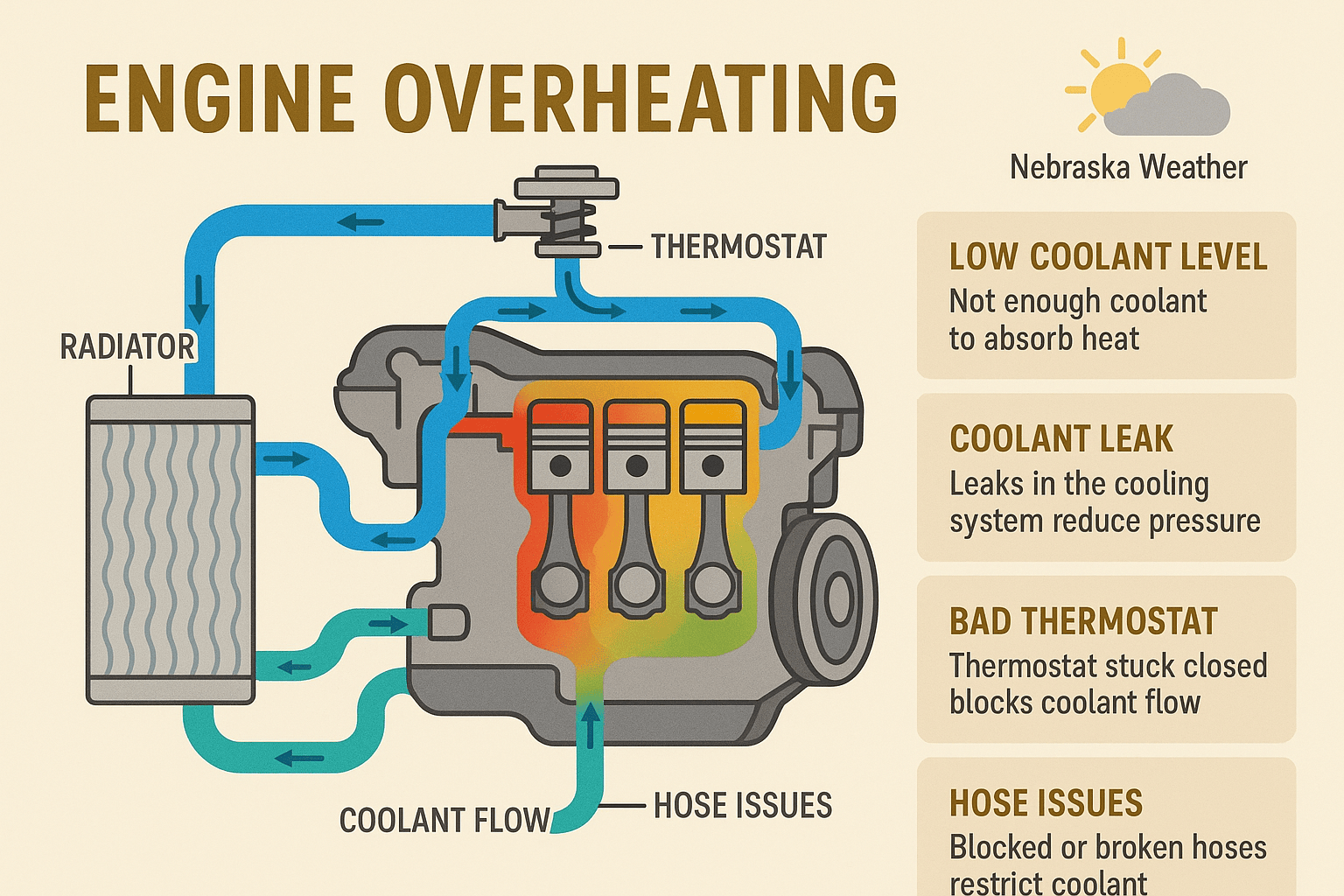
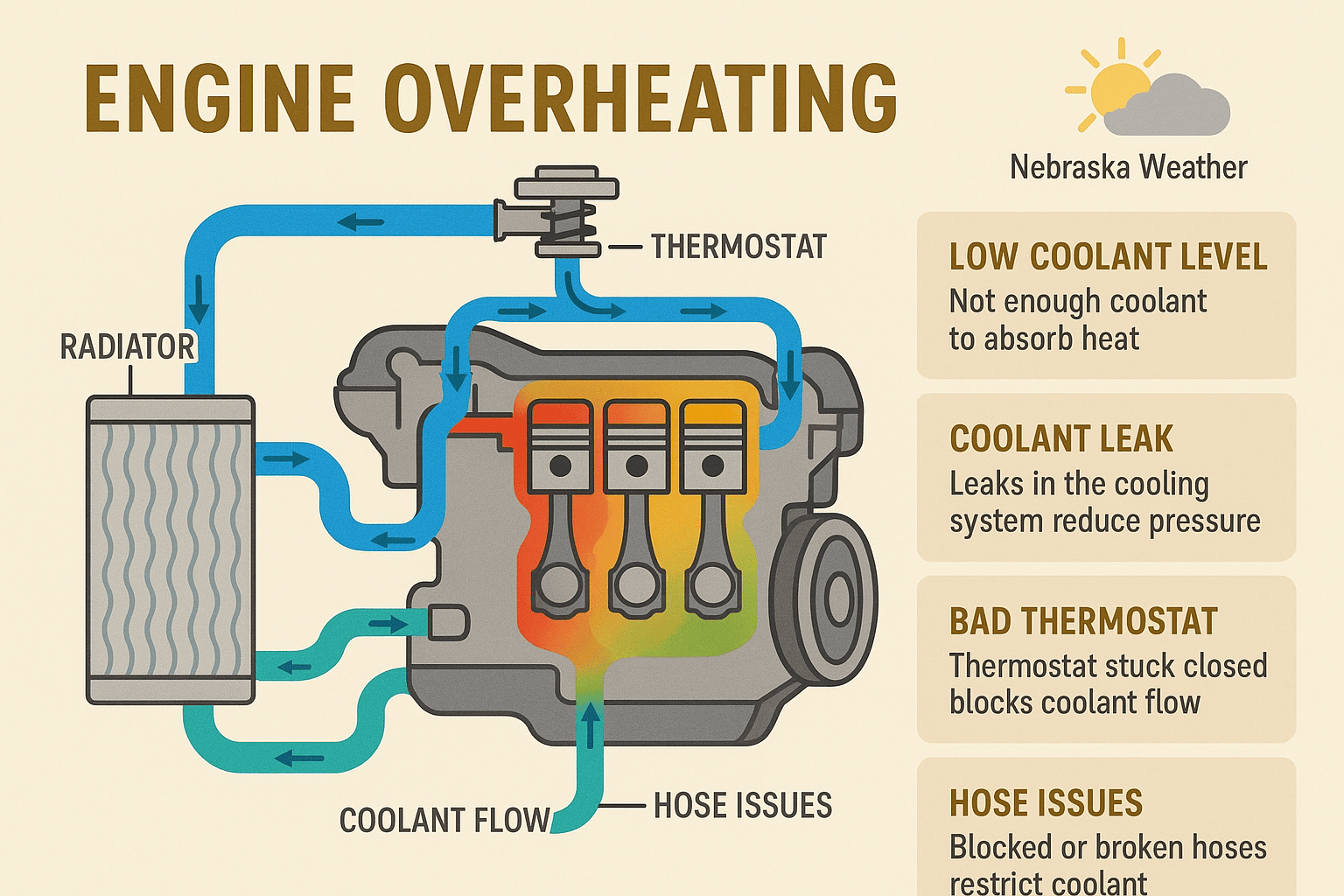
Your vehicle creates heat every time it runs. The cooling system, engine coolant, water pump, radiator, hoses, thermostat, oil, and fan all work together to keep the engine within a safe temperature range. Engine overheating causes can range from low coolant to a failing radiator fan, but the result is often the same. Heat builds up faster than the cooling system can control it, and the engine starts moving toward damage.
For Omaha drivers, that can mean being stranded during a busy commute, dealing with unexpected repair costs, or losing confidence in a car that usually feels dependable. Gateway Auto helps local drivers stay ahead of car overheating problems through clear inspections, practical repair advice, and trusted auto service. If your temperature gauge keeps rising, your coolant level drops often, or your vehicle shows signs of overheating, it’s better to act early than wait for a larger mechanical problem that can result in engine damage.
Warning Signs Your Vehicle May Be Overheating
An overheating car usually gives you some warning before the situation gets severe. The temperature gauge may climb toward the hot zone, the dashboard may show a warning light, or steam may rise from under the hood. These signs mean the engine is running hotter than it should, and continued driving may make the damage worse.
Some symptoms are less obvious. You may notice a sweet smell from leaking coolant, a burning odor from overheated oil, reduced power, ticking sounds from the engine, or a heater that suddenly blows cold air. A car overheating all of a sudden may also happen during stop-and-go traffic, after idling for a long time, or while driving in hot weather.
Drivers sometimes ask why a car keeps overheating and then going back to normal. That pattern can point to an intermittent thermostat problem, low coolant that shifts around the system, a weak radiator fan, trapped air in the cooling system, or a partial blockage in the radiator. The temperature may drop for a short time, but the underlying issue still needs attention.
Watch for these common signs of overheating:
- Temperature gauge rising above the normal range
- Steam, vapor, or a hot smell from under the hood
- Dashboard warning light related to temperature or coolant
- Coolant puddles beneath the vehicle
- Sweet, chemical odor from leaking coolant
- Burning smell from overheated oil or engine parts
- Loss of power, rough running, or ticking engine noise
If you notice any of these signs, treat them seriously. A quick check now can prevent a repair that costs far more later.
Common Problems That Cause an Overheating Car
Most overheating problems start when heat cannot move out of the engine the way it should. The cause may be simple, such as low coolant, or it may involve several worn parts working against each other. Poor car maintenance also raises the risk because coolant, oil, belts, hoses, and seals all age over time.
One of the most common causes is a cooling system leak. Coolant may escape through cracked hoses, a worn radiator, a damaged reservoir, a loose cap, or a failing water pump. Even a small leak can lower the coolant level enough to reduce heat transfer. When the system loses pressure, coolant may boil sooner, and the engine may overheat faster.
A faulty thermostat can also cause trouble. The thermostat controls coolant flow between the engine and radiator. If it sticks closed, coolant cannot move through the radiator to release heat. If it opens at the wrong time, engine temperature may swing up and down, which can make the problem harder to diagnose.
A clogged radiator may also lead to engine overheating. Dirt, rust, old coolant, sediment, or corrosion can restrict flow inside the radiator. Leaves, bugs, and road debris can block airflow across the front of the radiator as well. Both problems reduce the radiator’s ability to release heat.
Low engine oil can make overheating worse. Oil helps reduce friction inside the engine. When the oil level is too low or the oil is old and dirty, internal parts create extra heat. That added heat can overload a cooling system that is already struggling.
Exhaust or engine issues may also play a role. A restricted exhaust, head gasket leak, failing water pump, slipping belt, weak battery connection, or electrical fault can affect cooling performance. If heat problems come with shaking while you drive, the vehicle may need a broader inspection instead of a cooling system check alone. That’s why professional diagnosis matters when the cause is not obvious.
- Low coolant: Shows up as a low reservoir level, a warning light, or rising temperature. Coolant may be leaking, boiling off, or not filled properly. Check it only after the engine cools, then inspect for leaks.
- Cooling system leaks: Look for puddles, a sweet smell, or repeated coolant loss. Hoses, the radiator, cap, reservoir, or water pump may be damaged. Schedule a cooling system pressure test and repair the source.
- Faulty radiator fan: Often shows up as overheating at idle or in traffic. The fan may not be pulling enough air through the radiator. Have the fan motor, relay, wiring, and temperature sensor checked.
- Thermostat trouble: Temperature rises quickly or moves up and down. Coolant flow may be restricted or poorly timed. Replace the thermostat if testing confirms failure.
- Clogged radiator: Persistent overheating, dirty coolant, and poor heat transfer are common signs. Corrosion, debris, or sediment may be blocking flow. Inspect, flush, repair, or replace the radiator as needed.
Why Coolant Levels and Engine Coolant Condition Matter
Coolant is one of the main reasons your engine stays cool. It absorbs heat from the engine, carries it to the radiator, and helps release that heat into the air. It also protects against freezing, boiling, and corrosion inside the cooling system.
Low coolant is a hidden cause of overheating because the warning signs may appear slowly. You may top off the reservoir once and assume the problem is fixed, only to see the level drop again a few days later. Coolant does not disappear without a reason. A falling coolant level often points to a leak, a bad cap, a water pump issue, or an internal engine concern.
Engine overheating but coolant full can still happen. The coolant may be old, contaminated, trapped by an air pocket, blocked by a faulty thermostat, or unable to circulate because of a worn water pump. The radiator fan may also fail to move enough air across the radiator, especially while idling.
Coolant condition matters as much as the amount in the reservoir. Fresh coolant usually has a clean, consistent color. Old or contaminated coolant may look rusty, sludgy, oily, or cloudy. That can point to corrosion, neglected service, or a deeper engine problem. Using the wrong coolant type can also create deposits or reduce protection.
Always check coolant when the engine is cool. Opening a hot radiator or pressurized reservoir can release scalding steam and fluid. If the reservoir is low, add the correct coolant mixture for your vehicle, then look for leaks. If the level drops again, schedule service before driving long distances.
Regular coolant checks are especially helpful before road trips, during seasonal temperature changes, and after any repair involving hoses, the radiator, thermostat, or water pump. For Omaha drivers, summer heat, winter cold, and daily commuting can all place extra stress on a neglected cooling system.
The Radiator Fan, Oil, Battery, and Water Pump All Play a Role
The radiator fan helps control temperature when natural airflow is not enough. When you’re driving at higher speeds, air moves across the radiator on its own. When you’re stopped in traffic, parked with the engine running, or moving slowly through Omaha streets, the radiator fan pulls air across the radiator so coolant can release heat.
If the fan fails, the engine may run normally on the highway but overheat at idle. That pattern is a strong clue that airflow is part of the problem. A fan issue may come from a failed motor, damaged wiring, blown fuse, faulty relay, weak sensor, or a problem with the vehicle’s electrical system.
The water pump is another major part of the system. It keeps coolant moving through the engine and radiator. When a water pump wears out, coolant flow slows down or stops. Some water pump problems cause visible leaks. Others create noise, pulley movement, or overheating without an obvious leak.
Engine oil also supports temperature control. Low oil increases friction, and friction creates heat. Old oil can lose its ability to protect internal parts, especially under heavy load or hot weather. If your vehicle is overdue for an oil change and the engine is running hot, both systems should be checked.
The battery and charging system may seem unrelated, but they can affect cooling performance. Many modern vehicles rely on electric fans, sensors, and control modules. A weak battery, failing alternator, or poor electrical connection can keep the fan from working correctly.
Because these systems overlap, guessing can lead to wasted time and unnecessary parts. A proper inspection looks at coolant flow, pressure, leaks, fan operation, thermostat behavior, radiator condition, oil level, and electrical performance together.
What to Do when Your Car Overheats while Driving
If your car overheats while driving, your first job is to reduce heat and get to safety. Do not keep driving while the temperature gauge is in the hot zone. The longer the engine stays overheated, the greater the risk of warped parts, gasket failure, or internal damage.
Use these steps as a temporary fix for an overheating car while you get help:
- Turn off the air conditioner to reduce load on the engine.
- Turn the heater on high if you can do so safely, since it can pull some heat away from the engine.
- Find a safe place to pull over as soon as possible.
- Turn off the engine and let it cool for at least 15 to 30 minutes.
- Do not open the radiator cap while the engine is hot.
- Check the coolant reservoir only after the engine has cooled.
- Look for leaks, steam, damaged hoses, or fluid under the vehicle.
- Call for towing or roadside help if the temperature rises again, coolant is leaking, or the engine runs poorly.
Can you drive your car if the engine is overheating? In most cases, no. A short move to a safe shoulder or parking lot is different from continuing your trip. If the warning light stays on, the gauge remains high, or steam is coming from the hood, the safest choice is to stop and get help.
Knowing how to diagnose an overheating engine starts with the basics. Check coolant level, look for leaks, listen for fan operation, review recent service, and note when the overheating happens. Does it occur at idle, on the highway, after a long drive, or only when the air conditioner is running? Those details help a technician find the cause faster.
A quick top-off may get you off the road safely, but it is not a lasting repair if coolant is leaking or the engine keeps overheating. Repeated overheating should always be inspected by an auto repair professional.
Keep Your Life in Motion with Gateway Auto
Engine overheating can turn a normal day into a stressful one, but early action makes a real difference. Watch the temperature gauge, check coolant levels when the engine is cool, keep up with oil service, and pay attention to leaks, smells, steam, and warning lights. These habits help protect your vehicle and reduce the risk of expensive repair work.
Gateway Auto gives Omaha drivers a practical place to turn when car overheating problems show up. Our team can inspect the cooling system, test for leaks, check the radiator fan, evaluate engine coolant condition, review oil levels, and diagnose related engine or electrical issues. You’ll get clear information, straightforward repair options, and service focused on helping you make the right decision for your vehicle.
If your car has been running hot, losing coolant, or showing signs of engine overheating, schedule service with Gateway Auto. A cooling system check can help you catch the problem early, protect your engine, and stay confident on the road.
Subscribe to Our Newsletter
Get maintenance tips, seasonal reminders, and Gateway Auto news straight to your inbox.
.avif)
%20(3).png)