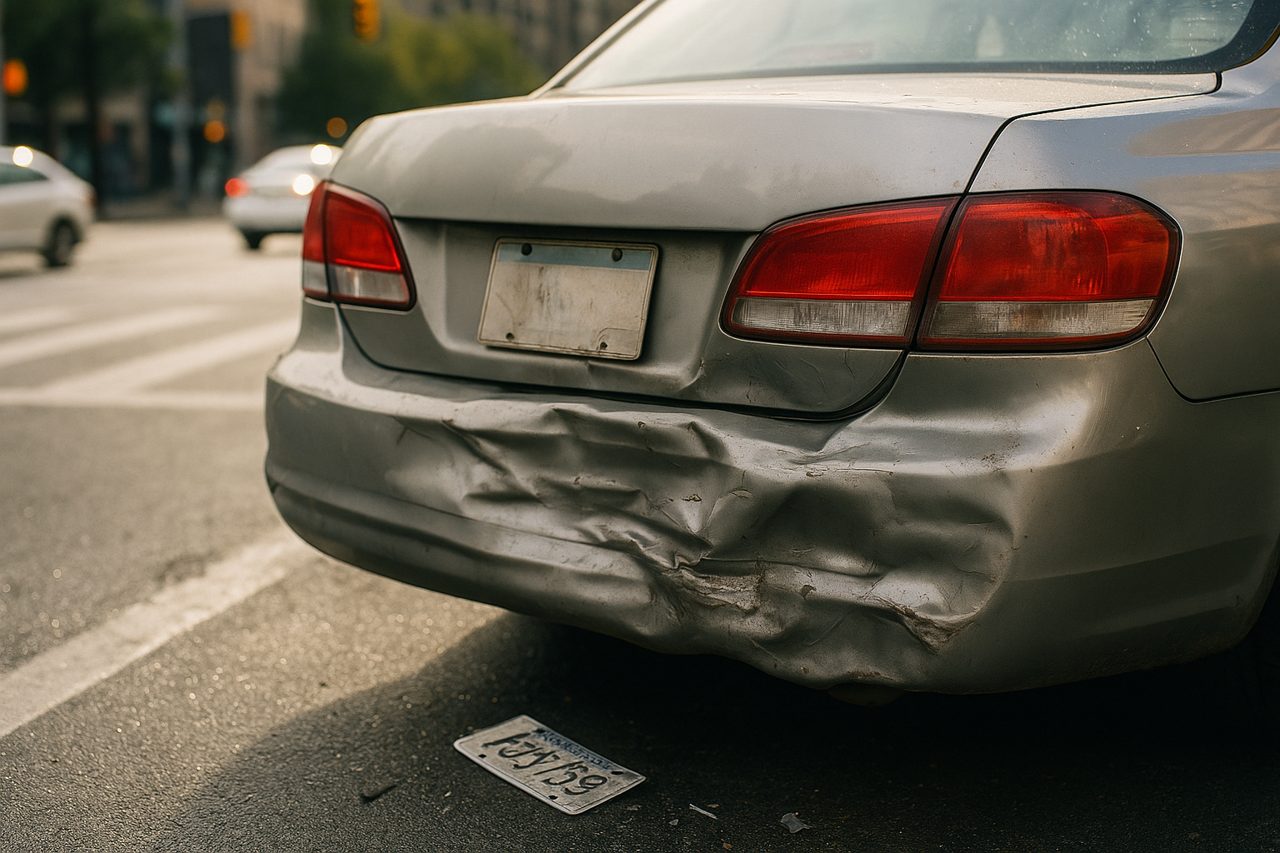
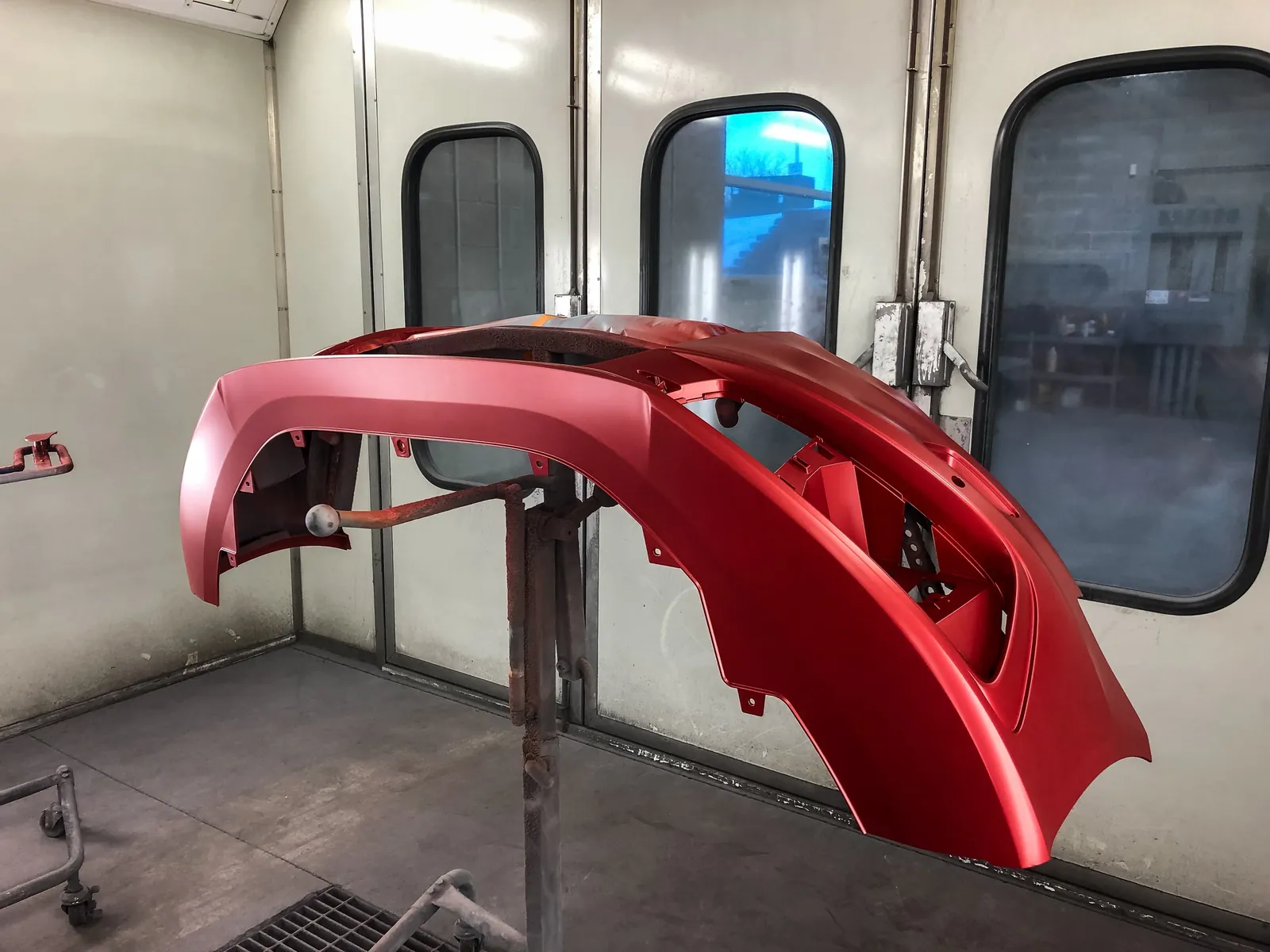
A scratched, dented, or cracked bumper can make a vehicle look worn, but visible damage does not always reveal the full extent of the problem. Even a minor collision can affect mounting brackets, impact absorbers, parking sensors, cameras, or other components hidden behind the bumper cover. Knowing when bumper damage needs repair helps you protect your vehicle, maintain its appearance, and avoid unnecessary expenses.
Some surface scratches and shallow dents may only require cosmetic attention. However, cracks, loose panels, deep dents, exposed materials, and malfunctioning safety features deserve a professional inspection. The right solution depends on the location and severity of the damage, the bumper material, and the condition of the components underneath.
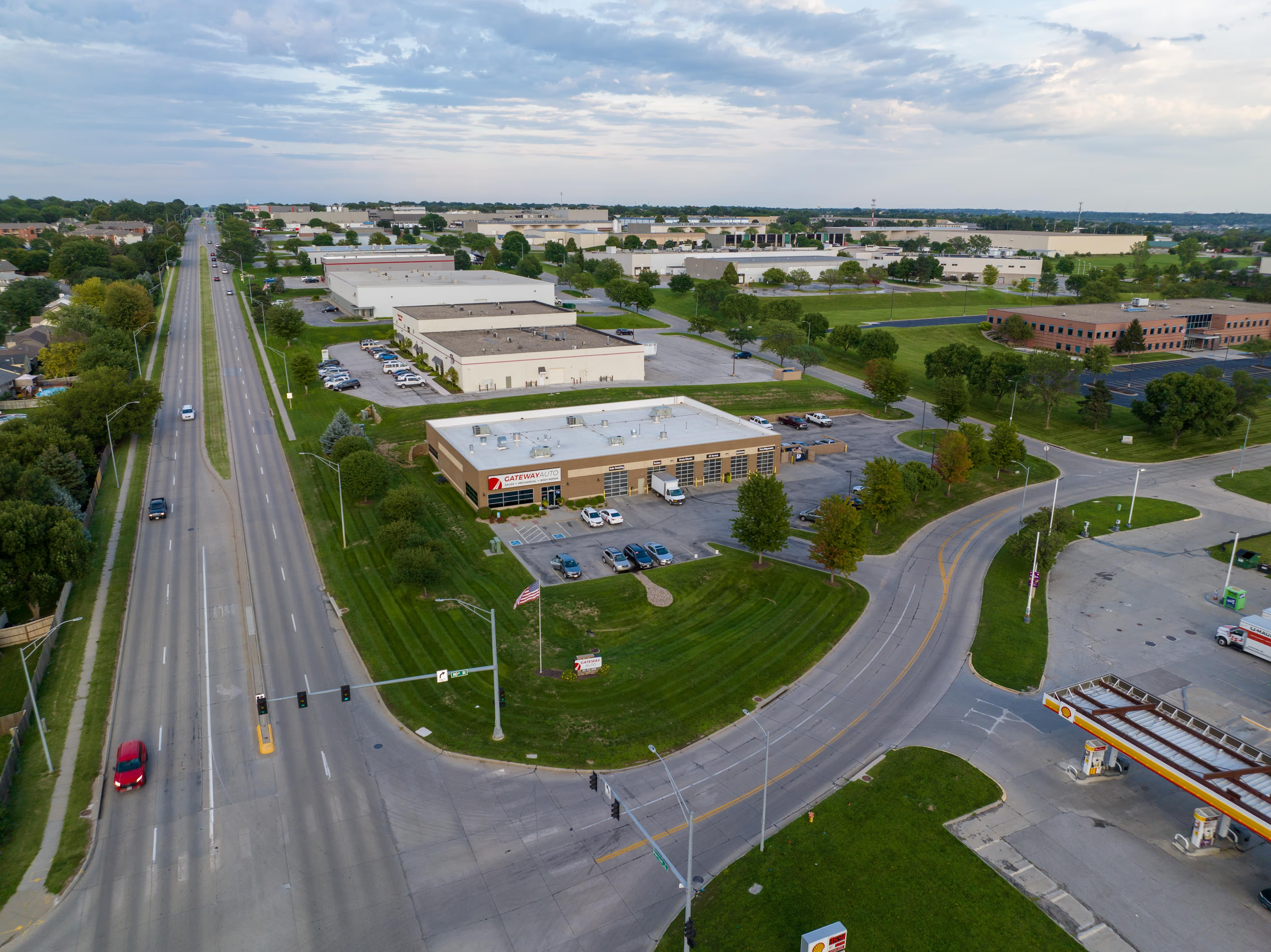
At Gateway Auto Sales in Omaha and La Vista, NE, drivers can access vehicle sales, financing options, and connected collision and service support. Understanding your repair options makes it easier to make informed decisions about your vehicle's condition and future maintenance.
Signs Your Bumper Needs Repair
Not every scratch or dent requires immediate professional attention. The first step is to identify the type of damage and determine whether it affects the bumper's structure, attachment, or functionality.
Minor cosmetic damage generally includes light scratches, paint transfer, small scuffs, and shallow dents. These issues may be repairable without replacing the entire bumper. If the cover remains securely attached, the surface is smooth, and all vehicle systems function normally, you may be able to schedule cosmetic work at a convenient time.
However, some warning signs indicate a need for prompt inspection:
- Visible cracks or splits: Cracks can spread over time, particularly when the bumper is exposed to vibration, temperature changes, or additional impacts.
- Deep dents or gouges: Significant deformation may indicate damage to the bumper material or components beneath it.
- Loose or sagging panels: A bumper that hangs unevenly, rattles, or pulls away from the vehicle may have broken clips, brackets, or mounting points.
- Exposed internal materials: Damaged covers can reveal foam absorbers or other underlying components that should remain protected.
- Warning lights or sensor problems: Parking assistance, collision alerts, cameras, and other driver-assistance features may be affected by an impact.
Metal bumpers also require attention when paint damage exposes bare metal. Moisture can cause corrosion, gradually weakening the affected area.
The location of the damage matters, too. A small crack near a mounting point may cause more trouble than a larger cosmetic scratch in an otherwise unaffected area. When the extent of the damage is uncertain, a professional inspection can help determine whether repair is acceptable or replacement is necessary.
When Is Bumper Repair Acceptable, and When Is Professional Repair Needed?
The bumper material and the extent of the damage influence the available repair options. Many modern vehicles use plastic bumper covers designed to absorb and distribute energy during certain impacts. Older vehicles and some models use metal bumpers or different construction methods.
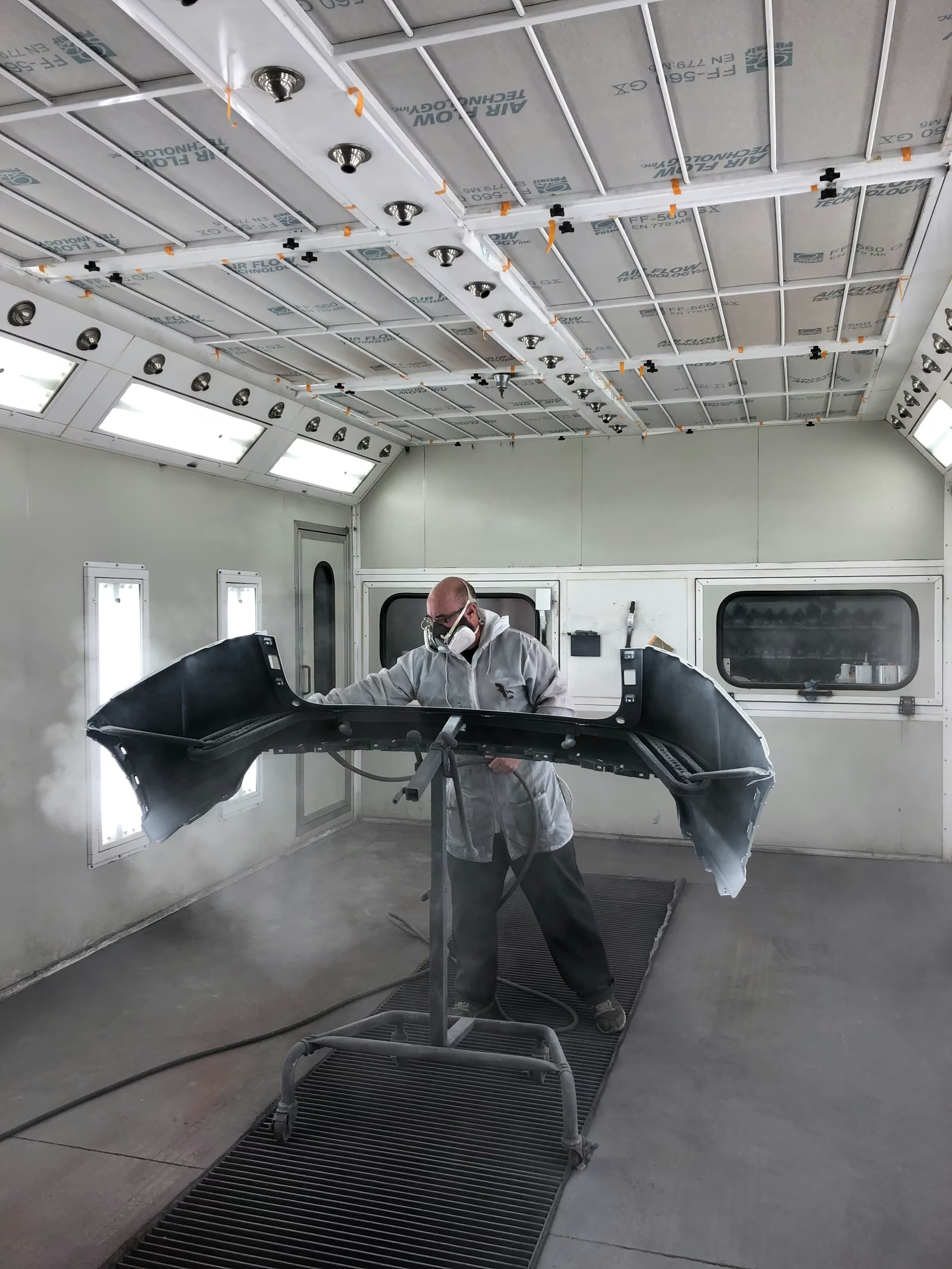
Plastic bumpers can often be repaired when damage is limited to a localized area. Depending on the condition of the material, a technician may use appropriate plastic repair methods, refinishing, and paint matching to restore the surface. Small cracks, shallow dents, and scratches may be suitable for this approach when the bumper remains structurally sound.
Replacement becomes more likely when the plastic is extensively cracked, badly torn, crushed, or warped. A severely damaged cover may not hold its original shape or attach securely, even after attempted repairs. The cost of labor and refinishing may also approach the cost of installing a replacement part.
Metal bumpers have different considerations. Minor dents may be repairable, depending on the metal, shape, and location. However, sharp bends, significant corrosion, or structural damage can limit the effectiveness of repairs.
A professional assessment helps identify the appropriate solution without replacing parts unnecessarily. The goal is to restore proper fit, appearance, and function while addressing any damage that could affect the vehicle's performance in a future impact.
Why Professional Bumper Repair Matters
A bumper is part of a larger system that includes mounting brackets, energy-absorbing materials, reinforcement components, and, on many newer vehicles, electronic equipment. A repair that focuses only on the visible surface may leave underlying problems unresolved.
Parking sensors, backup cameras, radar units, wiring, and other driver-assistance equipment can be positioned in or around the bumper. Even a low-speed collision may shift a sensor, damage a connector, or affect the alignment of equipment. A warning light, inaccurate parking alert, altered camera view, or unexpected driver-assistance behavior after an impact should prompt an inspection.
Professional repair can address several areas:
- Hidden component inspection: Technicians can check mounting brackets, absorbers, reinforcement bars, wiring, and adjacent body panels.
- Proper bumper alignment: Correct positioning helps prevent gaps, rattling, loose panels, and poor fit.
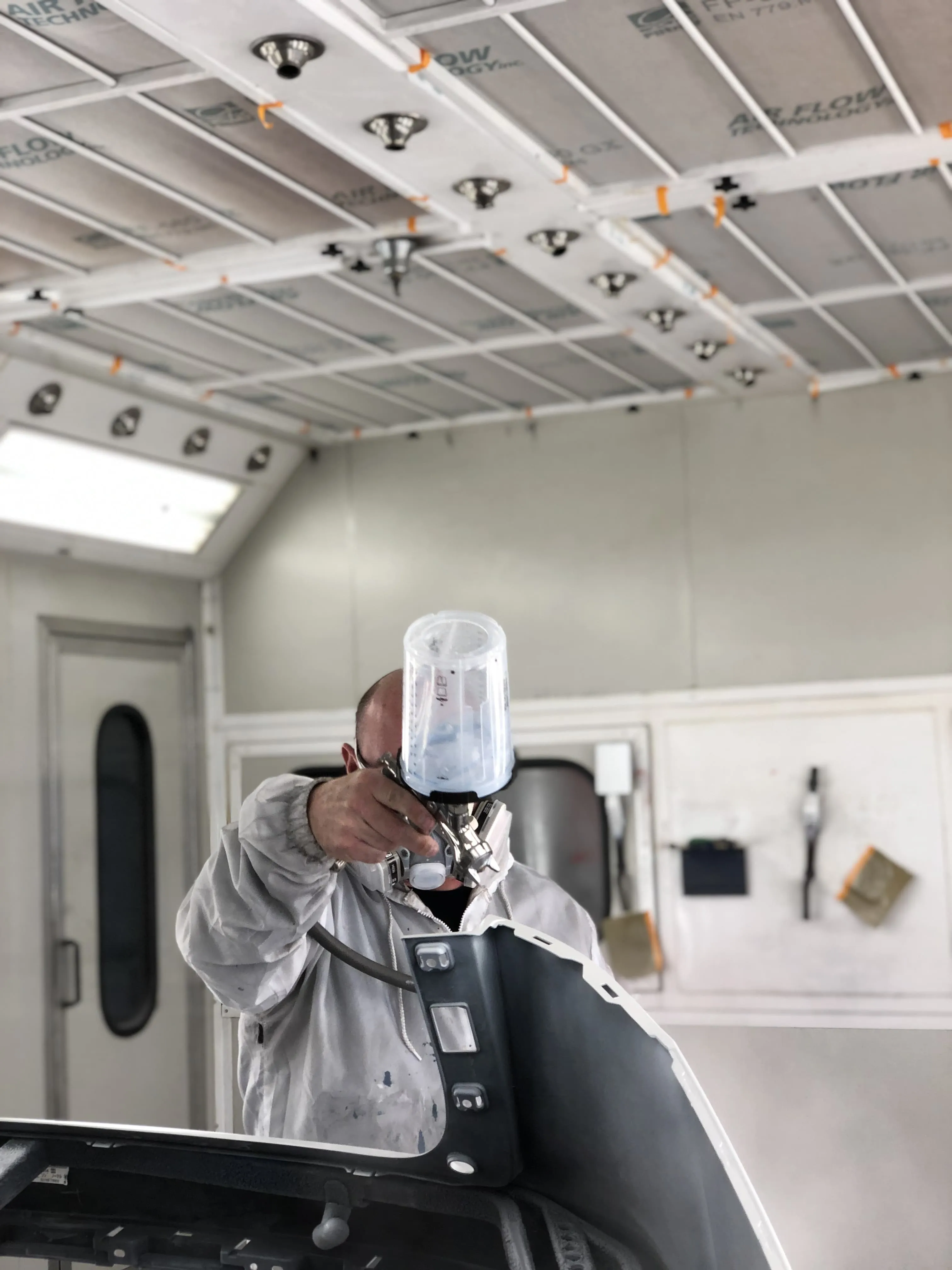
- Surface restoration: Appropriate preparation, refinishing, and paint matching can restore the vehicle's appearance.
- Sensor and camera evaluation: Electronic systems can be checked to determine whether repairs, adjustments, or calibration are needed.
- Repair planning: An inspection can establish whether the existing bumper can be repaired or whether replacement is more practical.
Some vehicles require specialized calibration procedures after collision repairs. A clear camera image or a dashboard without warning lights does not necessarily confirm that every driver-assistance system is functioning correctly. Technicians should follow the procedures specified for the vehicle.
Attempting to secure a damaged bumper with temporary fasteners or adhesive may not address broken mounting points or hidden structural issues. It can also leave the panel vulnerable to further damage. Professional repair provides a clearer understanding of the condition of the entire assembly.
Gateway Auto's connected service and collision support can help Omaha drivers evaluate vehicle damage and understand the available repair options. An inspection and clear estimate can make the process easier to manage, whether the damage is cosmetic or requires more extensive work.
Bumper Repair Costs and Insurance Considerations
The cost of bumper repair depends on the vehicle's make and model, the type of material, the location of the damage, labor requirements, and the parts involved. A minor scratch may require only touch-up paint or localized refinishing, while a cracked bumper with damaged sensors can involve several repair procedures.
As a general estimate, minor bumper repairs may cost a few hundred dollars. More extensive repairs or replacement can range from approximately $1,000 to $2,500 or higher. These figures are broad estimates rather than fixed prices. Luxury vehicles, specialized parts, complex paint finishes, and advanced electronic systems can increase the total.
Several factors influence the estimate:
- Damage severity: A small scuff usually requires less work than a deep crack or crushed bumper.
- Replacement parts: The cost of an original equipment manufacturer part, aftermarket component, or used part can vary.
- Paint and refinishing: Matching the vehicle's color and blending paint with nearby panels can add labor and material costs.
- Electronic systems: Sensor replacement, camera alignment, and calibration may increase the bill.
- Hidden damage: Broken brackets, absorbers, reinforcement bars, and adjacent panels can add unexpected work.
Before approving repairs, request an itemized estimate that separates labor, parts, paint, calibration, and any additional work identified during inspection. Ask the repair facility to explain any changes to the original estimate if hidden damage is discovered.
Insurance may cover bumper repairs when the damage results from a covered accident. However, coverage depends on the policy, the circumstances of the collision, the deductible, and any applicable exclusions. If another driver is responsible, their insurance may be involved in the claim.
Consider the deductible before filing a claim for minor damage. If the repair estimate is close to or below the deductible, paying out of pocket may be a practical option. For larger repairs, contacting your insurer and reviewing the coverage terms can help clarify the available choices.
Keep photographs, repair estimates, accident information, and relevant receipts. These records can support an insurance claim and help document the vehicle's condition.
What to Do After a Bumper Impact
Even a low-speed collision deserves attention. A bumper can look intact while hidden components have shifted or sustained damage. Taking a few practical steps after an impact can help protect everyone involved and make repairs easier.
Start by checking for injuries and, when it's safe, move away from traffic. Turn on your hazard lights and inspect the vehicle for obvious problems. Look for fluid leaks, loose panels, damaged lights, unusual noises, or warning indicators. If the bumper is dragging, a wheel appears damaged, or the vehicle shows signs of a serious mechanical problem, avoid driving and arrange appropriate assistance.
After addressing immediate safety concerns, follow these steps:
- Document the damage. Take clear photographs of the affected bumper, nearby body panels, the scene, and any other vehicles involved.
- Exchange information. Collect contact and insurance details from other drivers when applicable.
- Record relevant details. Note the time, location, and circumstances of the incident. Obtain a police report when required or appropriate.
- Contact your insurer. Report the incident promptly if you intend to file a claim, and ask about the inspection and repair process.
- Arrange an inspection. Have the bumper and related components checked, especially if you notice cracks, poor alignment, sensor issues, or other unusual behavior.
- Review the estimate. Confirm the recommended work, expected costs, parts, and any calibration procedures before authorizing repairs.
- Keep your records. Save estimates, receipts, photographs, and insurance correspondence for future reference.
Do not ignore a bumper that has become loose or unstable. Continued driving may cause the panel to detach or create additional damage. If the impact affects lights, sensors, or other vehicle systems, arrange an inspection before relying on those features.
For Omaha and La Vista drivers, Gateway Auto provides access to vehicle services and connected collision support that can help simplify the next steps. Whether your vehicle needs a small cosmetic repair or a larger repair plan, understanding the condition of the bumper helps you make a more informed decision.
Protect Your Vehicle With the Right Repair Decision
Deciding when bumper damage needs repair comes down to understanding the difference between cosmetic marks and problems that affect attachment, underlying components, or electronic systems. Light scratches and shallow dents may need only minor attention, while cracks, deep deformation, loose panels, and sensor problems call for professional evaluation. Extensive damage may make replacement the more practical option.
Addressing damage early can help prevent small problems from developing into larger repair concerns. It also gives you a clearer picture of the vehicle's condition when planning maintenance, considering resale, or managing an insurance claim.
Gateway Auto Sales offers Omaha and La Vista drivers clean-title used vehicles, flexible financing options, and access to connected service and collision support through the broader Gateway Auto family. If your vehicle has sustained bumper damage, start with an inspection and a clear estimate so you can understand the available options.
Contact Gateway Auto to learn more about vehicle services and collision support, or visit Gateway Auto Sales in Omaha and La Vista, NE, to discuss your automotive needs.