


Frame vs. unibody: what actually gets repaired
Most cars, crossovers and SUVs today have a unibody, where the body and frame are a single welded structure. Pickups and some larger SUVs use body-on-frame construction, with a separate frame underneath. Either way, the structure is engineered to hold the suspension, steering and doors in exact positions and to absorb energy in a crash.
When a collision moves that structure, even slightly, everything mounted to it moves too. Doors stop closing cleanly, panel gaps go uneven, and the wheels no longer point where they should. Some damage is obvious. A lot of it is not, which is why structural damage is measured rather than eyeballed.
Frame repair is not a separate trip to a separate shop. It is part of collision repair, done before any body or paint work, because every panel that goes back on depends on the structure being right.
Signs your car may have frame damage
Any of these after a collision is a reason to have the structure measured:
- Doors, hood or trunk do not close like they used to
- Panel gaps are wider on one side than the other
- The car pulls, or an alignment will not hold
- Tires are wearing unevenly
- New creaks, squeaks or rattles over bumps
- Visible kinks or wrinkles underneath the car
None of these prove frame damage on their own, but together they are worth a free inspection before you put more miles on the car.
How we repair frame and structural damage
Structural repair follows the vehicle manufacturer's published repair procedures, step by step.
- Inspect and measure. The vehicle is measured against the manufacturer's factory dimensions to find exactly what moved and how far.
- Plan the repair. The repair plan follows the manufacturer's procedures for that model, including which parts can be straightened and which must be replaced.
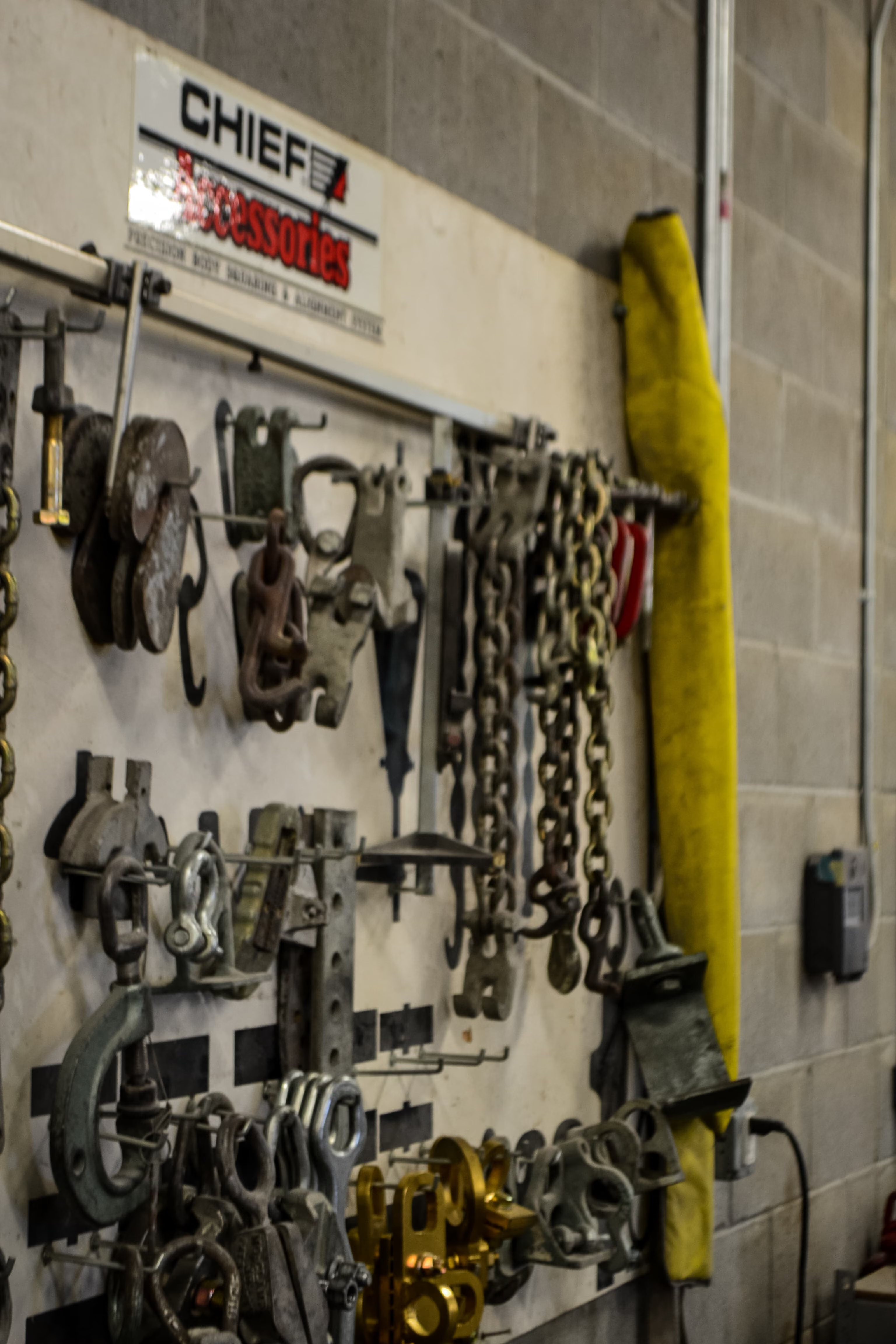
- Straighten. The structure is pulled back into position in controlled stages, checking measurements as the work progresses.
- Replace what cannot be straightened. Sections that are kinked or over-stressed are replaced and joined the way the manufacturer specifies.
- Measure again. The structure is measured a final time to confirm it is back within factory specifications.
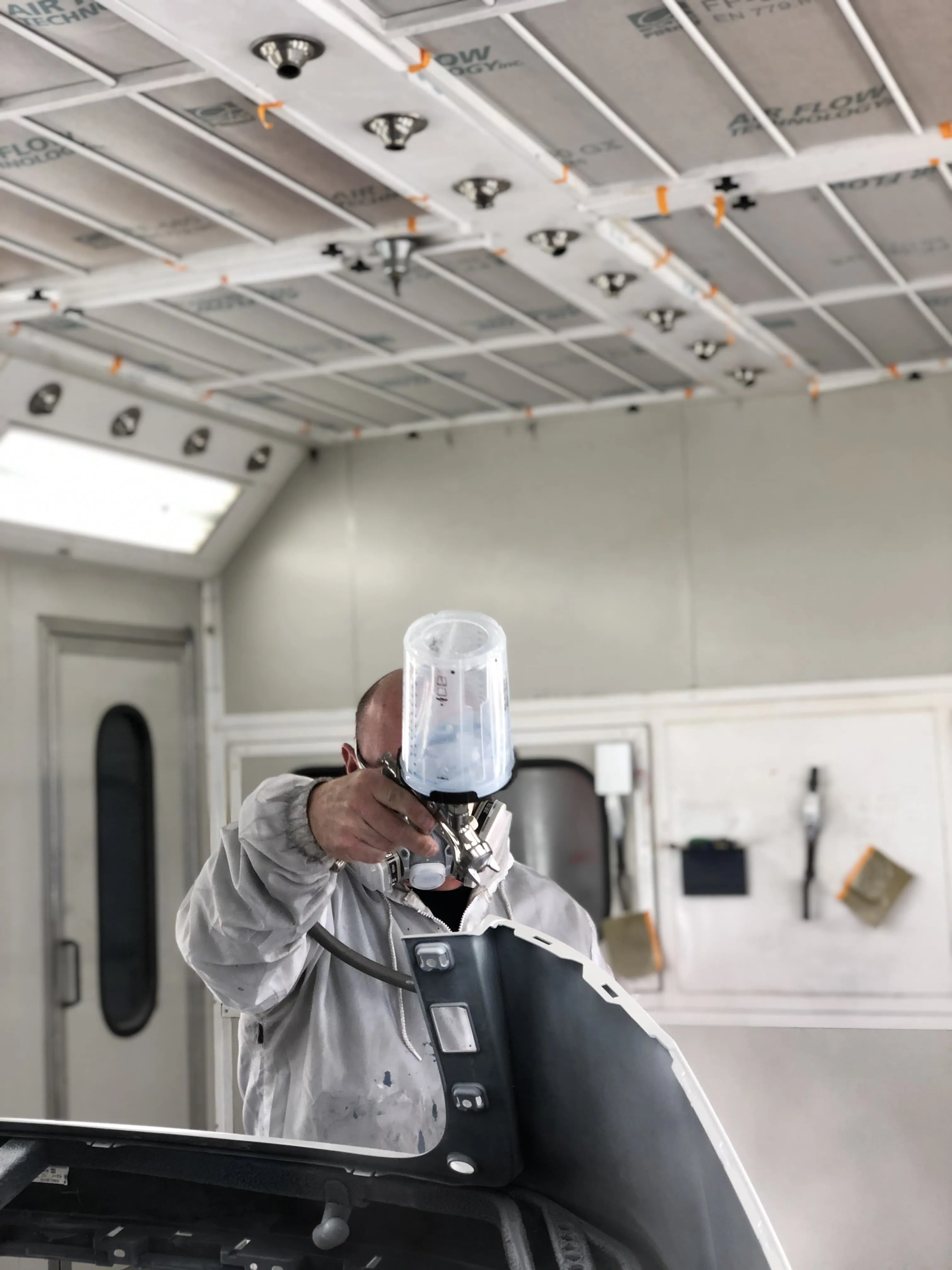
- Finish the repair. Body panels and paint go back on, followed by a wheel alignment and any required sensor calibration before the car is returned.
Insurance, total loss and timing
Frame damage does not automatically make a car a total loss. Your insurer declares a total loss when the cost of repair passes a set share of the vehicle's value, and that depends on the car's age and value as much as the damage. Many cars with structural damage are repaired and returned to the road.
Structural damage is also where hidden damage shows up most. Once panels come off, we document anything the first estimate missed and send it to your insurer before it is repaired, so you are not surprised by the final bill. We work with every insurance company. Read more about the collision repair insurance process.
Frame repair takes longer than cosmetic work because of the measuring, parts and paint involved. You get a timeline after the inspection, Enterprise rentals are available on site, and every repair is covered by our lifetime warranty on body labor for as long as you own the vehicle.
Body labor and paint are guaranteed against defects in workmanship for as long as you own the vehicle.

Questions & answers
Is frame damage a total loss?
Usually not. Most frame and unibody damage can be measured and straightened back to factory specifications. A car is declared a total loss when the repair cost passes a set share of its value, and your insurer makes that decision.
Is a car safe to drive after frame repair?
When the repair follows the manufacturer's procedures and the structure is measured back within factory specifications, yes. That final measurement is the step that confirms it.
How do you know the frame is straight again?
The vehicle is measured against the manufacturer's factory dimensions before the repair, during it and after it. The repair is not finished until the measurements match.
Can you drive a car with frame damage?
It is not recommended. A shifted structure can affect steering, braking and how the car protects you in another crash. If the car pulls or doors do not close properly, have it inspected before driving it further.
How long does frame repair take?
It depends on how much of the structure moved, which parts need replacing, and how much body and paint work follows. You get a timeline after the inspection.
Do I need an appointment for a frame damage inspection?
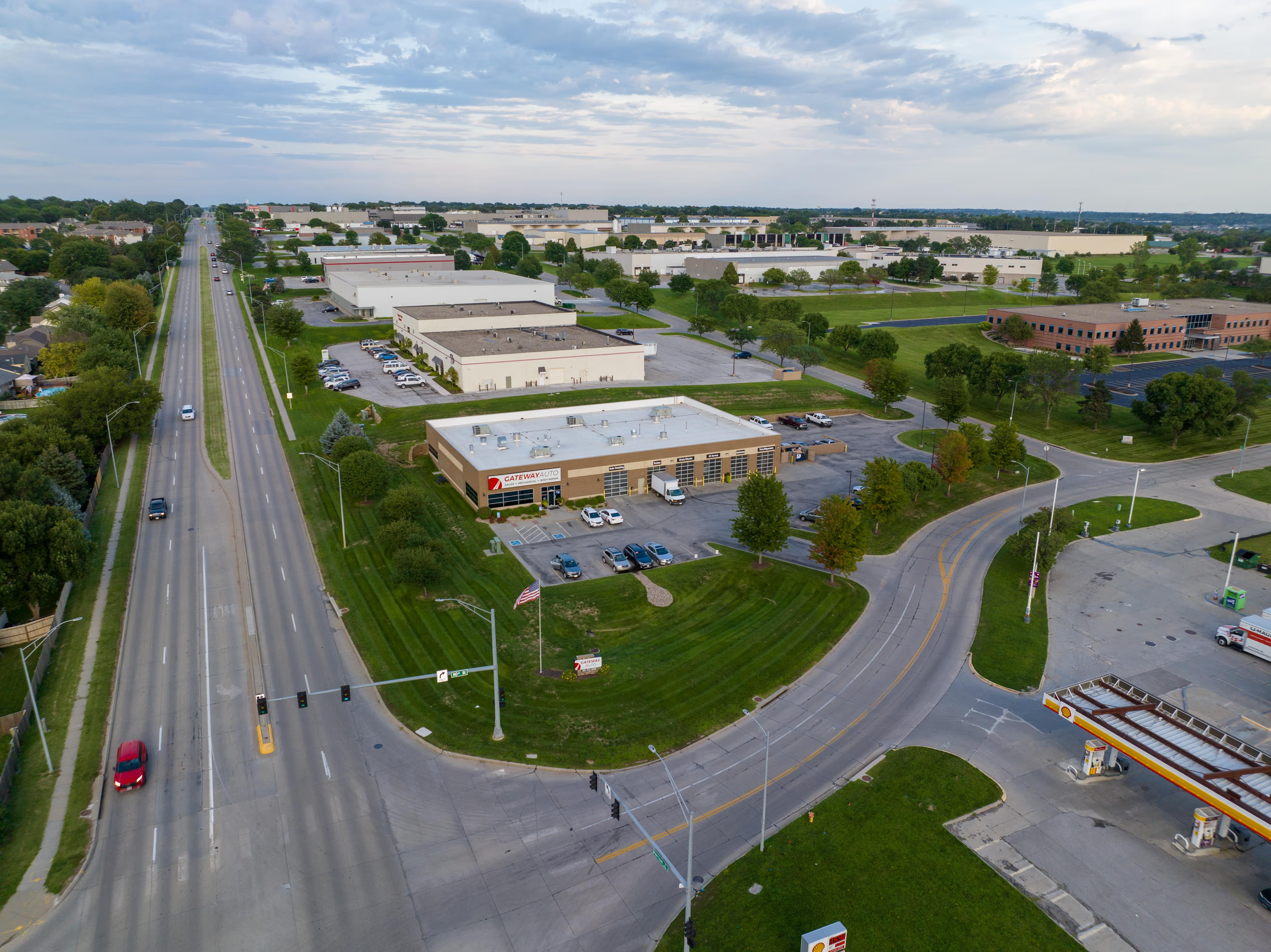
No. Collision estimates are free and walk-in at 10939 Harrison St in La Vista. If the car is not safe to drive, we work with Arrow Towing to bring it in.



